
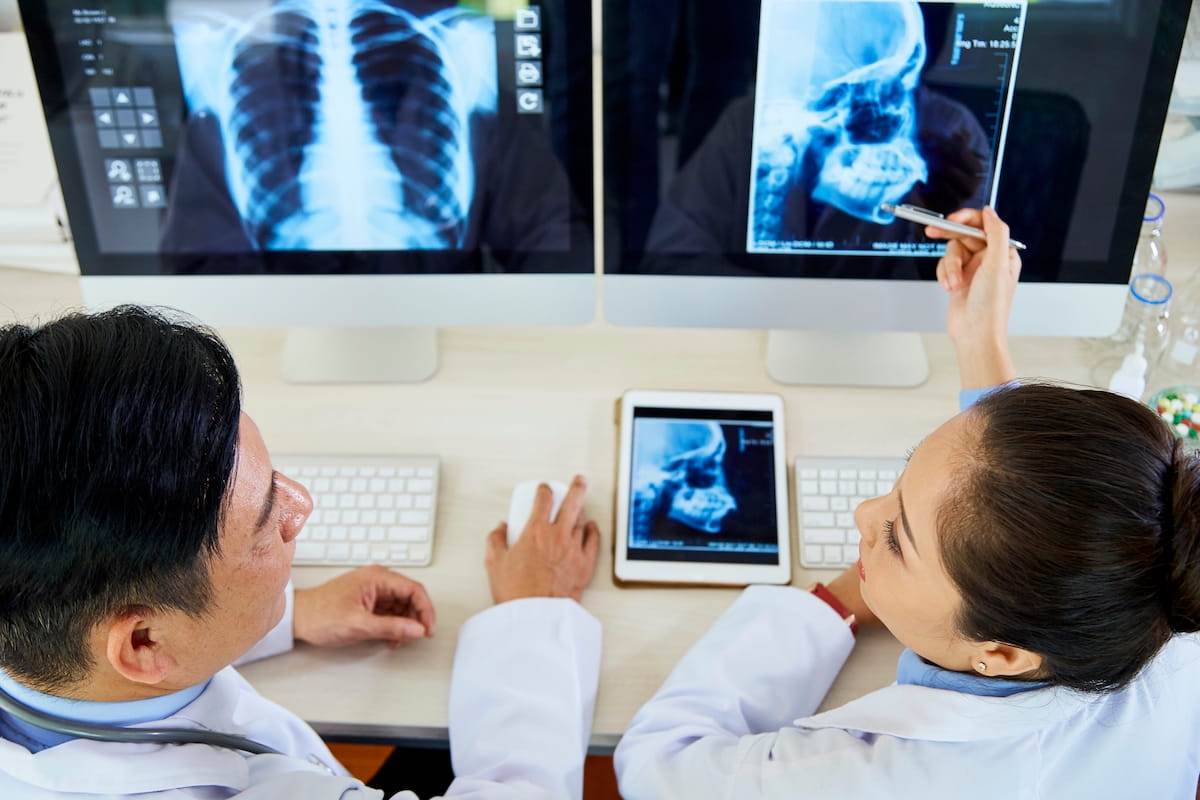
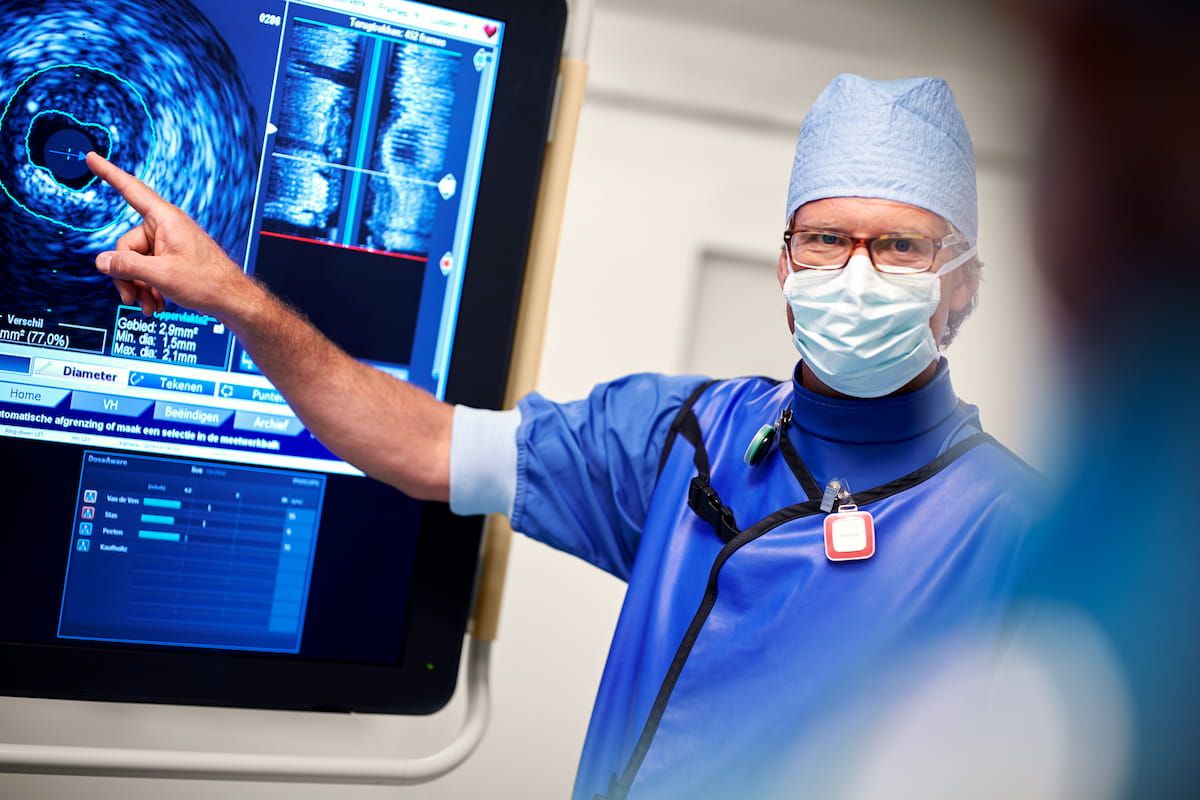
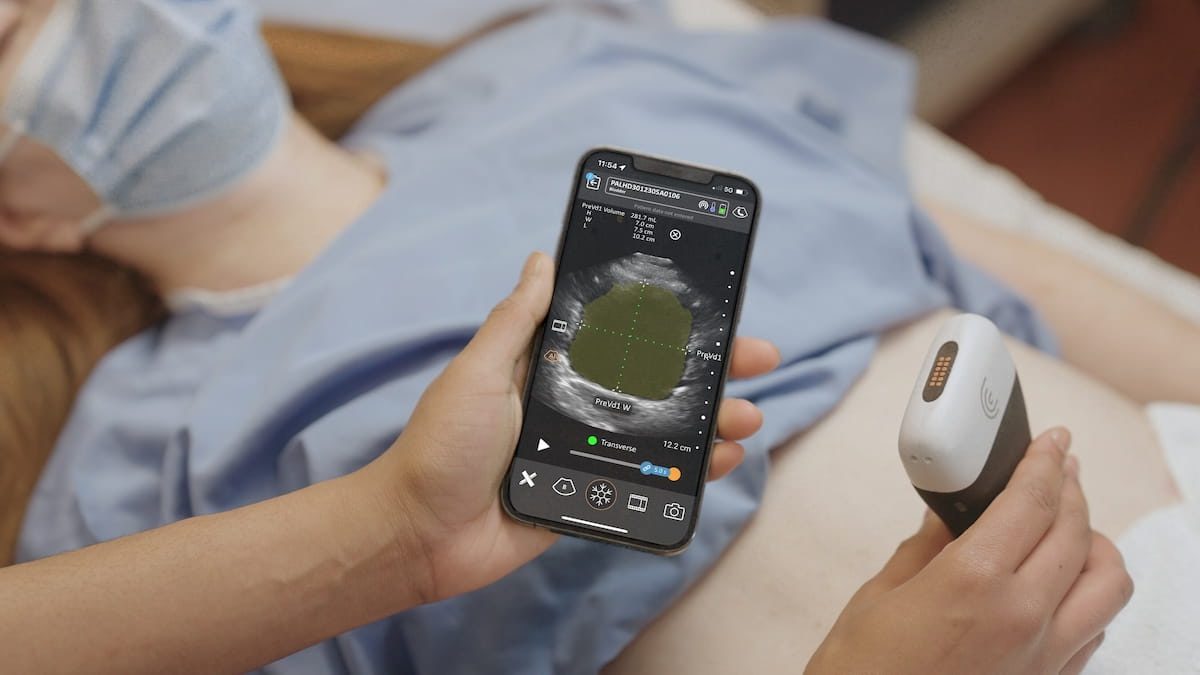






Catch up on the top radiology content of the past week.
Catch up on the top radiology content of the past week.
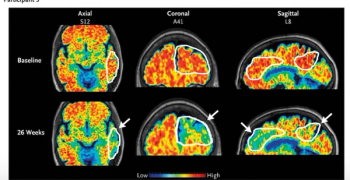
In a recent proof-of-concept trial assessing the combination of aducanumab infusion with MRI-guided focused ultrasound to open the blood-brain barrier, researchers found significant reductions in amyloid-beta load at 26 weeks in patients with Alzheimer’s disease.
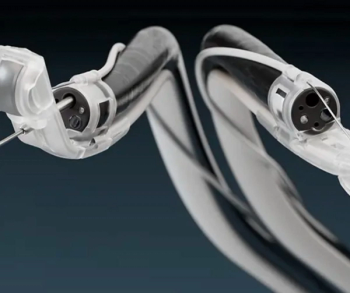
The EndoSound Vision System reportedly enables providers to convert existing upper gastrointestinal endoscopes into endoscopic ultrasound modalities.
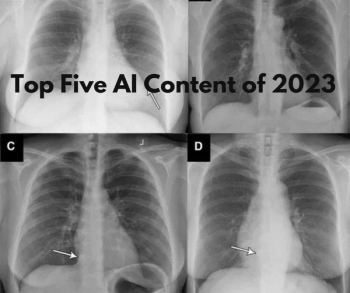
Catch up on the most viewed content on AI in radiology from 2023.
Catch up on the top AI-related news and research in radiology over the past month.
Catch up on the most well-read Eric Postal, M.D.-penned blogs from 2023.
Catch up on the top radiology content of the past week.
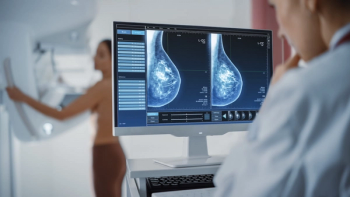
In a study examining the potential of the large language models ChatGPT-4 and Bard to follow ACR Appropriateness Criteria for breast cancer, lung cancer, ovarian cancer and colorectal cancer screening, researchers noted “impressive accuracy in making radiologic clinical decisions.”
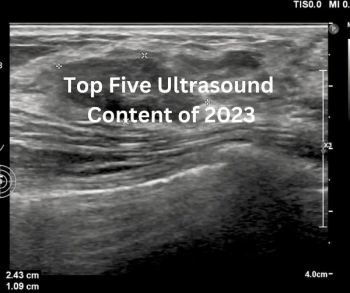
Catch up on the most well-read ultrasound articles from 2023.
Catch up on the top radiology content of the past week.
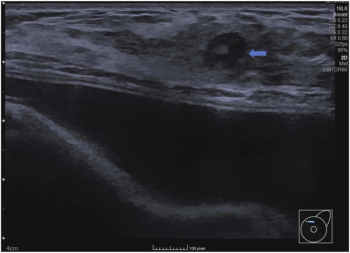
Emerging research suggests that stand-alone artificial intelligence (AI) assessment of breast ultrasound exams could eliminate over 45 percent of unnecessary follow-up exams.
Catch up on the top radiology content of the past week.
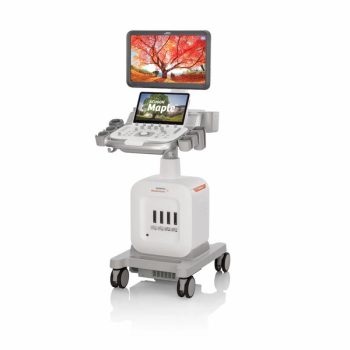
Providing 25 features to facilitate optimal workflow and user effectiveness, the portable Acuson Maple ultrasound can reportedly be utilized in a variety of clinical settings.
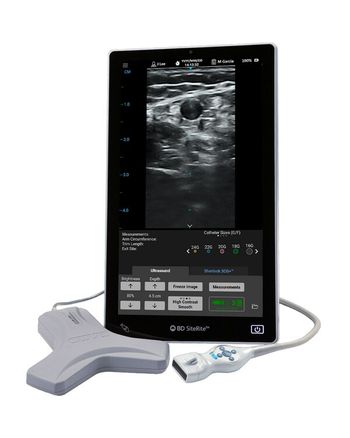
Offering a variety of integrated visualization tools, the SiteRite 9 Ultrasound System reportedly enables the insertion of vascular access devices regardless of user experience level.
Dr. Kottler sat down with Diagnostic Imaging at RSNA 2023 to discuss AI imaging milestones and the potential impact of AI on workflows in radiology.
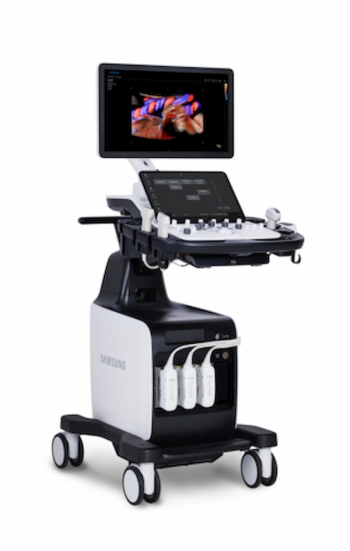
Combining enhanced imaging capabilities, workflow efficiencies and artificial intelligence (AI)-enabled technology to improve the diagnosis and management of health conditions in women, Samsung has launched the V6 ultrasound system.
Catch up on the top radiology content of the past week.
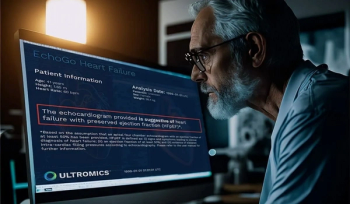
Reimbursement for use of the artificial intelligence (AI)-powered EchoGo Heart Failure platform in hospital outpatient settings for Medicare and Medicaid patients is expected to increase from $99.81 to $284.88 in 2024.

Ultrasound and MRI findings from a new study suggest that greater carotid atherosclerosis and elevated white matter hyperintensities among women with the APOEe4 genotype, a strong risk factor for Alzheimer’s disease, are associated with increased PTSD symptoms in midlife women.
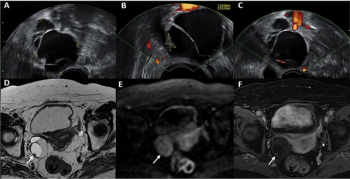
New research shows that pelvic MRI offers equivalent sensitivity but nearly 20 percent greater specificity than transvaginal ultrasound for the classification of adnexal lesions.
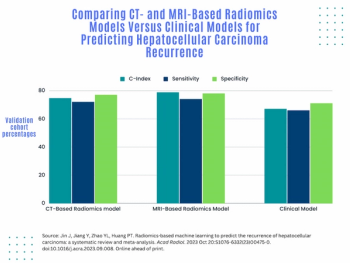
A 49-study meta-analysis revealed that MRI-based and CT-based radiomics models outperformed clinical models for predicting recurrence of hepatocellular carcinoma.
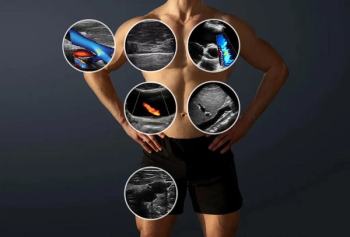
Combining phased and linear arrays on a single head, the Clarius PAL HD3 ultrasound device was unveiled at the recent American College of Emergency Physicians (ACEP) Scientific Assembly conference.
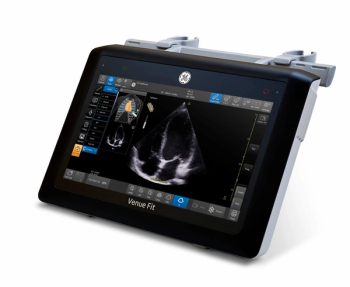
Geared to clinicians who may lack ultrasound expertise, the artificial intelligence (AI)-powered Caption Guidance technology reportedly provides stepwise instruction for acquiring optimal cardiac ultrasound images.
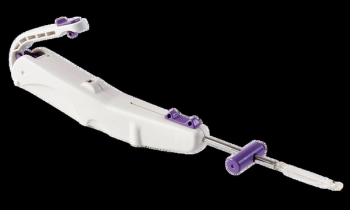
In a study of over 500 people with carpal tunnel syndrome, researchers found that 57 percent returned to work three days after being treated with UltraGuideCTR, a modality which enables real-time ultrasound guidance for carpal tunnel release.
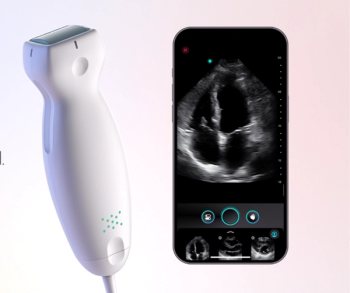
The Exo Iris reportedly combines advanced silicon technology with imaging, workflow software and artificial intelligence (AI) to facilitate multidisciplinary use of point-of-care ultrasound.