

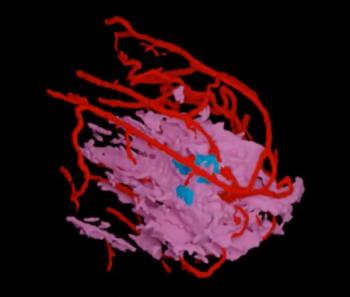
Assessing breast MRI scans, pathology and clinical data, the AI-powered TumorSight Risk software reportedly provides five- and 10-year risk for breast cancer recurrence for women with HR+, HER2-negative stage I-IIIA breast cancer.
Assessing breast MRI scans, pathology and clinical data, the AI-powered TumorSight Risk software reportedly provides five- and 10-year risk for breast cancer recurrence for women with HR+, HER2-negative stage I-IIIA breast cancer.
In the latest episode of her Breast Imaging in Focus series, Manisha Bahl, MD, MPH, FSBI, discusses new research comparing mammography-based AI models for breast cancer detection and short-term risk prediction.
In a recent episode of our Molecular Imaging in Focus series, Jack Andrews, MD, discussed pertinent findings from a recent intra-patient comparative study of PSMA PET agents in men with recurrent prostate cancer presented at the recent ASTRO conference.
Catch up on the top radiology content of the past week.
In a recent interview, Amir Iravani, MD, FRACP, discussed the radiotherapeutic agent 177Lu-edotreotide and new dosimetry data from the COMPETE trial that was recently presented at the ASTRO conference.
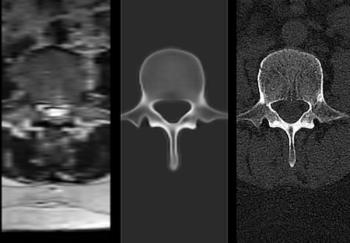
The cloud-based NextMR platform reportedly provides automated 3D bone images of conventional spine MRI images in less than 60 seconds.
In the latest episode of his “Interventional Radiology in Focus” series, Mina Makary, MD, discusses the utility of prostatic artery embolization for treating benign prostatic hyperplasia, key imaging considerations and pertinent technique pearls to help facilitate optimal outcomes.
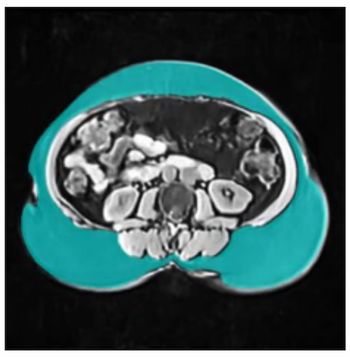
The AI-powered SwiftSight Body Composition software reportedly provides automated quantification of muscle and adipose tissue after a brief MRI scan.
Catch up on the top radiology content of the past week.
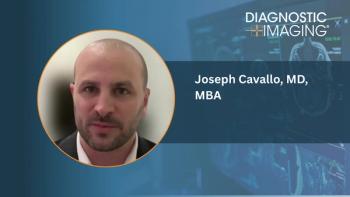
In a recent interview with Diagnostic Imaging, Joseph Cavallo, MD, MBA, offered insights on post-deployment monitoring with AI, the potential for improved workflow efficiency and the ongoing challenge of balancing essential clinical skills and AI literacy in the training of radiology residents and fellows.
Catch up on the top radiology content of the past week.

In a recent interview, Shadpour Demehri, MD, discussed new research examining connections between deep learning assessment of bone mineral density on chest CT, brain MRI data and the potential for enhanced risk stratification in patients with diabetes.
Offering telescoping and high-flow configurations, the TriNav Advance device reportedly provides interventional radiologists with improved access to small distal vessels during liver embolization procedures.
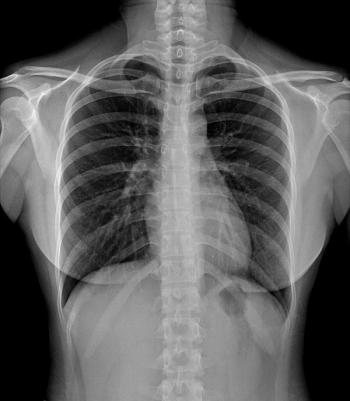
The CARE Chest X-Ray (CXR) Triage software reportedly bolsters consistent flagging of suspicious chest X-rays for lung collapse and pneumomediastinum across reviewing readers of different experience levels.
Indicated for the treatment of foregut, midgut and hindgut neuroendocrine tumors, the radiopharmaceutical Bravnetsa is reportedly bioequivalent and therapeutically equivalent to the previously FDA-approved Lutathera.
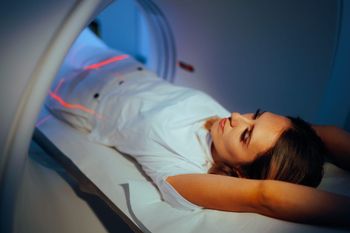
Newly cleared findings for the adjunctive AI platform a2z-Abdo-Triage include acute appendicitis, renal traumatic injury, ureteral stone and retroperitoneal hematoma.
Catch up on the top radiology content of the past week.
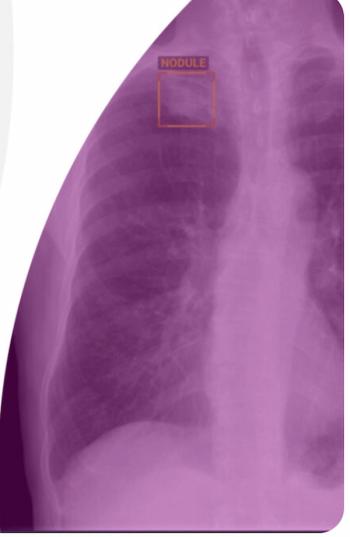
Reportedly one of the first FDA-cleared chest X-ray AI software platforms derived from a foundation model, the Chest Xray software facilitates detection and localization of lung nodules, pneumothorax, mediastinal abnormalities and other thoracic abnormalities.
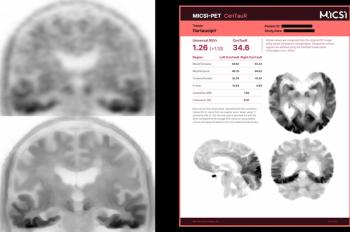
Incorporating structural MRI to improve PET imaging resolution, the MICSI-PET software also offers automated Centiloid quantification from amyloid PET scans.
In the latest episode of her “Breast Imaging in Focus” series, Manisha Bahl, MD, MPH, FSBI, offer pertinent takeaways for breast radiologists from recently issued guidelines for addressing proliferative breast lesions with atypia and lobular carcinoma in situ (LCIS).

In the second of a two-part interview, Kalpana Kanal, PhD, and Mahadevappa Mahesh, MS, PhD, FAPPM, FACR, discussed future directions for research on CT radiation dosing, including the potential of indication-specific diagnostic reference levels (DRLs).
In a recent episode of our Molecular Imaging in Focus series, Thomas Hope, MD, discussed challenges with conventional imaging for gliomas and the potential of the newly FDA-approved PET agent floretyrosine F18 (18F-FET) for differentiating between glioma progression and treatment-related effects.
Catch up on the top radiology content of the past week.
In a recent interview, Stamatia Destounis, MD, FACR, shared her perspective on recent changes to the BI-RADS system, offering insights on contrast-enhanced mammography, reporting changes for breast MRI and ultrasound, and the importance of auditing for BI-RADS category 3 assessments.
Catch up on the top radiology content of the past week.

In the first of a two-part interview, Kalpana Kanal, PhD, and Mahadevappa Mahesh, MS, PhD, FAPPM, FACR, discussed recently published research showing significant declines in computed tomography (CT) radiation dosing over the past decade.
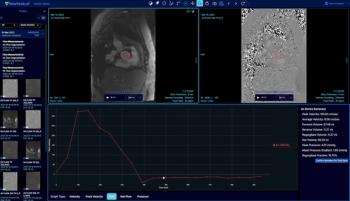
Offering ease of integration into existing radiology workflows, the AI-enabled Heartvue.Proton software emphasizes time savings with automation of common measurements for cardiac MRI.
In a recent episode of our Molecular Imaging in Focus series, Sharmila Dorbala, MD, MPH, discusses phase 3 study findings on the use of the PET/CT radiotracer 124I- evuzamatide for overall detection of cardiac amyloidosis as well as the subtypes light-chain amyloidosis (AL) and transthyretin amyloidosis (ATTR) cardiac amyloidosis.
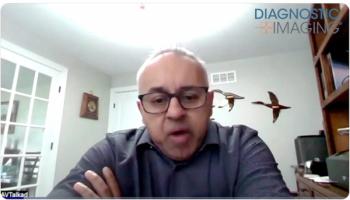
In a recent interview, Arun Talkad, MD, discussed the use of AI-powered enterprise imaging to facilitate recently expanded acute stroke care guidelines from the American Heart Association and the American Stroke Association.
Catch up on the top radiology content of the past week.