
Catch up on the top radiology content of the past week.
Catch up on the top radiology content of the past week.
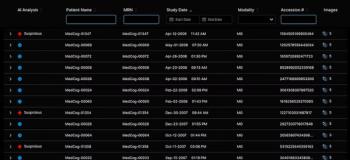
Flagging DBT images that may warrant a more expedited review, the CogNet AI-MT+ platform can reportedly be integrated into existing IT systems to facilitate workflow efficiencies for radiologists.
In a recent interview from the International Stroke Conference, Jeremy Heit, M.D., Ph.D., discussed new research suggesting that AI may offer better assessment than neuroradiologists of aneurysm growth on computed tomography or magnetic resonance angiography scans.
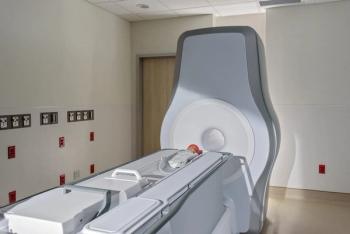
The Ascent3T Neonatal Magnetic Resonance Imaging System is reportedly the first high-field 3T system geared to neonatal applications.
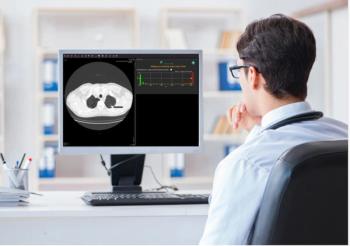
The CT-based RevealAI-Lung software reportedly offers a Malignancy Similarity Index score to facilitate evaluation of incidental lung nodules.

The Brainomix 360 Stroke Next Generation software reportedly includes automated assessment of net water uptake (NWU), a CT-based biomarker that may improve risk stratification for patients with severe strokes.
In a recent interview, Amy Patel, M.D., discussed key targets in legislation for breast imaging in 2026 and offered advice for breast radiologists seeking to get more involved in advocacy.
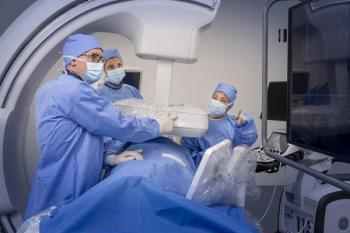
The Allia Moveo C-arm platform reportedly offers ergonomic maneuverability, enhanced artifact reduction and flexibility with the use of cone-beam CT.
Catch up on the top radiology content of the past week.
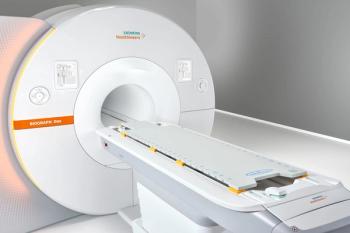
The Biograph One PET/MRI system may facilitate accelerated scan times, improved visualization and more efficient assessments of theranostic approaches for patients with oncologic and neurological diseases.
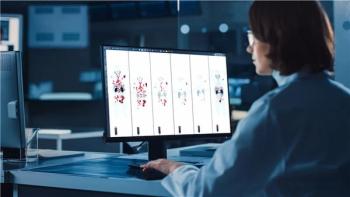
Employing AI-powered automation, the MIM LesionID™ Pro reportedly bolsters the efficiency of whole-body tumor burden analysis with PSMA PET/CT and SPECT/CT.
Catch up on the top radiology content of the past week.
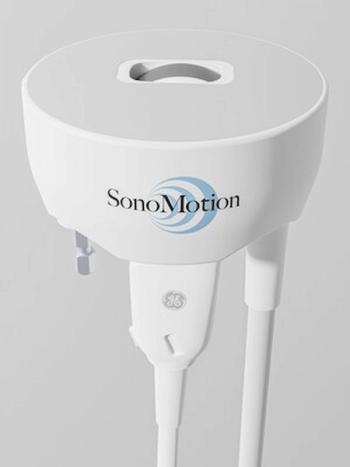
Employing low pressure ultrasound treatment to break up kidney stones, the Break Wave lithotripsy device offers a non-invasive, anesthesia-free alternative
In recent interviews, Rajesh Bhayana, M.D., Manisha Bahl, M.D., and Jeremie Calais, M.D., Ph.D., shared their thoughts on agentic AI, key directions in breast imaging research and emerging trends with prostate cancer theranostics in 2026.
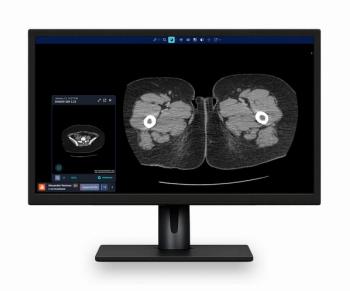
Geared toward facilitating earlier detection and efficiencies in emergency department workflow, the AI triage software reportedly has 11 newly cleared indications.
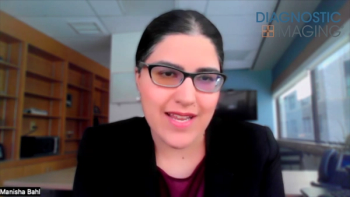
In a recent interview, Manisha Bahl, M.D., discussed recent research demonstrating a significant decline in the sensitivity of digital breast tomosynthesis (DBT) with increasing breast density as well as challenges in the utilization of supplemental imaging for women with dense breasts.
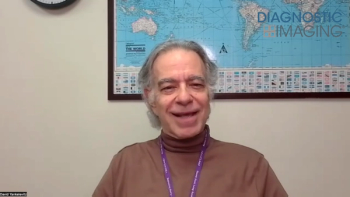
In a recent interview, David Yankelevitz, M.D., discussed the recent FDA clearance of the AI-CVD multisystem screening software and the ongoing evolution of incorporating computed tomography into personalized screening and risk assessments.
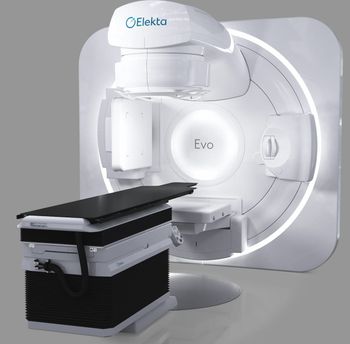
Incorporating AI to reduce artifacts and bolster soft tissue contrast, the Elekta Evo CT-Linac system reportedly improves detection of tumors and organs-at-risk.
Catch up on the top radiology content of the past week.
In a recent interview, Rajesh Bhayana, M.D., discussed pertinent findings from a new study examining the use of the large language model GPT-4o in facilitating protocoling for abdominal and pelvic CT exams.
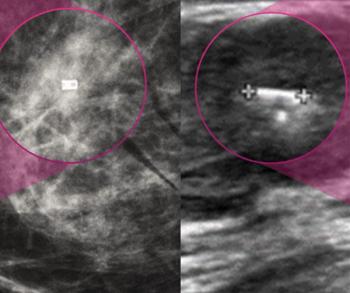
Offering a biocompatible, non-metallic alternative to metallic tumor markers, the VM1 tumor marker reportedly offers artifact-free visibility across a variety of breast imaging including mammography, ultrasound and MRI.
In a recent interview, Mina Makary, M.D., discussed recent research examining diversity within interventional radiology (IR), attrition rates in IR residency programs and potential strategies to bolster recruitment and retention.
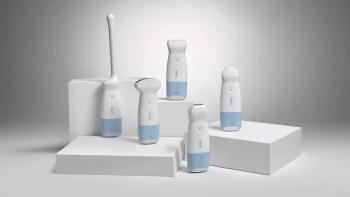
Offering compact versatility for an array of clinical settings, the ASUS Handheld Ultrasound LU800 is reportedly the first handheld device to be supported across Android, Chrome, iOS and Windows operating systems.
In a recent interview, Ron Blankstein, M.D., discussed insights from a recent consensus statement from the American College of Cardiology on AI-enabled plaque quantification with coronary computed tomography angiography (CCTA) exams, and other pertinent considerations with the emerging technology.
Catch up on the top radiology content of the past week.
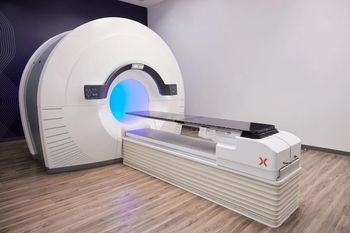
The upgraded RefleXion X2 platform offers a 20 cm field of view that may bolster visualization of moving tumors.
In a recent interview, Onofrio Catalano, M.D., Ph.D., discussed new research findings demonstrating robust sensitivity and specificity in detecting hepatocellular carcinoma in patients with LI-RADS 3 presentations.
In a recent interview, Jeremie Calais, M.D., Ph.D., discussed new research examining the prognostic capacity of PSMA PET parameters in predicting hematologic toxicity and outcomes for patients treated with (177Lu)Lu-PSMA-617 for mCRPC.
Catch up on the top radiology content of the past week.
In an interview at the recent RSNA conference, Chris Davis, DMSc, PA-C, RT, discussed key considerations with the integration of advanced practice providers (APPs) into radiology.