
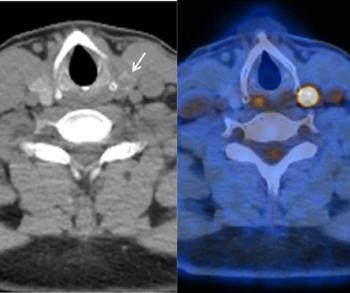
Irregular CT margin and an SUVmax > 6.25 were associated with greater than threefold and sixfold higher risks, respectively, for malignancy among patients with thyroid incidentalomas detected on PET/CT, according to new research.
Senior Editor, Diagnostic Imaging
Irregular CT margin and an SUVmax > 6.25 were associated with greater than threefold and sixfold higher risks, respectively, for malignancy among patients with thyroid incidentalomas detected on PET/CT, according to new research.
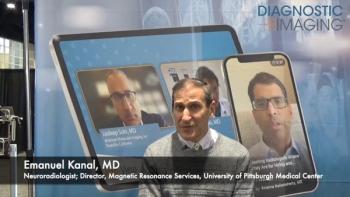
In a recent interview at the RSNA conference, neuroradiologist Emanuel Kanal, M.D., discussed key findings from a committee of the American Board of Magnetic Resonance Safety with respect to MRI technologist responsibilities and how the advent of remote MRI scanning and related protocols may lead to increased MRI safety.
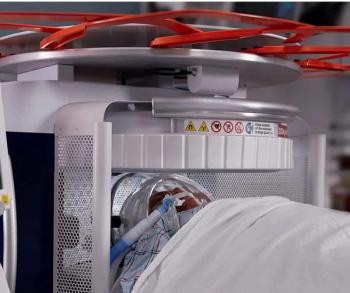
The multi-directional diffusion-weighted imaging (DWI) sequence reportedly bolsters small stroke detection and infarct differentiation for portable MRI of the brain.
Catch up on the top radiology content of the past week.
In a recent interview, Tyler Coombes, M.D., and Parth Patel, M.D., discussed recent research, presented at the RSNA conference, which suggested that quantitative evaluation of non-calcified plaque volume (NCPV) may offer significant utility for cardiovascular risk stratification.
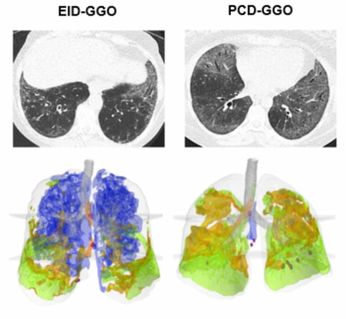
For patients with systemic sclerosis, the combination of PCCT and automated Lung Texture Analysis (LTA) offered a higher AUC for detecting interstitial lung disease (ILD) at a 70 percent lower mean CT dose index than the pairing of EID-CT and LTA.
In a recent interview, Layne Dylla, M.D. discussed key findings from a recent study that revealed a doubling of annual head CT scans in emergency department settings over a 15-year period.
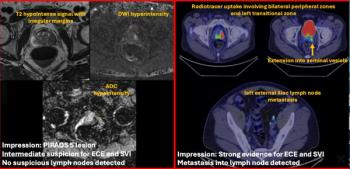
Noting limitations of prostate MRI and advantages of PSMA PET/CT for detecting extraprostatic extension and lymph node involvement, researchers explored the potential utility of standalone PSMA PET/CT in prostate cancer staging in a review presented for the RSNA conference.
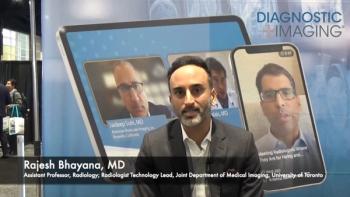
In a recent interview at the RSNA conference, Rajesh Bhayana, M.D., discussed current research findings on the use of large language models (LLMs) in radiology and emerging LLMs that may have an impact.
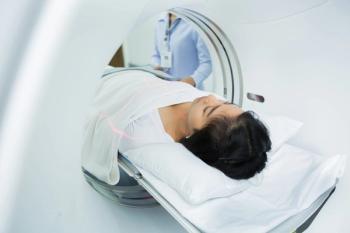
Providing automated analysis of non-contrast head CT scans, the AI-enabled Scaida BrainCT-ICH software offers a specificity of 88.7 percent for intracranial hemorrhage detection with less than six seconds of processing time.

In a recent interview at the RSNA conference, Roland Rott shared his perspective on the planned acquisition of Intelerad by GE HealthCare along with insights on key synergies and future directions.
In a recent interview at the RSNA conference, Manisha Bahl, M.D., discussed new research examining the use of slab reconstruction technology with digital breast tomosynthesis (DBT), and its potential in reducing interpretation time and imaging volume.
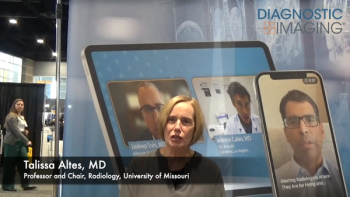
In a recent interview at the RSNA conference, Talissa Altes, M.D., and Konstanze Diefenbach, M.D., discussed the potential utility and recent research findings on the use of the MRI contrast agent gadoquatrane for pediatric patients.
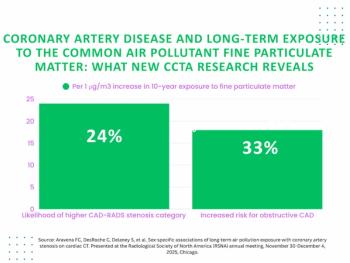
For men with a 1 μg/m3 increase in ten-year exposure to fine particulate matter, a common air pollutant, there was a 47 increased likelihood of moving to a higher CAD-RADS stenosis category, according to new coronary CT angiography research presented at the Radiological Society of North America (RSNA) conference.
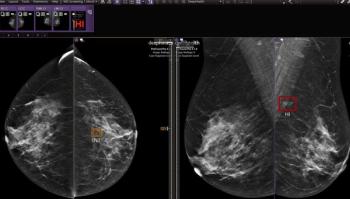
The Breast Suite software reportedly provides automated localization of regions of interest on mammograms as well as AI-enabled assessments of breast density and stratification of breast cancer risk for up to two years.
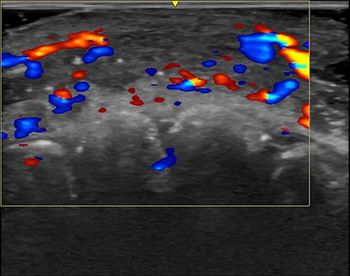
Absent flow to perforator vessels in the face occurred in over 40 percent of women who had cosmetic fillers, according to new vascular ultrasound research presented at the RSNA conference.
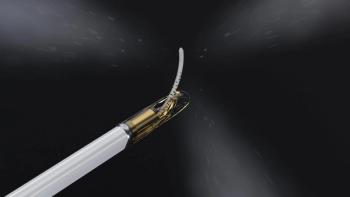
Preliminary research has shown that the Vanquish Water Vapor Ablation System eliminated MRI-visible intermediate-risk PCa in over 90 percent of patients.
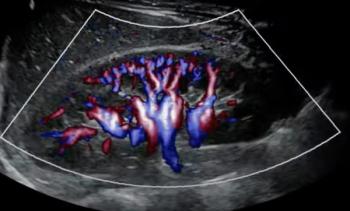
The Resona A20 device reportedly provides advances in imaging and AI automation along with an intuitive ergonomic design for ease of use.
In a recent interview at the RSNA conference, Constance Lehman, M.D., Ph.D., discussed new research, which compared image-based AI for mammography versus breast density assessment in evaluating breast cancer risk.
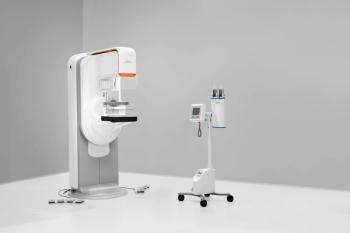
The addition of ClearCEM to Mammomat B.brilliant devices reportedly enhances differentiation of suspicious areas in image reconstruction and facilitates improved accuracy with tomosynthesis-guided biopsies.
In a recent interview, Stamatia Destounis, M.D., discussed new research, which showed that over 20 percent of breast cancer was detected in women under 50 years of age and that 80 percent of these cases involved invasive breast cancer.
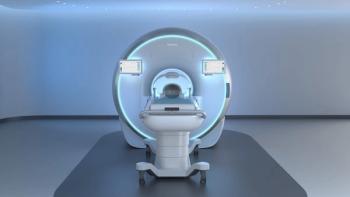
Reportedly the first MRI platform with a helium-free 3T magnet, the BlueSeal Horizon device offers a variety of AI-powered features as well as enhanced 3D image reconstruction.
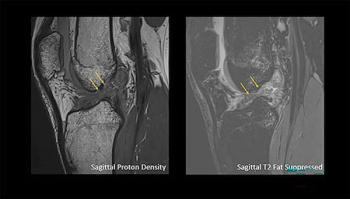
In a study of over 13,000 patients who presented with knee pain, MRI data demonstrated a 20 percent higher prevalence of anterior cruciate ligament (ACL) tears in men than women.
Catch up on the top radiology content of the past week.
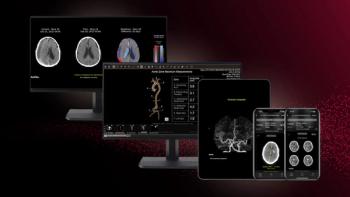
The new FDA 510(k) clearances for RapidAI include Rapid LMVO, which facilitates assessment of ischemic stroke, and Rapid MLS, which aids in the quantification of midline shifts with potential brain injuries.
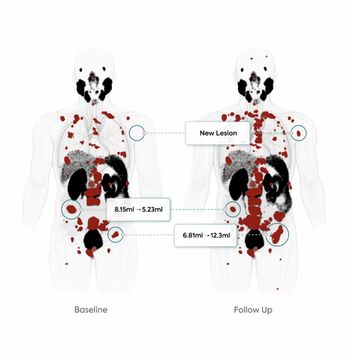
Utilizing the AI-enabled TrackPSMA to monitor the effectiveness of radioligand therapy for prostate cancer may allow more timely decisions to adjust treatment dosage or switch to a more effective modality.
Deep learning assessment of adrenal gland volume on computed tomography (CT) scans may provide an objective assessment of chronic stress with significant links to adverse cardiovascular outcomes, according to new research to be presented at the Radiological Society of North America (RSNA) annual meeting.
In a recent interview, Nina Kottler, M.D., discussed key trends that are leading to a renewed focus on improved enterprise imaging platforms and the potential promise of integrating Cognita Imaging’s Mosaic Drafting vision language model technology into the MosaicOS platform.
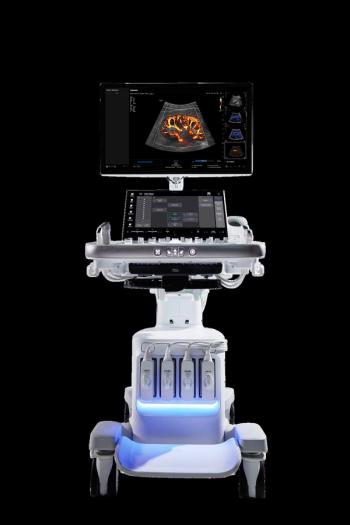
Combining AI advances and ergonomic innovation, the R20 ultrasound platform reportedly offers a variety of automated tools and design features to facilitate a smoother, efficient imaging workflow.
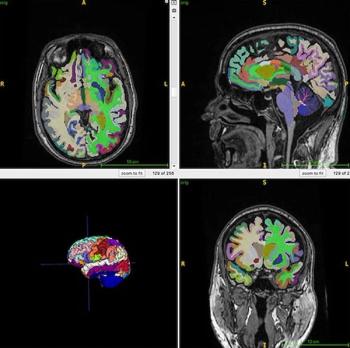
In MRI findings to be presented at the upcoming RSNA meeting, researchers demonstrated that the combination of higher muscle mass and lower visceral fat may have an impact on brain aging.