
CT
Latest News
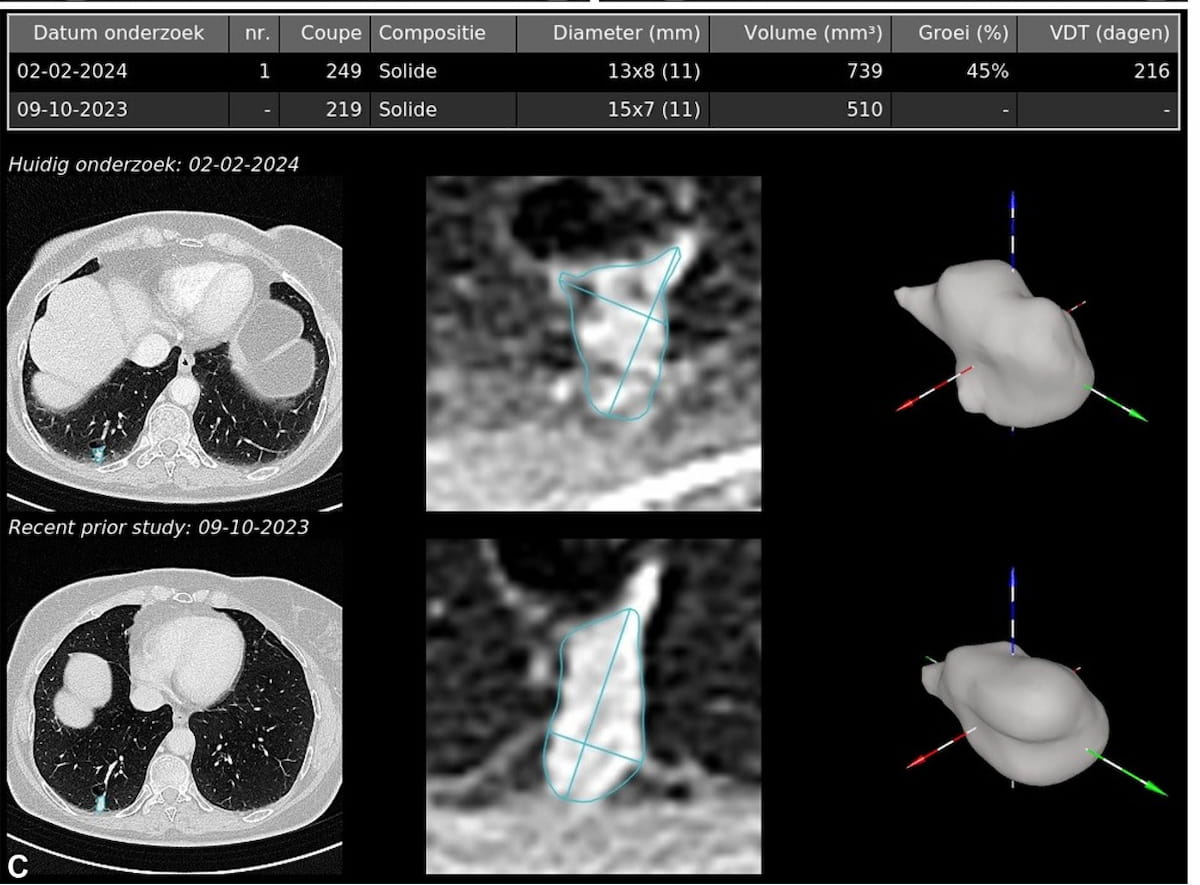
Study: Chest CT AI Software Facilitates Nearly 15 Percent Reduction in Reporting Time
By Jeff Hall
Advertisement
Latest Videos


Shorts

0:31
'Moving in the Right Direction' with CT Radiation Dosing
a day ago
by
Kalpana Kanal, PhD

0:44
Timely Access to Neuroimaging: One of the Biggest Challenges in Stroke Care
8 days ago
by
Arun Talkad, MD

0:53
How AI-Enabled Triage Helps Navigate Weekend Call Duties in Radiology
9 days ago
by
Raza Mushtaq, MD

0:38
How AI Triage Efficiency Gains in Neuroradiology May Facilitate Improved Work-Life Balance
a month ago
by
Vivek Singh, MD

0:26
Screening Implications for AI Assessment of Coronary Inflammation from Non-Contrast CT
a month ago
by
Kenneth Chan, MBBS

0:56
Coronary Inflammation Measurement with AI: Can It Be a Game Changer for CV Risk Stratification?
a month ago
by
Kenneth Chan, MBBS

0:38
Emphasizing the Importance of Incidental Calcifications in Decision-Making
2 months ago
by
Ron Blankstein, MD
0:50
Improved Physician Notification on AI Detection of Incidental Coronary Plaque and the Impact on Patient Care
2 months ago
by
Ron Blankstein, MD

0:49
How Imaging Insights on Vascular Anatomy May Improve Success with Y90 Embolization Procedures
2 months ago
by
Mina S. Makary, MD

0:34
The Long Road to Equitable Pediatric AI
2 months ago
by
Joseph Cavallo, MD, MBA
Podcasts


CME Content








Advertisement
More News
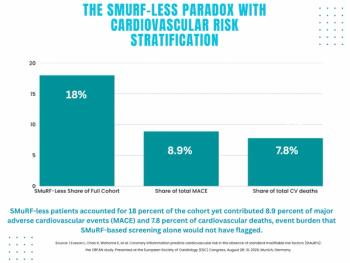
Elevated coronary inflammation, measured with the CCTA-derived and AI-enabled perivascular fat attenuation index (FAI) score, was associated with over a 12-fold higher risk for cardiovascular mortality in patients with no diabetes, hypertension, smoking history or obesity, according to new research presented at the European Society of Cardiology (ESC) Congress.
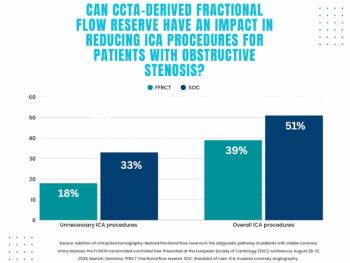
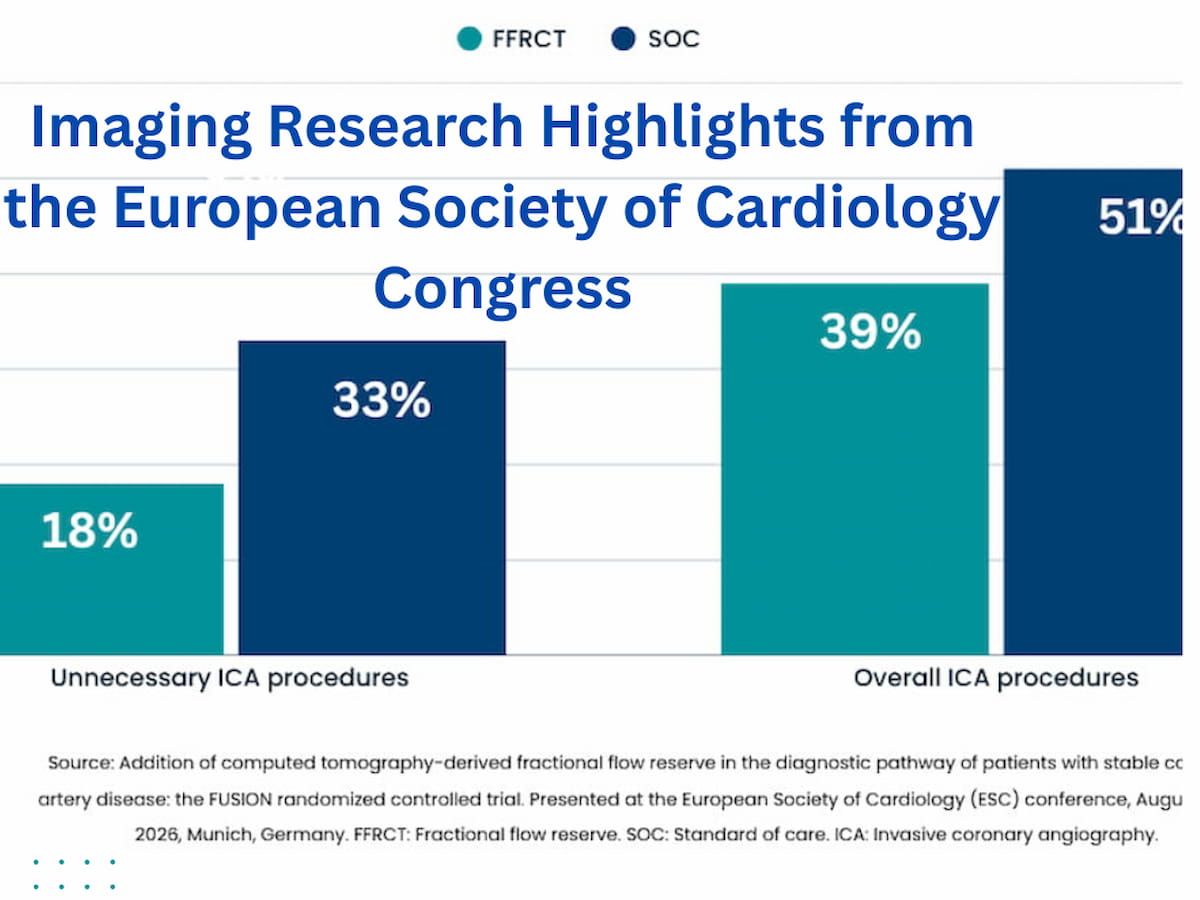
New research presented at the European Society of Cardiology (ESC) conference demonstrates that fractional flow reserve (FFR) based off CCTA exams significantly decreases unnecessary invasive coronary angiography (ICA) procedures for patients with stable chest pain and obstructive stenosis.
Catch up on the top AI-related news and research in radiology over the past month.
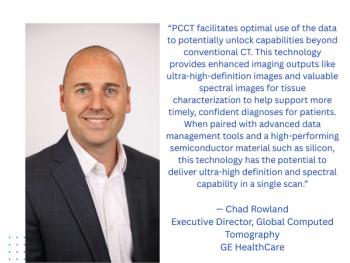
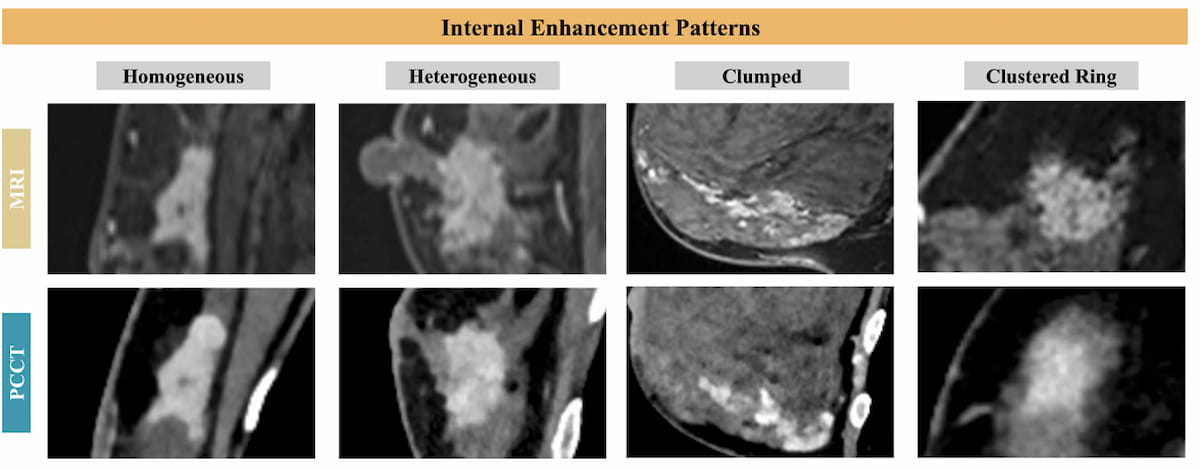
In addition to providing stronger image quality, well-designed photon-counting CT systems may facilitate increased standardization, efficiency and simplification that may lead to reduced cognitive burden for radiologists.
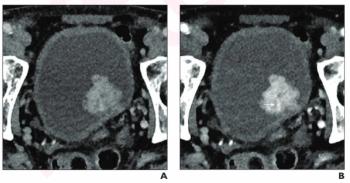
Reducing false positives in evaluation of muscle invasion in bladder cancer cases that can occur with conventional imaging, spectral information with photon-counting CT may offer significantly improved accuracy and specificity in local staging.
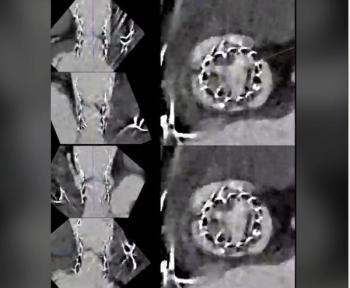
The high-resolution temporal and spatial imaging with photon-counting CT bolster our understanding of the connections between anatomy and function in structural heart imaging.
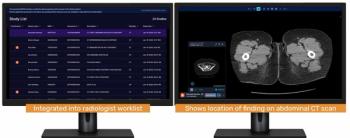
Use of the CARE Multi-Triage CT Body software will be eligible for a New Technology Add-on Payment (NTAP) from CMS starting on October 1, 2026 for inpatients in Medicare fee for service plans.
Catch up on the latest blogs from Filippo Cademartiri, MD, PhD, who discusses topics ranging from CCTA scan acquisition and photon-counting CT to artificial intelligence and assessment of current plaque as a biomarker for evaluating MACE risk.
Catch up on the top radiology content of the past week.
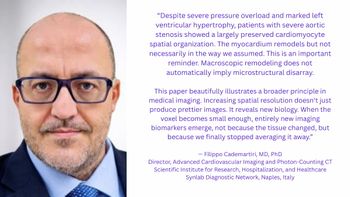
Smaller voxel size may offer insights into biology we could never access with conventional resolution.
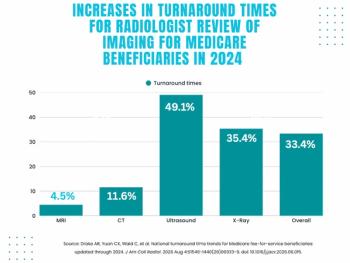
In comparison to 2023 statistics, the authors of a new study noted an approximately 49 percent increase in radiology turnaround time for ultrasound interpretation and over a 35 percent increase in turnaround time for X-ray assessments.
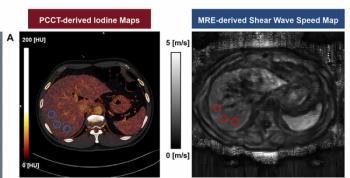
Extracellular volume fraction (ECV) assessment with photon-counting CT offered higher sensitivity and comparable specificity and AUC to magnetic resonance elastography (MRE)-derived liver stiffness measurement (LSM) for evaluating patients with stage 2 or higher fibrosis, according to a recent study.
New computed tomography (CT) research in July 2026 ranged from the ongoing impact of AI to significant declines in CT radiation dosing over the past decade to a growing recognition that coronary artery calcium (CAC) scoring alone may not be sufficient to convey a true picture of cardiovascular risk stratification.
Catch up on the most-well viewed radiology content in July 2026.

Catch up on the most well-viewed video interviews from Diagnostic Imaging in July 2026.
In comparison to findings from a similar study in 2014, the national volume computed tomography (CT) dose index (CTDLvol) declined by 9.3 percent, according to newly published research involving 5 million CT exams for over 2.8 million adults in 2025.
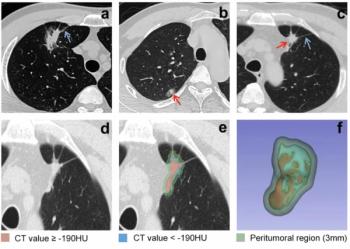
In an external test set from a recent study, a combined radiomic/deep learning model for intratumoral computed tomography (CT) threshold segmentation offered an 82.3 percent AUC and 95.4 percent sensitivity for predicting visceral pleural invasion in patients with lung adenocarcinoma < 30 mm.
Catch up on the top AI-related news and research in radiology over the past month.
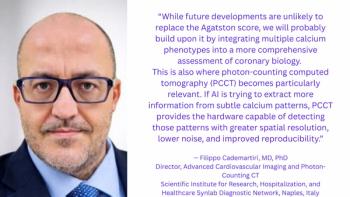
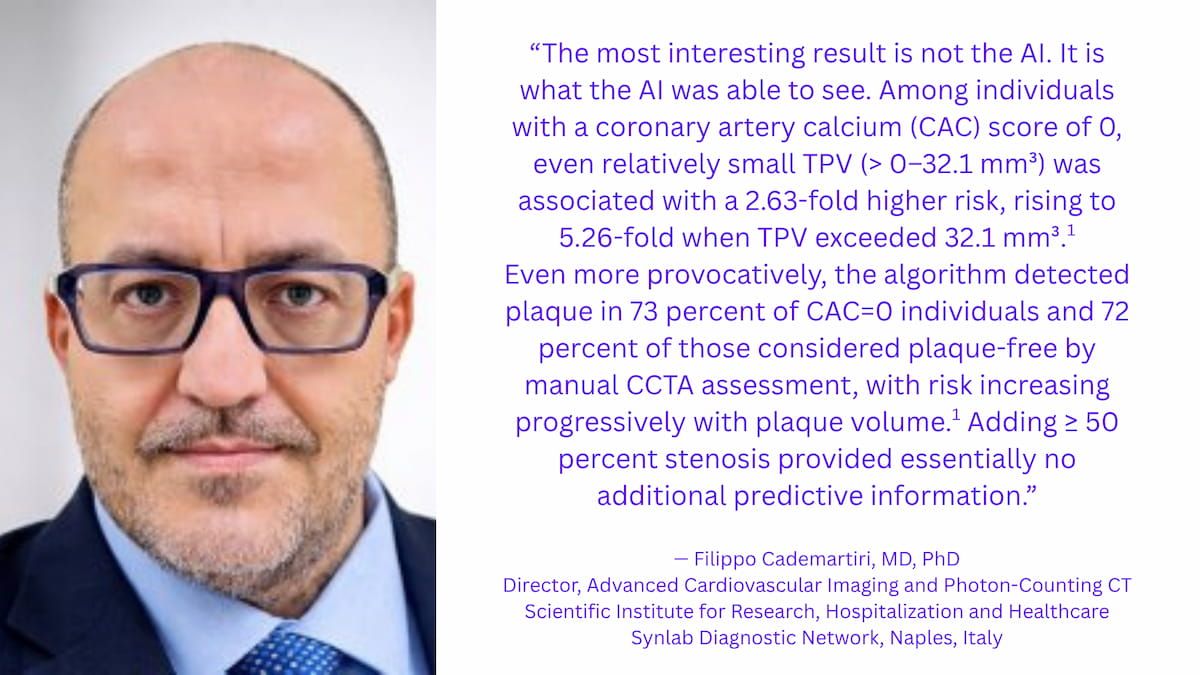
Advanced imaging with photon-counting CT and AI detection of subtle calcification may lead to a reevaluation of the power of zero with coronary artery calcium (CAC) scoring.
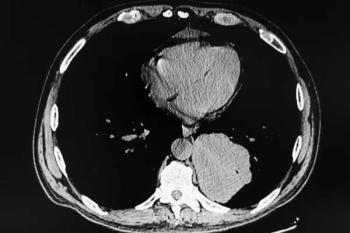
The HOPPR EF Chest CT Narrative Model reportedly provides narrative language describing pertinent findings across pulmonary, upper abdominal, cardiac, mediastinal and soft tissue regions with processing of 3D chest CT volumes.
In a recent interview, Vivek Singh, MD, discussed the practical realities of integrating AI into neuroradiology workflows, addressing challenges and concerns with implementation and potential automation bias, and emphasizing the importance of appropriate governance with AI tools and measurable outcomes in stroke imaging.
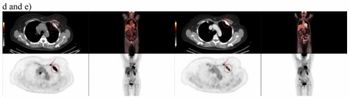
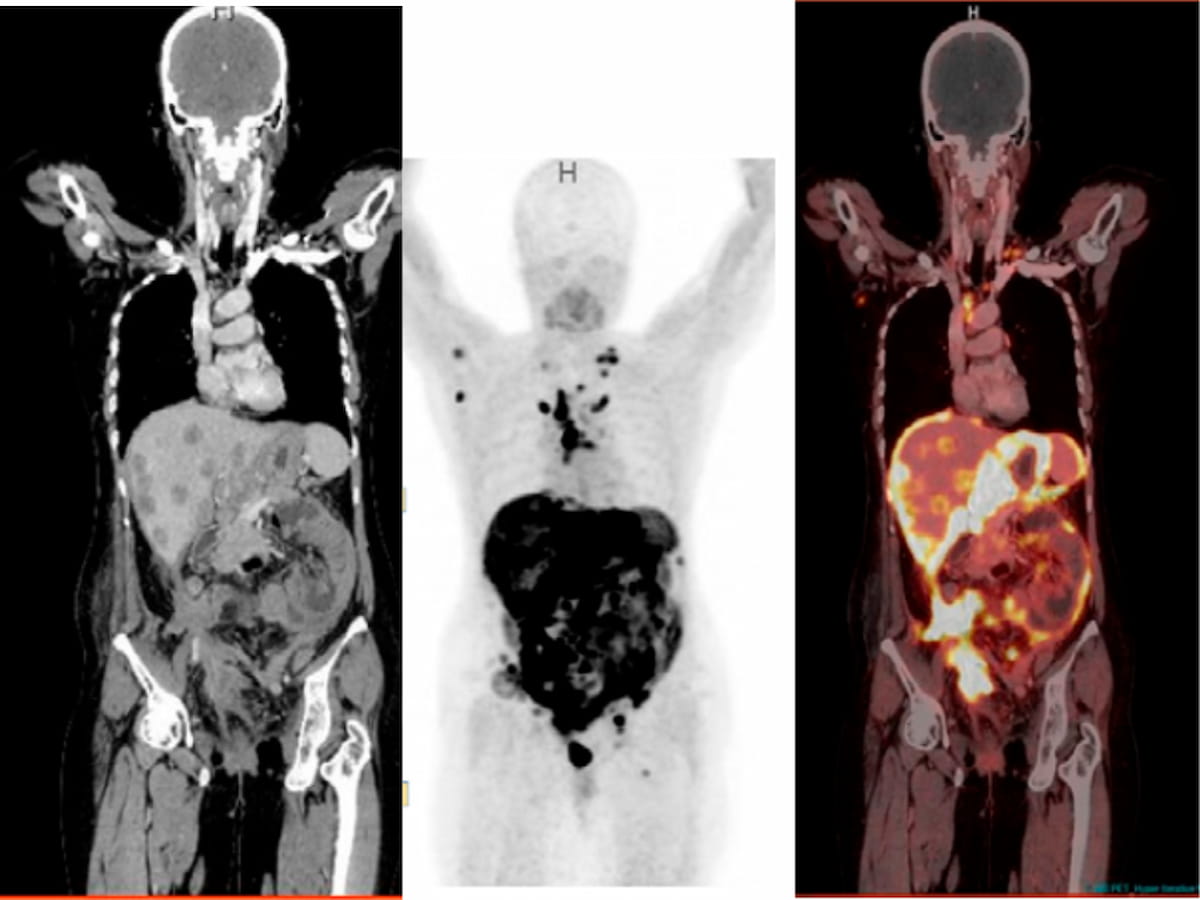
In a comparative study involving 51 women who had systemic treatment for metastatic breast cancer, researchers found that all FDG-PET scans identified measurable target lesions according to PERCIST criteria in comparison to 35 percent of CT scans as per RECIST 1.1 criteria.

Can the newly launched MIM Anyware platform bolster imaging access and multidisciplinary collaboration?
Catch up on the latest imaging research from the recent Society of Cardiovascular Computed Tomography (SCCT) conference.
Catch up on the top radiology content of the past week.
Advertisement
Advertisement
Trending on Diagnostic Imaging
1
What New Prospective Research Reveals About (177Lu)Lu-PSMA-I&T for Patients with mCRPC
2
The Reading Room Podcast: Assessing the Current Landscape of AI and Reimbursement in Radiology, Part 1
3
Study: Chest CT AI Software Facilitates Nearly 15 Percent Reduction in Reporting Time
4
Imaging Research Highlights from the European Society of Cardiology Congress
5