
MRI
Latest News
Advertisement
Latest Videos

Shorts
0:39
A 'Wake-Up Call' for BI-RADS 3 Audits
12 hours ago
by
Stamatia Destounis, MD, FACR

0:44
Timely Access to Neuroimaging: One of the Biggest Challenges in Stroke Care
14 days ago
by
Arun Talkad, MD
0:53
How AI-Enabled Triage Helps Navigate Weekend Call Duties in Radiology
14 days ago
by
Raza Mushtaq, MD
0:38
How AI Triage Efficiency Gains in Neuroradiology May Facilitate Improved Work-Life Balance
a month ago
by
Vivek Singh, MD
0:30
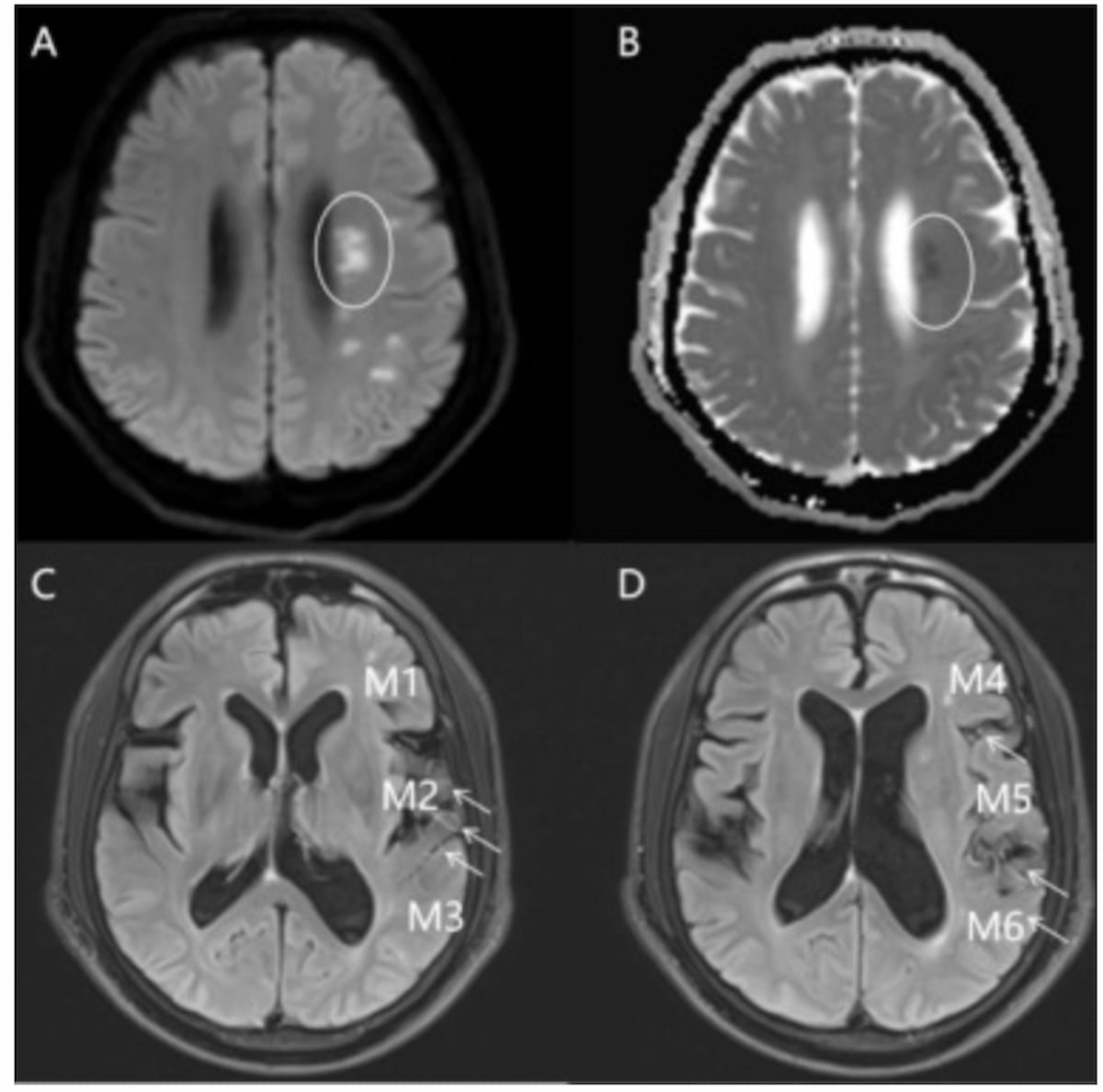
How Brain fMRI and DWI MRI May Help Pinpoint the Cause of Urinary Incontinence in Stroke Survivors
a month ago
by
Kay Jann, PhD
0:50
How AI Can Provide 'Life Saving Information' Beyond MRI for Aneurysm Monitoring
a month ago
by
Vivek Singh, MD
0:47
Self-Policing and MRI Safety
3 months ago
by
Tobias Gilk, MRSO, MRSE
0:59
A Call for Regulation of MRI Safety
3 months ago
by
Emanuel Kanal, MD
0:43
Key Design Parameters for Integrating Disney Characters into Pediatric MRI to Reduce Anxiety
3 months ago
by
Atul Gupta, MD
0:52
The Good News and Bad News About MRI Safety
4 months ago
by
Tobias Gilk, MRSO, MRSE
Podcasts







Advertisement
More News
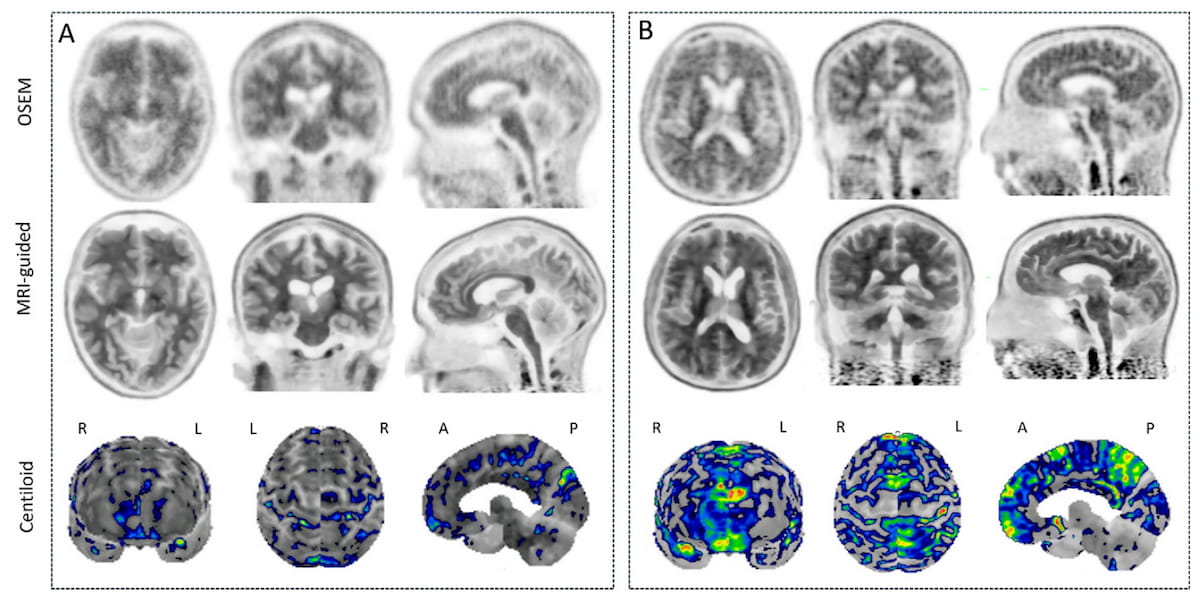
Catch up on the top AI-related news and research in radiology over the past month.
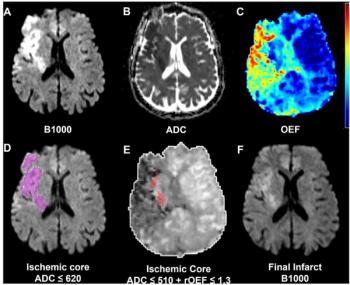
For patients who had successful reperfusion after acute ischemic stroke, new research demonstrated an 80 percent AUC for predicting infarct with the combination of apparent diffusion coefficient (ADC) mapping and relative oxygen ejection fraction (rOEF).
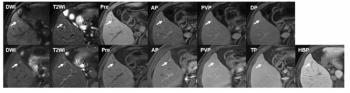
New research revealed that risk-stratified MRI surveillance in patients with cirrhosis led to over a 10 percent increase in early detection and over a 44 percent decrease in surveillance exams in comparison to reported results with semiannual ultrasound monitoring.
Catch up on the latest blogs from Filippo Cademartiri, MD, PhD, who discusses topics ranging from CCTA scan acquisition and photon-counting CT to artificial intelligence and assessment of current plaque as a biomarker for evaluating MACE risk.
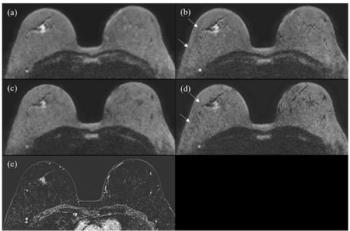
In comparison to standard readout-segmented echo-planar imaging, the combination of deep learning reconstruction and multi-shot diffusion-weighted imaging (DWI) offered significantly higher SNR, CNR and lesion contrast with a greater than a two-minute reduction in scan time.
Catch up on the top radiology content of the past week.
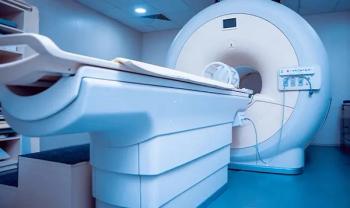
Noting the rising imaging volume and dearth of MRI scanner availability, the authors of a new literature review explore the utility and impact of workflow redesign, staff training, scheduling improvements and AI advances for enhancing MRI workflows.
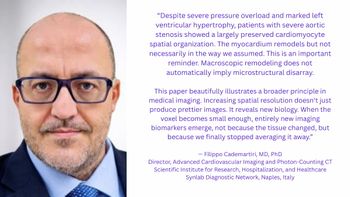
Smaller voxel size may offer insights into biology we could never access with conventional resolution.
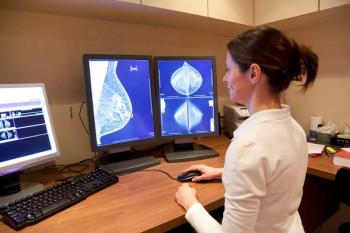
In a recently published review of the BI-RADS v2025 manual, leading breast radiologists offered pertinent insights on key changes for reporting of mammogram, breast ultrasound and breast MRI interpretation and assessment.
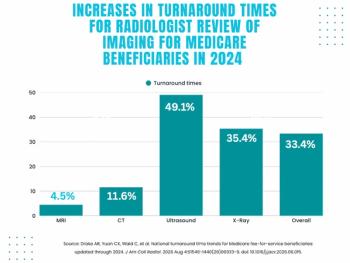
In comparison to 2023 statistics, the authors of a new study noted an approximately 49 percent increase in radiology turnaround time for ultrasound interpretation and over a 35 percent increase in turnaround time for X-ray assessments.
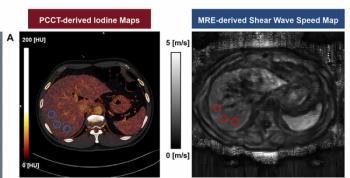
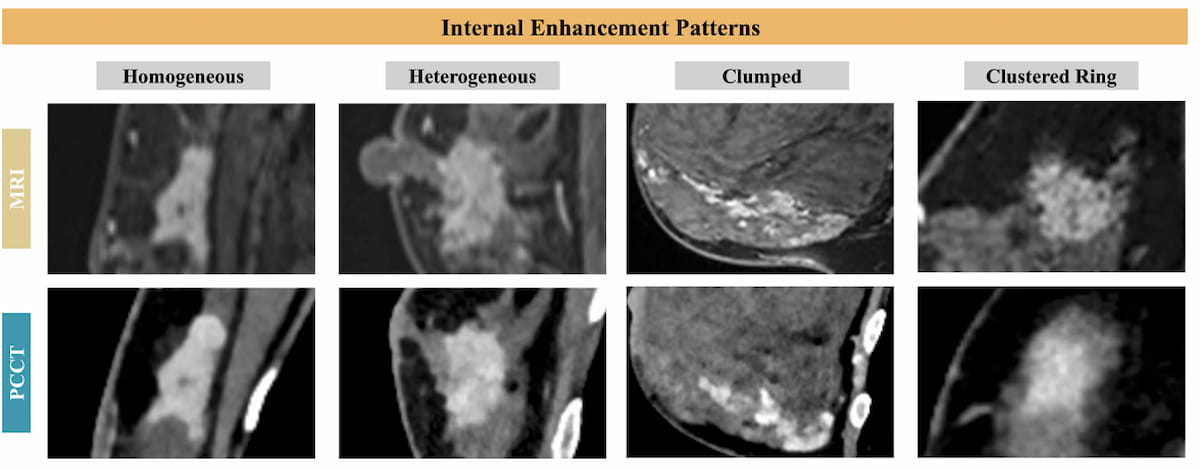
Extracellular volume fraction (ECV) assessment with photon-counting CT offered higher sensitivity and comparable specificity and AUC to magnetic resonance elastography (MRE)-derived liver stiffness measurement (LSM) for evaluating patients with stage 2 or higher fibrosis, according to a recent study.
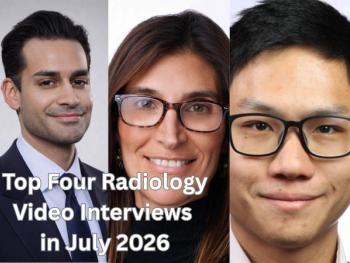
Catch up on the most well-viewed video interviews from Diagnostic Imaging in July 2026.
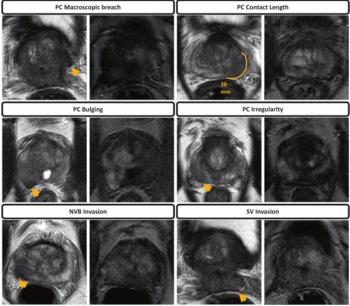
For biopsy-naïve patients who had radical prostatectomy for prostate cancer, new research suggests that biparametric MRI is comparable to multiparametric MRI for detecting extraprostatic extension.
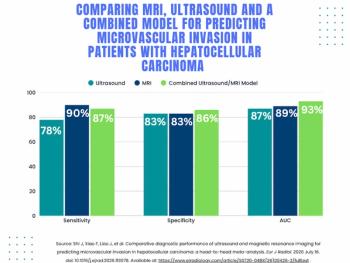
A model combining MRI and ultrasound findings yielded a 93 percent AUC for predicting microvascular invasion in hepatocellular carcinoma.
In a recent interview, Vivek Singh, MD, discussed the practical realities of integrating AI into neuroradiology workflows, addressing challenges and concerns with implementation and potential automation bias, and emphasizing the importance of appropriate governance with AI tools and measurable outcomes in stroke imaging.

Can the newly launched MIM Anyware platform bolster imaging access and multidisciplinary collaboration?
Catch up on the top radiology content of the past week.

Researchers found that former NFL players had a 3.8-fold higher mortality rate for all-cause dementia and a nearly 3.9-fold higher mortality rate for Parkinson’s disease, according to a study involving over 19,800 former NFL players.
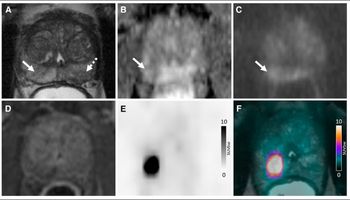
Researchers said the combination of 18F-flotufolastat PET/MRI may lead to a 57 percent reduction of prostate biopsies in comparison to a 25 percent reduction with prostate MRI alone.
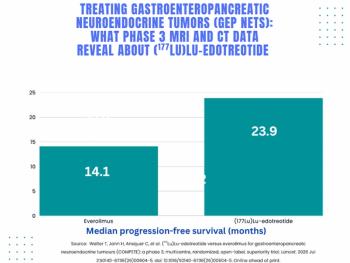
In comparison to everolimus, the peptide receptor radionuclide therapy (177Lu)Lu-edotreotide provided over a nine month longer median progression-free survival for patients with gastroenteropancreatic neuroendocrine tumours (GEP NETs), according to new phase 3 research.
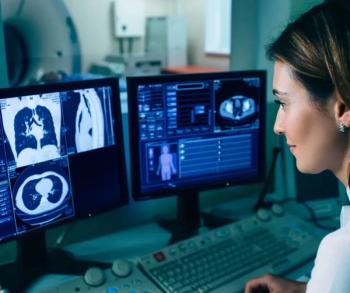
In an amusing take on the subject, this author suggests that having a colleague with dedicated expertise in curtailing unnecessary imaging requests could have an impact in reducing burgeoning worklists.
Catch up on the top radiology content of the past week.
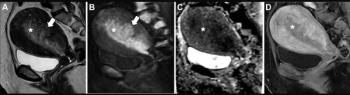
In comparison to the 2009 International Federation of Gynecology and Obstetrics (FIGO) staging system for endometrial cancer, researchers found that the updated 2023 FIGO system had over a 17 percent decrease for substage agreement between pelvic MRI and pathology findings.
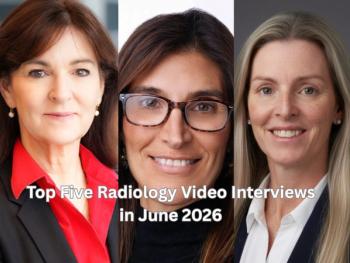
Catch up on the most well-viewed video interviews from Diagnostic Imaging in June 2026.
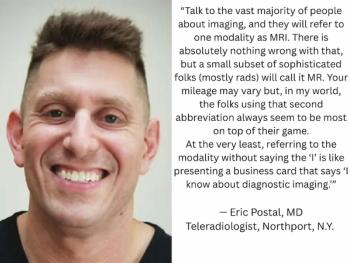
The words you say, how you say them and the tone in which you say them may impact perceptions of your credibility.
Advertisement
Advertisement
Trending on Diagnostic Imaging
1
MRI Research Reveals Strong Link Between Vascular Hyperintensity and Cerebral Edema in Patients with Acute Ischemic Stroke
2
The Biggest Mistake with AI in Radiology
3
Molecular Imaging in Focus: Can the Newly FDA-Approved PET Agent Floretyrosine F18 Have an Impact for Glioma Imaging?
4
The Shifting Power Dynamic in Radiology: Respect and Equal Footing with Referring Clinicians
5