










Here's what to expect this week on Diagnostic Imaging.
Here's what to expect this week on Diagnostic Imaging.

Across X-ray, CT, ultrasound, and MRI, as well as insurance types, African American and Hispanic children get fewer tests than white children.
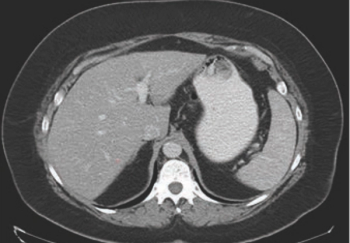
CT can provide faster, easier-to-capture evidence of non-alcoholic fatty liver disease than MRI or ultrasound elastography.
COVID-19 Vaccine Adenopathies Mimic Breast Malignancies; Appendicitis, CT Exposure and Increased Cancer Risk; and MRI AI Tool for Prostate Cancer Recurrence Prediction

Seno’s Imagio® breast imaging system can help providers distinguish, in real-time, between benign and malignant breast lesions.
Pairing MR-guided high intensity focused ultrasound with the standard-of-care, external beam radiotherapy, can offer faster pain relief to patients.
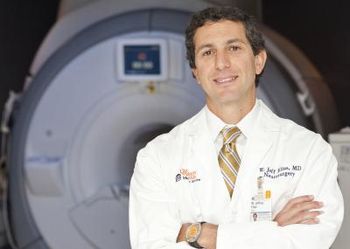
By targeting the subthalamus, providers can help alleviate symptoms for patients whose Parkinson’s is not controlled with medication and who are not candidates for traditional brain surgery.

Credentialing leads to higher-quality, more consistent care while improving patient trust.

Five-year contract furthers the companies’ existing partnership.

As imaging volumes continue to rise, experts offer a targeted solution that could lead to faster throughput.

From imaging guidance to clinical presentations to disinfection procedures, coverage of all the work around COVID-19 this year gave the industry a great deal of insight into the pandemic.
Frost & Sullivan analysts offer their insights on how 2020 opened the door for greater telehealth functionality with ultrasound.

Here's what to expect this week on Diagnostic Imaging.
The pandemic’s impact on sonographers was largely a boomerang effect, but some struggles remain.
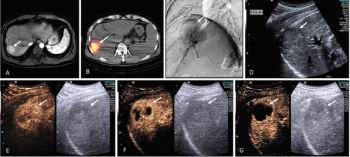
Popping microbubbles with ultrasound waves prompts greater radiation susceptibility, leading to lower tumor growth and better long-term patient outcomes.
Here's what to expect this week on Diagnostic Imaging.

The December 2020 Diagnostic Imaging eBook.
Providers can use scans to score a patient’s lung health, potentially identifying which patients will fare worse from the virus, requiring more extensive treatment.
Here's what to expect this week on Diagnostic Imaging.

Advanced imaging can help pinpoint the location and cause of lingering nerve damage in patients who have recovered from the virus.
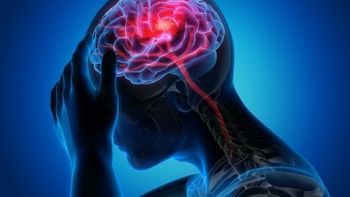
Left atrial diameter and fibrosis differences between African American and white patients could play a role the risk of ischemic stroke.
Rapid COVID-19 Diagnosis with CT and CO-RADS; Cooled Radiofrequency Ablation for Pain Relief; Inappropriate Abdominal CT and Ultrasound Scans; and Lead Shielding Guidance

Study finds 84 percent of CT and ultrasounds in the emergency department do not follow ACR appropriateness criteria and cause downstream problems for patient care.

The radiologic technologists and sonographers have experienced changes during the viral outbreak.

Together with integrated cancer care provider GenesisCare, the imaging provider looks to attack the two biggest global health problems.