
Catch up on the top radiology content of the past week.

Catch up on the latest imaging research from the recent European Society of Cardiology (ESC) Congress.

The use of adjunctive AI for pulmonary nodule assessment on chest CT exams led to over a three-minute reduction in median reporting time, according to newly reported research.

The PET radiotracer JBS-003 (18F-fluoromisonidazole) is currently being evaluated in a phase 3 randomized trial for facilitating de-escalation of radiation therapy in patients with HPV-positive oropharyngeal carcinoma.

In the first of a two-part interview, Kalpana Kanal, PhD, and Mahadevappa Mahesh, MS, PhD, FAPPM, FACR, discussed recently published research showing significant declines in computed tomography (CT) radiation dosing over the past decade.

Offering ease of integration into existing radiology workflows, the AI-enabled Heartvue.Proton software emphasizes time savings with automation of common measurements for cardiac MRI.

A new study shows that even small plaque volume may be associated with significantly higher risk for cardiovascular events, making the enhanced spatial resolution available with advanced imaging even more critical in risk stratification.

In comparison to contrast-enhanced CT, FAPI PET was associated with over 27 percent higher sensitivity for peritoneal carcinomatosis in the small bowel and 53 percent higher sensitivity in the upper abdomen, according to a new study involving 200 women with primary ovarian carcinoma.

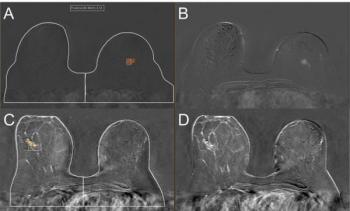
New research suggests that photon-counting CT provides comparable sensitivity to breast MRI for lesion characterization, higher accuracy than MRI for nodal metastasis and lower detection of microcalcifications in comparison to full-field digital mammography.

Elevated coronary inflammation, measured with the CCTA-derived and AI-enabled perivascular fat attenuation index (FAI) score, was associated with over a 12-fold higher risk for cardiovascular mortality in patients with no diabetes, hypertension, smoking history or obesity, according to new research presented at the European Society of Cardiology (ESC) Congress.

In a recent episode of our Molecular Imaging in Focus series, Sharmila Dorbala, MD, MPH, discusses phase 3 study findings on the use of the PET/CT radiotracer 124I- evuzamatide for overall detection of cardiac amyloidosis as well as the subtypes light-chain amyloidosis (AL) and transthyretin amyloidosis (ATTR) cardiac amyloidosis.

To what degree does your work setting and employer preferences affect your accuracy and approach to defensive medicine?

New research presented at the European Society of Cardiology (ESC) conference demonstrates that fractional flow reserve (FFR) based off CCTA exams significantly decreases unnecessary invasive coronary angiography (ICA) procedures for patients with stable chest pain and obstructive stenosis.

In a recent interview, Arun Talkad, MD, discussed the use of AI-powered enterprise imaging to facilitate recently expanded acute stroke care guidelines from the American Heart Association and the American Stroke Association.

Catch up on the most-well viewed radiology content in August 2026.

This summer's breast imaging research spanned digital breast tomosynthesis (DBT) efficiency gains, AI models that flag cancer risk years before diagnosis, a cautionary study on automation bias, and advances in ultrasound, MRI, and contrast-enhanced mammography (CEM). Here is a look back at the most well-viewed breast imaging content of the summer.

Catch up on the top AI-related news and research in radiology over the past month.

Having perspective on what constitutes bad luck, human error or a legitimate beef can prevent a lot of wasted energy on negativity inside and outside of the reading room.

Catch up on the top radiology content of the past week.

Catch up on a variety of FDA news in radiology from the past week.

In addition to providing stronger image quality, well-designed photon-counting CT systems may facilitate increased standardization, efficiency and simplification that may lead to reduced cognitive burden for radiologists.

Reducing false positives in evaluation of muscle invasion in bladder cancer cases that can occur with conventional imaging, spectral information with photon-counting CT may offer significantly improved accuracy and specificity in local staging.

In the latest episode of his “Interventional Radiology in Focus” series, Mina Makary, MD, discusses the appeal of the specialty, key advances in the field in recent years, and the need for increased awareness of what interventional radiology can offer to patients.

The AI-powered software NeuroQuant PET reportedly offers automated quantification and structured reporting and facilitates evaluation of brain scans with multiple amyloid PET radiotracers.

Preliminary research with the PET radiopharmaceutical 68Ga-NYM096 has demonstrated a 95.7 percent accuracy rate in patients with primary clear cell renal cell carcinoma (ccRCC) and a significantly higher mean SUVmax in the most active lesions in comparison to 18F-FDG.

For patients who had successful reperfusion after acute ischemic stroke, new research demonstrated an 80 percent AUC for predicting infarct with the combination of apparent diffusion coefficient (ADC) mapping and relative oxygen ejection fraction (rOEF).

In a recent Practice Academy webinar session, Nina Kottler, MD, MS, FSIIM, FAIM, discussed challenges with narrow AI applications, the continued emergence of foundation models and a potential trajectory with AI that may facilitate a combination of opportunistic screening and prognostic risk assessment.

In a recent Practice Academy webinar session, Seena Dehkharghani, MD, FAHA, and Raza Mushtaq, MD, discussed the challenge of burgeoning worklist volume amid the ongoing radiologist shortage and the emergence of AI advances with enterprise imaging.

The cmAngio 2.0 AI-enabled software reportedly offers new capabilities for quantitative measurement of breast arterial calcification (BAC) as well as age-based contextualization based on mammography assessment.

New research revealed that risk-stratified MRI surveillance in patients with cirrhosis led to over a 10 percent increase in early detection and over a 44 percent decrease in surveillance exams in comparison to reported results with semiannual ultrasound monitoring.