


Oncology MRI
Latest News
September 1st 2025
By Jeff Hall
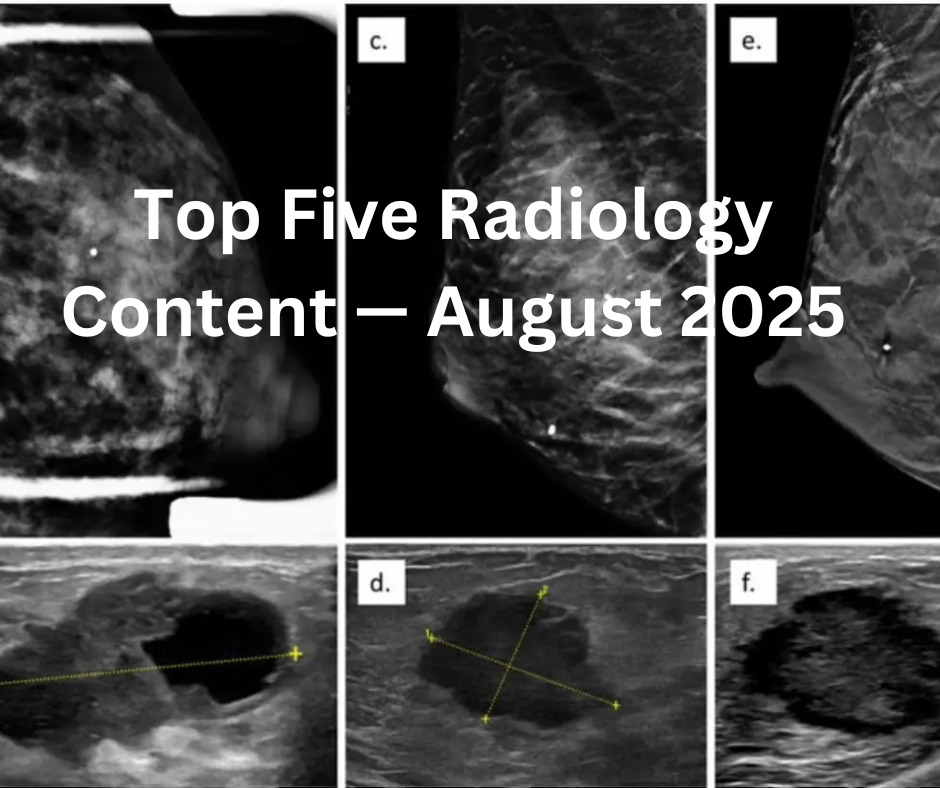
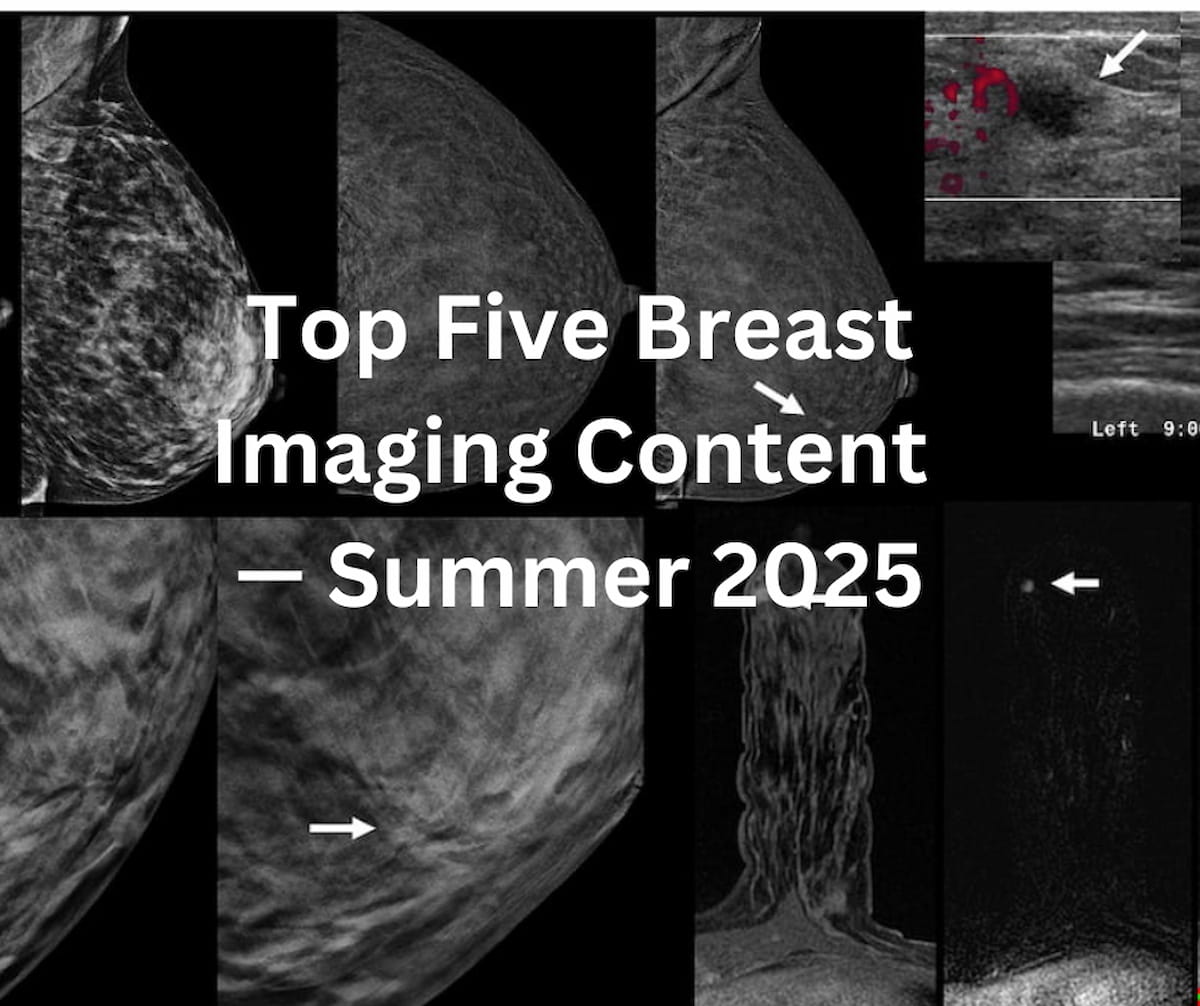
From emerging research on disparities in breast cancer screening to the promising combination of contrast-enhanced mammography with DBT and a three-part podcast on abbreviated breast MRI, here is a look back at the most well-reviewed breast imaging content of the summer.
Advertisement
Latest Videos

CME Content








Advertisement
More News
Catch up on the top radiology content of the past week.
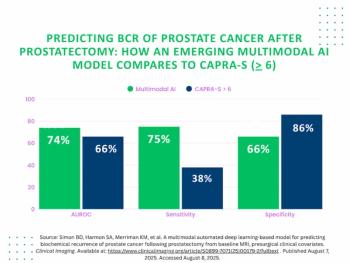
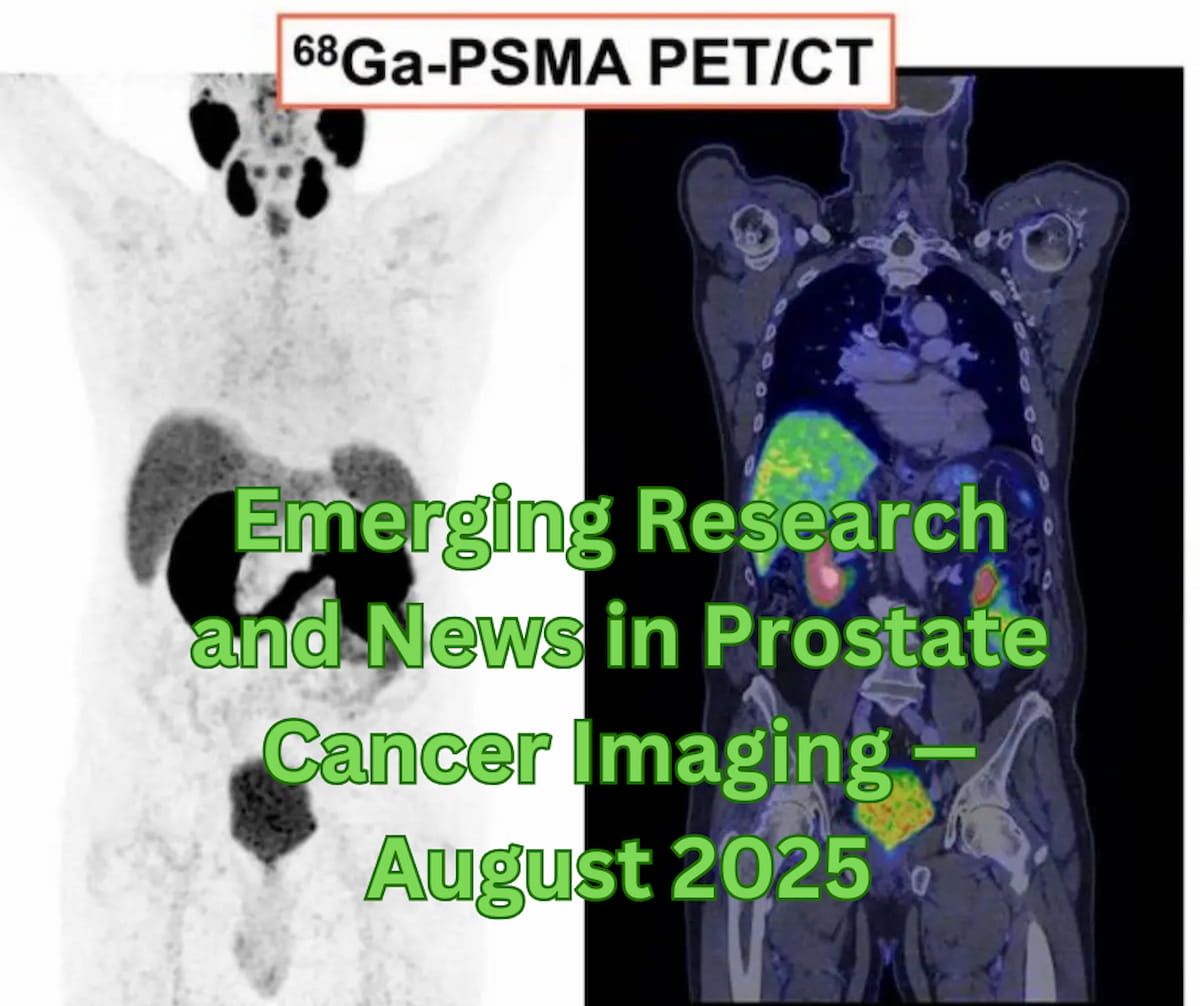
A deep learning multimodal model that incorporates MRI features offered nearly double the sensitivity for predicting post-prostatectomy biochemical recurrence of prostate cancer in comparison to the traditional CAPRA-S scoring system.
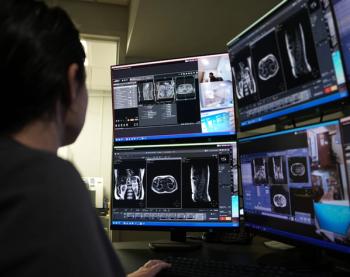
In addition to facilitating centralized scanning for a variety of imaging, the TechLive system may help ease the strain of technologist shortages and broaden access to advanced imaging exams.
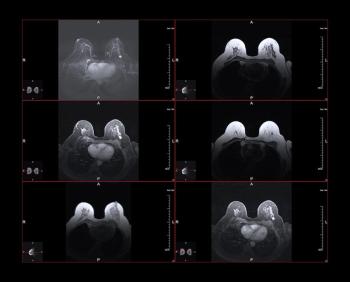
Lower proportions of extremely dense breasts and high BRCAT lifetime risk among Black women in comparison to White women may have resulted in a lower likelihood of eligibility for supplemental screening insurance coverage in Pennsylvania, according to new research.
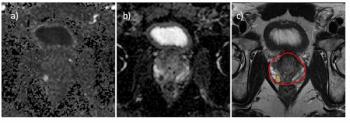
Offering an 87 percent sensitivity for clinically significant prostate cancer (csPCa), the deep learning model demonstrated an 86 percent AUC for predicting > PI-RADS 3 lesions on prostate MRI.
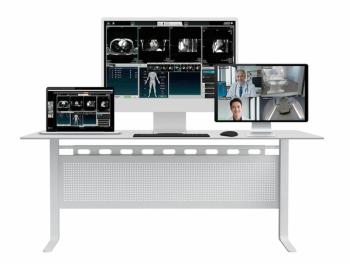
The multimodality remote scanning modality uOmniscan and the recently FDA-cleared 3T uMR Ultra MRI system were unveiled at the Association for Medical Imaging Management (AHRA) conference in Las Vegas.
Catch up on the top radiology content of the past week.
In the last of a three-part podcast episode, Stamatia Destounis, MD, Emily Conant, MD and Habib Rahbar, MD, share additional insights on practical considerations and potential challenges in integrating abbreviated breast MRI into clinical practice, and offer their thoughts on future research directions.
In the third of a three-part podcast episode, Emanuel Kanal, M.D. and Tobias Gilk, MRSO, MRSE, discuss strategies for maintaining the integrity of time-out procedures and communication with remote MRI scanning.

An analysis of over 749,000 Medicare beneficiaries diagnosed with prostate cancer over a five-year period found that Black men were 13 percent less likely to receive PET imaging and 16 percent less likely to receive MRI in comparison to White men.
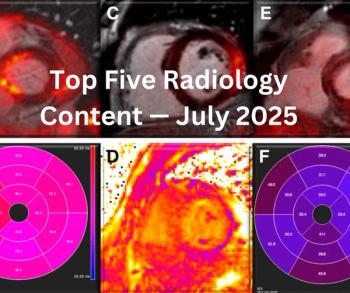
Catch up on the most-well viewed radiology content in July 2025.

Catch up on the top AI-related news and research in radiology over the past month.
Catch up on the top radiology content of the past week.
In the second of a multi-part podcast episode, Emanuel Kanal, M.D. and Tobias Gilk, MRSO, MRSE, share their perspectives on remote MRI safety protocols for ensuring screening accuracy and adherence to conditional implant guidelines as well as a rapid and effective response to adverse events.
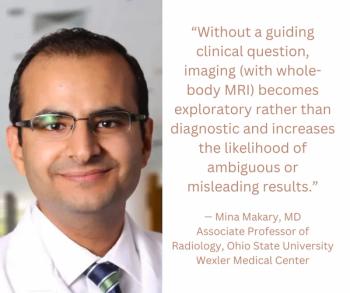
Beyond the hype, whole-body MRI offers limited clinical benefit in the general population with extraneous use potentially triggering a cycle of overdiagnosis, unnecessary treatment and financial strain.
In the second part of a multi-part podcast episode, Stamatia Destounis, MD, Emily Conant, MD and Habib Rahbar, MD, discuss key sequences for abbreviated breast MRI and how it stacks up to other breast cancer screening modalities.
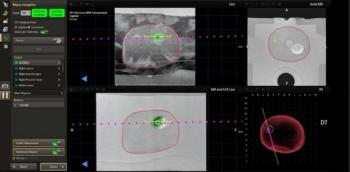
Advanced annotation with the updated UroNav MRI/ultrasound fusion platform may facilitate enhanced precision and efficiency with focal therapies for prostate cancer.
In the first of a multi-part podcast episode, Emanuel Kanal, MD and Tobias Gilk share their insights and perspectives on remote MRI safety.
Catch up on the latest MRI studies, AI innovations, and expert insights on abbreviated breast MRI with our Weekly Scan.
In the first of a multi-part podcast episode, Stamatia Destounis, MD, Emily Conant, MD and Habib Rahbar, MD, share their insights on the role of abbreviated breast MRI in breast screening.
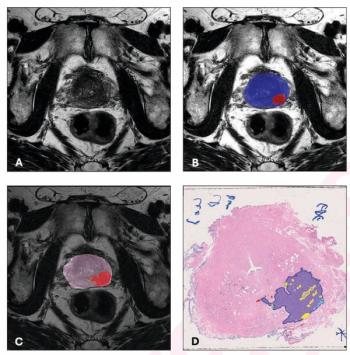
The use of adjunctive bpMRI-based AI led to 10 percent and greater increases in lesion-level PPV for csPCa and PCa with a threshold of PI-RADS > 3.
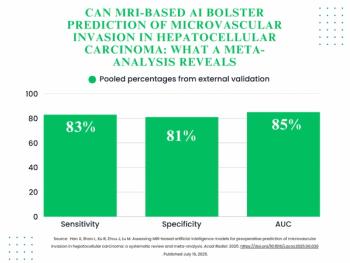
In external validation findings from a 29-study meta-analysis, MRI-based AI had a pooled AUC of 85 percent for preoperative prediction for microvascular invasion in patients with hepatocellular carcinoma.
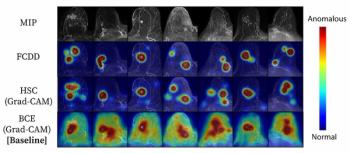
A fully convolutional data description (FCDD) model for identifying anomalies on breast MRI demonstrated an 84 percent AUC for detection tasks in a balanced cohort with a 20 percent malignancy prevalence and a 72 percent AUC for detection tasks in an imbalanced group with a 1.85 percent cancer prevalence.
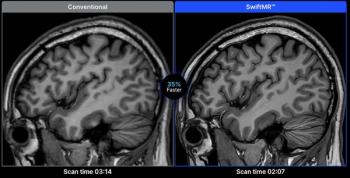
The updated capabilities of SwiftMR include personalized scan settings within the software, artifact reduction and cloud integration.
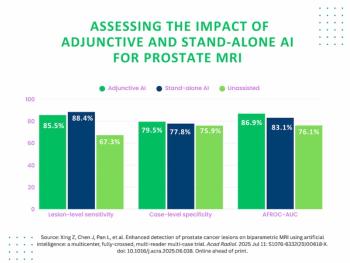
Emerging research revealed significantly enhanced sensitivity for prostate cancer detection with adjunctive and stand-alone use of AI.
Advertisement
Advertisement
Trending on Diagnostic Imaging
1
Leading Breast Radiologists Discuss the Recent Lancet Study on AI and Interval Breast Cancer
2
Is AI Better Than Neuroradiologists at Evaluating Aneurysm Growth on CTA and MRA Scans?
3
FDA Clears 3T MRI Device for Neonates and Infants
4
FDA Clears AI-Powered Triage Platform for Digital Breast Tomosynthesis
5