
Technology
Latest News

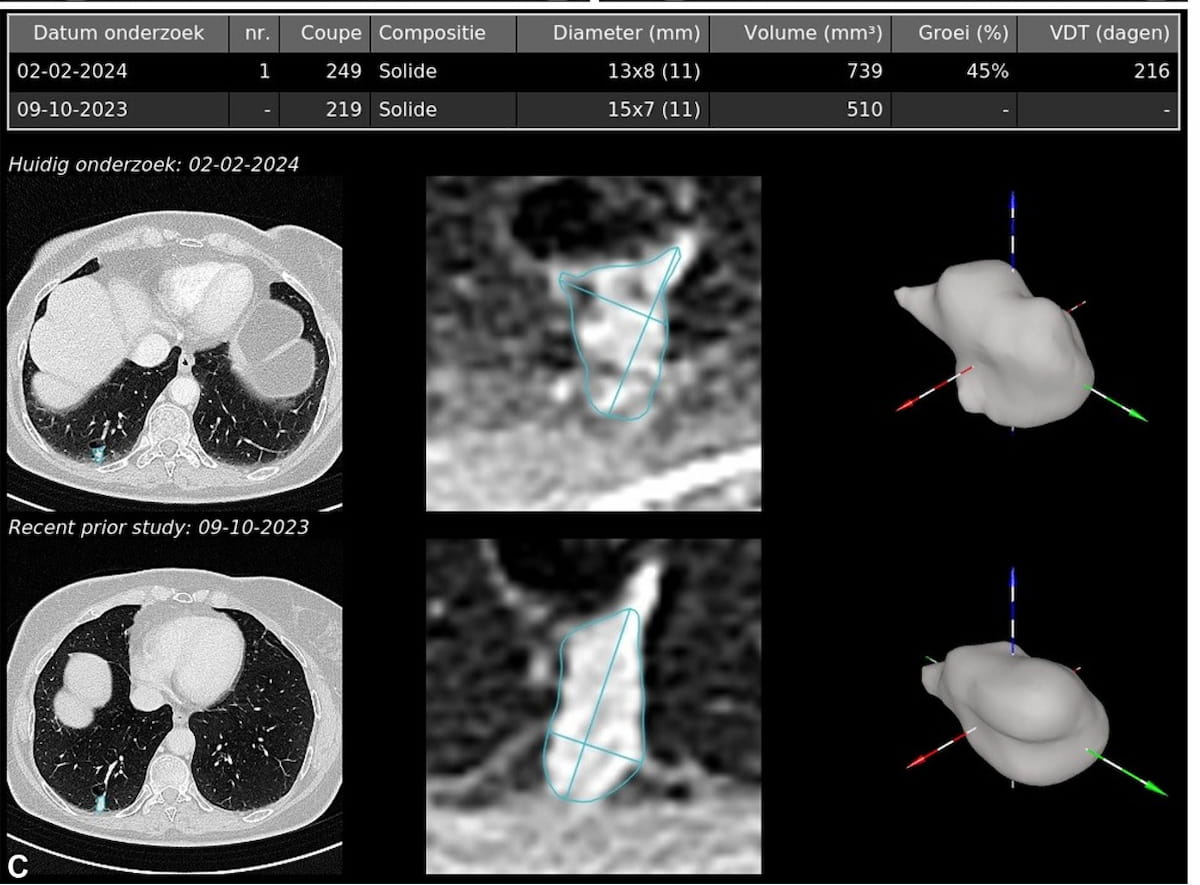
Study: Chest CT AI Software Facilitates Nearly 15 Percent Reduction in Reporting Time
By Jeff Hall
Advertisement
Latest Videos
Shorts

0:39
The Emerging Impact of AI-Powered Quantitative Analysis in Radiology
4 days ago
by
Christoph Wald, MD, PhD, MBA, FACR, Hon FRCP(Glasg)
0:59
Why CMS Won't Pay for AI Lung Nodule Detection on CT
6 days ago
by
Lauren Nicola, MD
0:44
Timely Access to Neuroimaging: One of the Biggest Challenges in Stroke Care
14 days ago
by
Arun Talkad, MD
0:53
How AI-Enabled Triage Helps Navigate Weekend Call Duties in Radiology
15 days ago
by
Raza Mushtaq, MD
0:39
The Urgent Need for Efficiency AI in Radiology
a month ago
by
Nina Kottler, MD, MS
0:29
Emphasizing Post-Deployment Analysis of AI Tools in Radiology
a month ago
by
Seena Dehkharghani, MD, FAHA
0:38
How AI Triage Efficiency Gains in Neuroradiology May Facilitate Improved Work-Life Balance
a month ago
by
Vivek Singh, MD
0:26
Screening Implications for AI Assessment of Coronary Inflammation from Non-Contrast CT
a month ago
by
Kenneth Chan, MBBS
0:50
How AI Can Provide 'Life Saving Information' Beyond MRI for Aneurysm Monitoring
2 months ago
by
Vivek Singh, MD

0:31
Can AI Help Decrease Data Fragmentation in Radiology?
2 months ago
by
Nina Kottler, MD, MS
Podcasts







Advertisement
More News
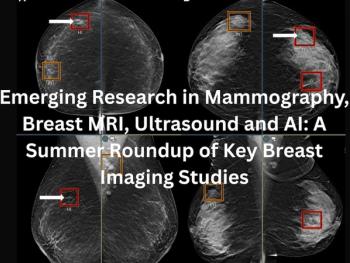
This summer's breast imaging research spanned digital breast tomosynthesis (DBT) efficiency gains, AI models that flag cancer risk years before diagnosis, a cautionary study on automation bias, and advances in ultrasound, MRI, and contrast-enhanced mammography (CEM). Here is a look back at the most well-viewed breast imaging content of the summer.
Catch up on the top AI-related news and research in radiology over the past month.
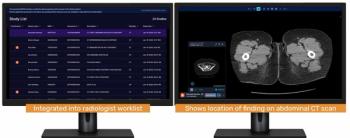
Use of the CARE Multi-Triage CT Body software will be eligible for a New Technology Add-on Payment (NTAP) from CMS starting on October 1, 2026 for inpatients in Medicare fee for service plans.
Catch up on the latest blogs from Filippo Cademartiri, MD, PhD, who discusses topics ranging from CCTA scan acquisition and photon-counting CT to artificial intelligence and assessment of current plaque as a biomarker for evaluating MACE risk.
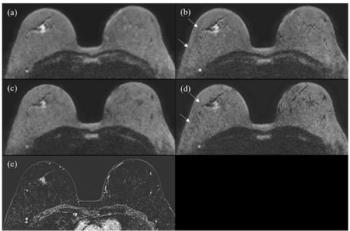
In comparison to standard readout-segmented echo-planar imaging, the combination of deep learning reconstruction and multi-shot diffusion-weighted imaging (DWI) offered significantly higher SNR, CNR and lesion contrast with a greater than a two-minute reduction in scan time.
Catch up on the top radiology content of the past week.
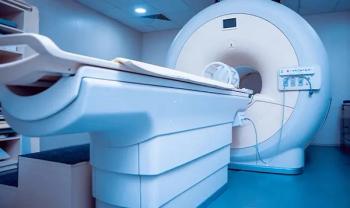
Noting the rising imaging volume and dearth of MRI scanner availability, the authors of a new literature review explore the utility and impact of workflow redesign, staff training, scheduling improvements and AI advances for enhancing MRI workflows.
Catch up on the latest episodes of our Breast Imaging in Focus series with Manisha Bahl, MD, MPH, FSBI, discussing research on a variety of topics including breast arterial calcification on mammograms, automated breast ultrasound, AI and GLP-1 receptor agonists.
New computed tomography (CT) research in July 2026 ranged from the ongoing impact of AI to significant declines in CT radiation dosing over the past decade to a growing recognition that coronary artery calcium (CAC) scoring alone may not be sufficient to convey a true picture of cardiovascular risk stratification.
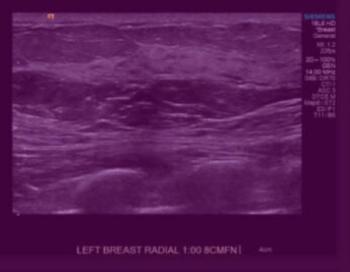
Combining automated lesion detection and characterization, the DeepHealth Breast Ultrasound software reportedly offers greater than 98 percent sensitivity for localizing breast lesions and reduces interpretation time for radiologists by 37 percent.
Catch up on the most-well viewed radiology content in July 2026.
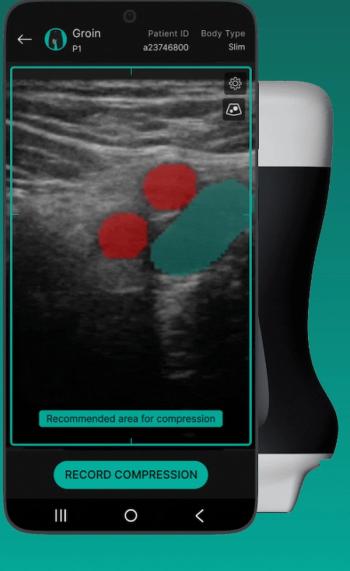
Utilization of the ThinkSono Guidance software app by non-ultrasound trained clinicians on point-of-care ultrasound devices reportedly facilitated diagnostic image quality in 87.1 percent of cases, according to recent research.
Catch up on the most well-viewed video interviews from Diagnostic Imaging in July 2026.
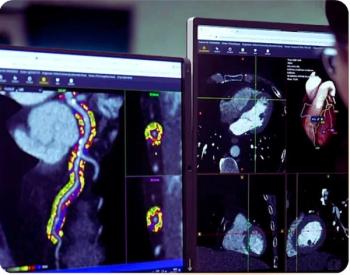
Recently presented research with the AI-powered CaRi-Heart software at the Society of Cardiovascular Computed Tomography (SCCT) conference found that assessments of advanced coronary inflammation with the software were linked to significantly higher cardiovascular mortality risks.
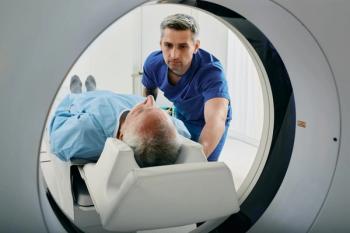
In comparison to findings from a similar study in 2014, the national volume computed tomography (CT) dose index (CTDLvol) declined by 9.3 percent, according to newly published research involving 5 million CT exams for over 2.8 million adults in 2025.
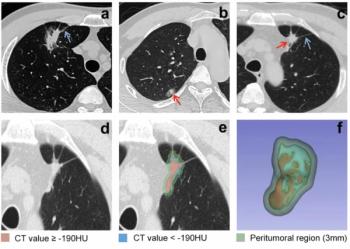
In an external test set from a recent study, a combined radiomic/deep learning model for intratumoral computed tomography (CT) threshold segmentation offered an 82.3 percent AUC and 95.4 percent sensitivity for predicting visceral pleural invasion in patients with lung adenocarcinoma < 30 mm.
Catch up on the top AI-related news and research in radiology over the past month.
Catch up on the top radiology content of the past week.
In a recent interview, Kenneth Chan, MBBS, discussed new research, presented at the recent Society of Cardiovascular Computed Tomography (SCCT) conference, that showed the impact of coronary inflammation in identifying elevated cardiovascular risk in patients with zero or low coronary artery calcium (CAC) scores.
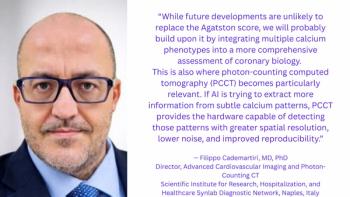
Advanced imaging with photon-counting CT and AI detection of subtle calcification may lead to a reevaluation of the power of zero with coronary artery calcium (CAC) scoring.
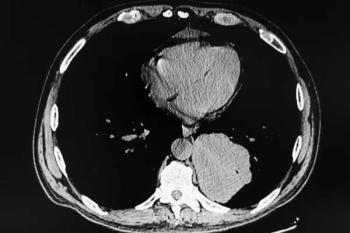
The HOPPR EF Chest CT Narrative Model reportedly provides narrative language describing pertinent findings across pulmonary, upper abdominal, cardiac, mediastinal and soft tissue regions with processing of 3D chest CT volumes.
In a recent interview, Vivek Singh, MD, discussed the practical realities of integrating AI into neuroradiology workflows, addressing challenges and concerns with implementation and potential automation bias, and emphasizing the importance of appropriate governance with AI tools and measurable outcomes in stroke imaging.
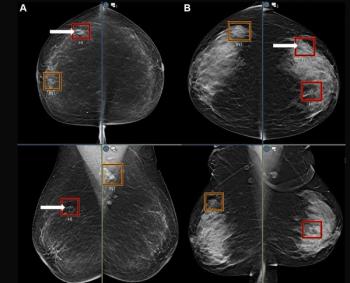
General radiologist assessment of mammograms with adjunctive AI led to a significant increase in cancer detection rate akin to that of breast imaging specialists, according to new research.
Catch up on the latest imaging research from the recent Society of Cardiovascular Computed Tomography (SCCT) conference.
Catch up on the top radiology content of the past week.
Advertisement
Advertisement
Trending on Diagnostic Imaging
1
MRI Research Reveals Strong Link Between Vascular Hyperintensity and Cerebral Edema in Patients with Acute Ischemic Stroke
2
Molecular Imaging in Focus: Can the Newly FDA-Approved PET Agent Floretyrosine F18 Have an Impact for Glioma Imaging?
3
The Shifting Power Dynamic in Radiology: Respect and Equal Footing with Referring Clinicians
4
Video: Stamatia Destounis, MD, FACR, Discusses Key Changes for the Updated BI-RADS System
5