Video: Stamatia Destounis, MD, FACR, Discusses Key Changes for the Updated BI-RADS System
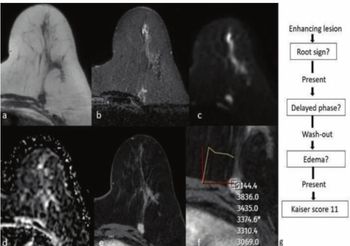
In a recent interview, Stamatia Destounis, MD, FACR, shared her perspective on recent changes to the BI-RADS system, offering insights on contrast-enhanced mammography, reporting changes for breast MRI and ultrasound, and the importance of auditing for BI-RADS category 3 assessments.
Stamatia Destounis, MD, FACR, says an audit of BI-RADS category 3 assessments may surprise a fair amount of breast radiologists.
“We know the criterion is less than or equal to 2 percent likelihood of malignancy to call something a (BI-RADS category) 3, and it's a wake-up call for many radiologists to find their BI-RADS 3 bucket running 20 percent or 30 percent. Really, the BI-RADS 3 category should be a very small part of your practice, and you need to audit it,” maintained Dr. Destounis, the managing partner of Elizabeth Wende Breast Care in Rochester, N.Y.
In a recent interview with Diagnostic Imaging, Dr. Destounis discussed
“Everybody had axillary lymphadenopathy and we were chasing our tails trying to figure out what to do with these patients. How long do we wait? When does the lymphadenopathy get better? Do we bring them back for follow-up? Are we supposed to biopsy all of them looking for lymphoma or primary breast cancer? So we learned a lot (and) we needed to put some management guidance here for radiologists on what happens when you see axillary lymphadenopathy,” explained Dr. Destounis, chair of the Breast Imaging Commission of the American College of Radiology.
Noting that the current BI-RADS v2025 system was five years in the making, Dr. Destounis said the electronic format of the BI-RADS manual should facilitate easier and more timely updates in the future, and she already has a few topics in mind.
“Hopefully we'll have a section on breast arterial calcifications since we're understanding more and more how meaningful they are for cardiovascular disease. Other contrast studies, molecular imaging, and other developments will come into play, I'm sure, as the literature supports it. I'm excited for what the next version will bring,” added Dr. Destounis.
Related to this article