
AI Coverage
3 days ago
Advances in AI — September 2026Latest News
Sep 28, 2026 | Feature
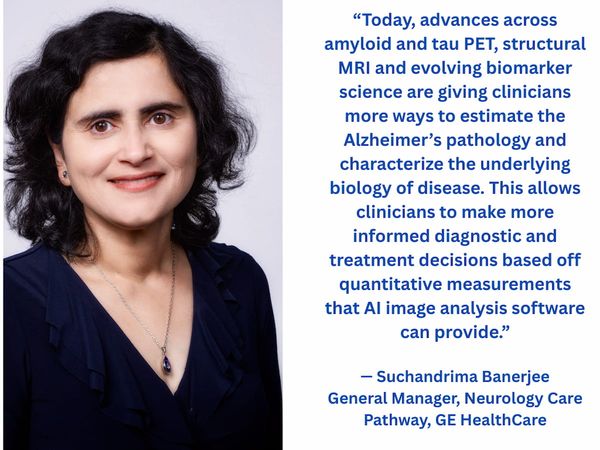
Radiology and Building the Alzheimer’s Care Pathway of the Future
Can Brain MRI Surveillance Alone Be Advantageous in Monitoring Cognition for Patients with SCLC?
Sep 28, 2026
The Grouser in the Radiology Reading Room
Sep 28, 2026
Radiology Roundup of FDA News: September 20 — September 26
Sep 27, 2026
Diagnostic Imaging's Weekly Scan: September 20 — September 26
Sep 26, 2026


Advertisement
Shorts
0:38
How the COVID-19 Pandemic Led to Updated BI-RADS Guidance on Addressing Axillary Lymphadenopathy
4 days ago
by
Stamatia Destounis, MD, FACR

0:32
A Key Advantage of FET PET Over MRI for Glioma Imaging
5 days ago
by
Thomas Hope, MD

0:29
The Multi-Stakeholder Dilemma with Assessing Value and Costs of AI Integration
6 days ago
by
Christoph Wald, MD, PhD, MBA, FACR, Hon FRCP(Glasg)
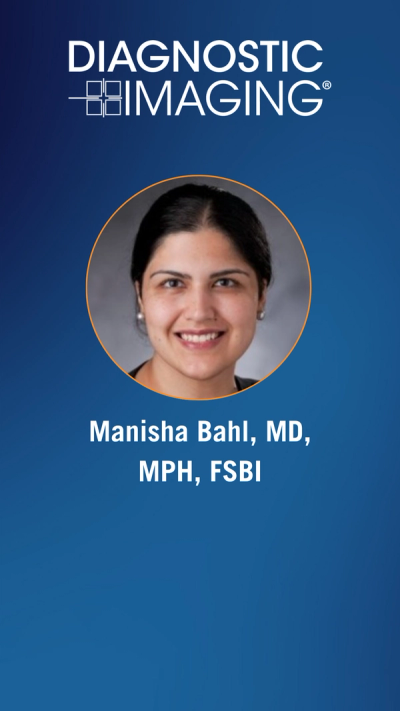
0:50
Five Takeaways for Breast Radiologists from Guidelines on Proliferative Breast Lesions with Atypia and LCIS
7 days ago
by
Manisha Bahl, MD

0:42
Emphasizing the Need for More Research on Indication-Based DRLs for CT Imaging
11 days ago
by
Kalpana Kanal, PhD

0:34
Where We Are Seeing Traction with AI Reimbursement for Quantitative Algorithms
12 days ago
by
Lauren Nicola, MD
0:53
Why the PET Agent Floretyrosine F18 is a 'Huge Step Forward' for Glioma Imaging
13 days ago
by
Thomas Hope, MD
0:39
A 'Wake-Up Call' for BI-RADS 3 Audits
14 days ago
by
Stamatia Destounis, MD, FACR

0:39
The Emerging Impact of AI-Powered Quantitative Analysis in Radiology
18 days ago
by
Christoph Wald, MD, PhD, MBA, FACR, Hon FRCP(Glasg)

0:34
Is Maturing Technology with CT Scanners a Key Factor with Reduced Radiation Dosing?
18 days ago
by
Mahadevappa Mahesh, MS, PhD, FAAPM, FACR
Podcasts
Videos














All News
Advertisement
Advertisement

In a recent interview, Shadpour Demehri, MD, discussed new research examining connections between deep learning assessment of bone mineral density on chest CT, brain MRI data and the potential for enhanced risk stratification in patients with diabetes.
Catch up on the top AI-related news and research in radiology over the past month.
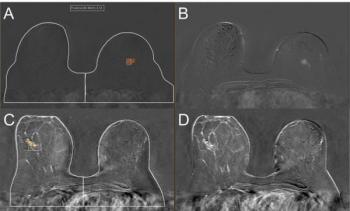
A deep learning model developed for predicting BI-RADS assessments from dynamic contrast-enhanced (DCE) breast MRI had over a 14 percent lower AUC than radiologist evaluation in external validation testing.
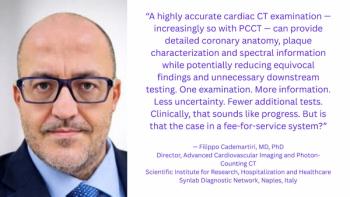
While better imaging may reduce the need for additional diagnostic tests, it may also eliminate the reimbursement that comes with those additional tests.
Offering telescoping and high-flow configurations, the TriNav Advance device reportedly provides interventional radiologists with improved access to small distal vessels during liver embolization procedures.
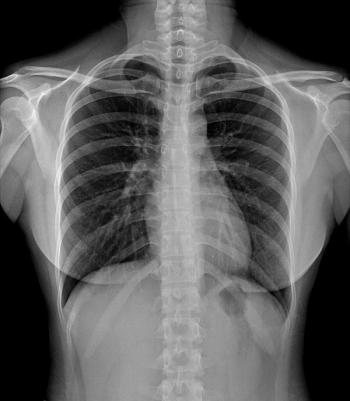
The CARE Chest X-Ray (CXR) Triage software reportedly bolsters consistent flagging of suspicious chest X-rays for lung collapse and pneumomediastinum across reviewing readers of different experience levels.

In a study involving over 700 participants who had chest CT and brain MRI, those with diabetes and lower vertebral bone mineral density (vBMD) had a nearly five percent faster total accumulation of white matter hyperintensity (WMH) in comparison to those without diabetes.
Indicated for the treatment of foregut, midgut and hindgut neuroendocrine tumors, the radiopharmaceutical Bravnetsa is reportedly bioequivalent and therapeutically equivalent to the previously FDA-approved Lutathera.
Newly cleared findings for the adjunctive AI platform a2z-Abdo-Triage include acute appendicitis, renal traumatic injury, ureteral stone and retroperitoneal hematoma.
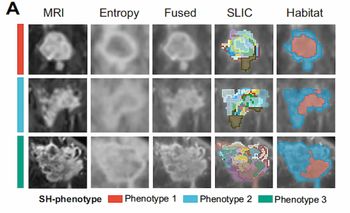
Can MRI-Derived Tumor Habitat Subregions Bolster Recurrence Risk Stratification in Stage 2 and 3 Breast Cancer Cases?
Published: | Updated:
In multivariable external testing, tumor structure habitat phenotypes from pre-treatment MRI revealed more than a doubling of recurrence risk for women with stage 2 and stage 3 breast cancer.
Advertisement
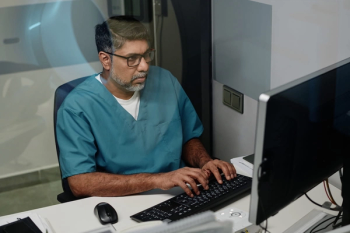
Could a la carte pricing be a consideration in improving revenue for radiologists in private practice?
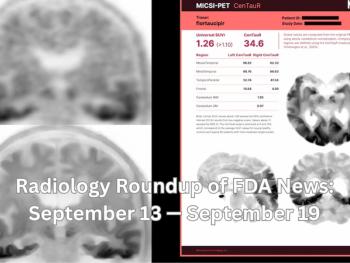
Catch up on a variety of FDA news in radiology from the past week.
Catch up on the top radiology content of the past week.
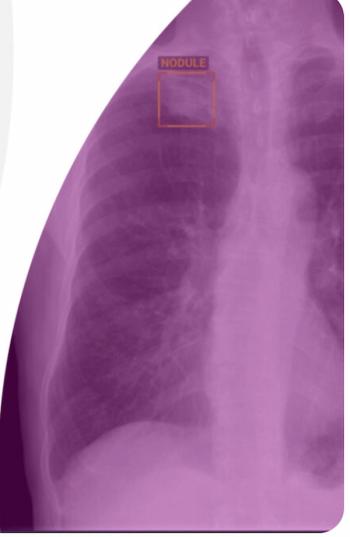
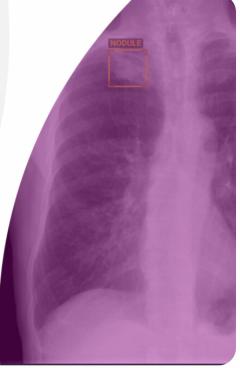
Reportedly one of the first FDA-cleared chest X-ray AI software platforms derived from a foundation model, the Chest Xray software facilitates detection and localization of lung nodules, pneumothorax, mediastinal abnormalities and other thoracic abnormalities.
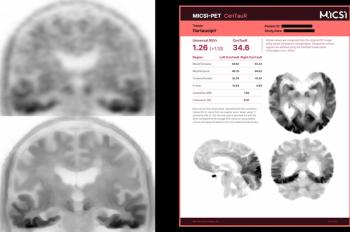
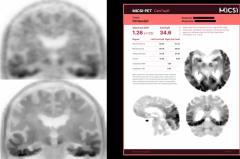
Incorporating structural MRI to improve PET imaging resolution, the MICSI-PET software also offers automated Centiloid quantification from amyloid PET scans.
Advertisement
Advertisement
Trending on Diagnostic Imaging
1
What New CT and MRI Research May Reveal About Bone Loss, Diabetes and Cognitive Decline
2
Can Brain MRI Surveillance Alone Be Advantageous in Monitoring Cognition for Patients with SCLC?
3
Radiology Roundup of FDA News: September 20 — September 26
4
The Grouser in the Radiology Reading Room
5