The Grouser in the Radiology Reading Room
Constant grumbling from an attending radiologist about the road ahead may be a sign that his or her best teaching years may be in the rear-view mirror.
This story comes courtesy of radiology social media. Some “senior attending” rad spoke against accepting new residents on the grounds that they won’t be able to compete with AI by the time they graduate. He considered it a disservice to bring anyone into a four-plus year course of training without any light at the end of that tunnel.
As one of the first commenters put it, nobody has a crystal ball that would reliably tell the future but most of the responses laughed off the senior attending’s premise. A lot of us have come to believe that these doom-and-gloom AI posts are often trolls, if not bots.
My two cents was that the attending was partially right: He personally should have no contact with new trainees. They don’t need that kind of “guidance” at the dawn of their careers.
I suspect that rad saying such things is likely to share his doomcasting with anybody in earshot, in part because I have seen his ilk many times. This is not just in radiology nor is it specifically pertaining to AI or any other uncertain future. These folks just can’t help themselves and many don’t even want to do so.
Most of the time, that is self-correcting. It is like someone with perpetually bad breath. Once you recognize he is never going to be pleasant to be around, you avoid him. Maybe you are kind and try to help him improve, but if he doesn’t take that ball and run with it, you are under no obligation to stick around and endure what he is emitting.
That is not really the case for a newbie radiology resident. They don’t typically have choices about who they are sitting with in the reading room for days at a time.
House staff are, of course, not children, and know that personalities differ. Not everybody can be Dr. Sunshine. After med school and internship, they even know that some attendings are more capable physicians and better instructors than others.
However, you wouldn’t knowingly put such impressionable, ready-to-learn minds in the tutelage of a blatantly incompetent rad, would you? You certainly wouldn’t have them with someone who was physically abusive. Why then place them with someone who is going to demoralize them from day one?
Moreover, if the attending expresses an aversion to teaching — on account of AI-phobia or anything else—why force him or her to teach? Maybe it is time to move the attending to some outpatient imaging center away from the hospital where residents don’t rotate.
I know things aren’t totally black and white. Maybe the aforementioned senior attending has only gradually come around to this way of thinking. Just because he piped up with this thought, perhaps on a bad day, it’s not necessarily time to send him off to the radiology gulag.
Still, at the very least, it would be an opportunity to have a chat with the guy. Hey, doc, is that really how you feel or were you just venting a bit? Would you prefer to move away from teaching the newer residents or are you souring on the whole mentoring thing?
It has been a few decades since I was in an academic setting, so I really don’t know. What are the current mechanisms for checking on how radiology staff comport themselves in the teaching-attending role? The last I saw, it was just feedback paperwork from residents going through each rotation. I have no idea who actually read the stuff or what was done with it.
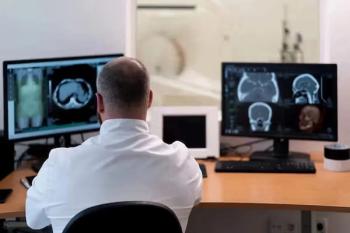
Would a new radiology resident recognize or even feel comfortable reporting that an attending was filling the reading room with grousing instead of teaching? Maybe the resident would mistake it for valuable insight into the field. We used to talk about some attendings dispensing “black pearls” of not-wisdom. A trainee may not necessarily know the difference and might dutifully learn the false little nuggets like the gospel truth.
I would like to imagine that other attendings keep eyes and ears open enough that they would notice a problematic grouser. You might share a reading room with them on some days or just overhear them as you pass by. Hopefully, a decent proportion of teaching hospital staff would care enough to do something about it, not necessarily confronting the individual on the spot, but at least circling back to him or her later on (or the head of the attending’s section/department).
Maybe it is because I have just done another couple of obligatory “mandated reporter” training modules, but we are legally on the hook for recognizing and reporting abuse/neglect. Shouldn’t this sort of thing be in the same spirit?
Related to this article