
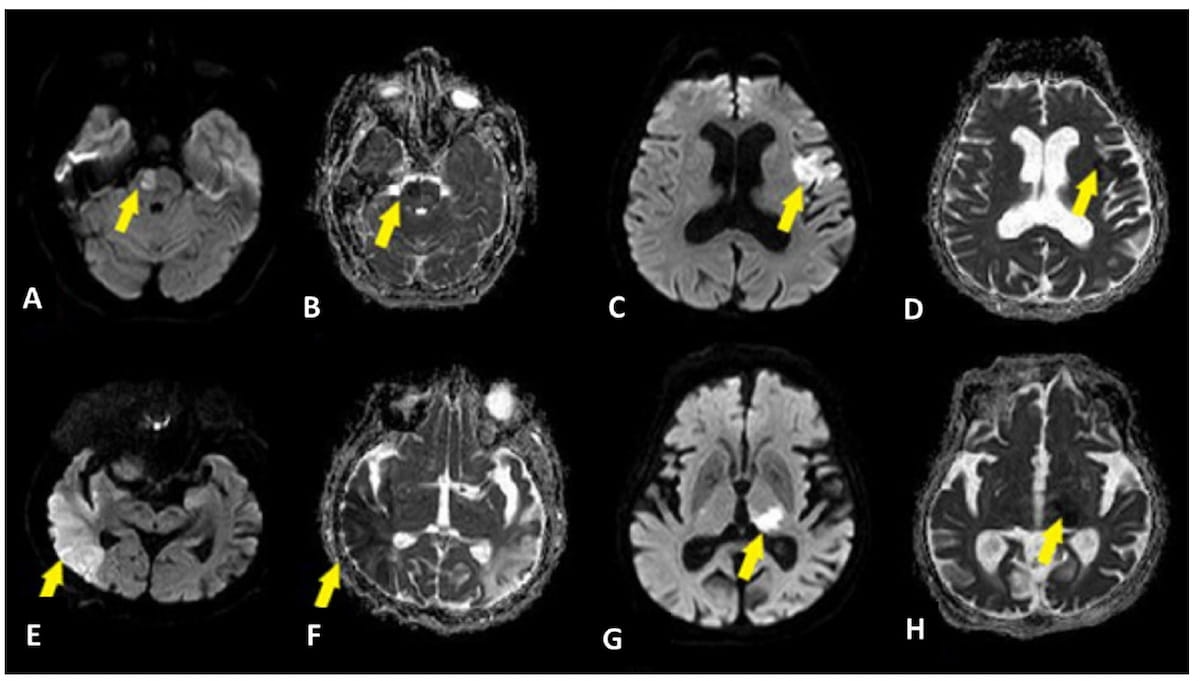









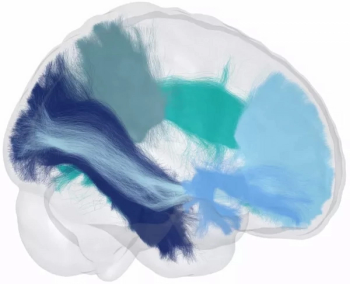
Through automated processing of diffusion-weighted magnetic resonance imaging (MRI) scans, the Advanced Neuro Diagnostic Imaging (ANDI) software performs detailed analysis of white matter microstructure.
Through automated processing of diffusion-weighted magnetic resonance imaging (MRI) scans, the Advanced Neuro Diagnostic Imaging (ANDI) software performs detailed analysis of white matter microstructure.
Catch up on the top radiology news of the past week.
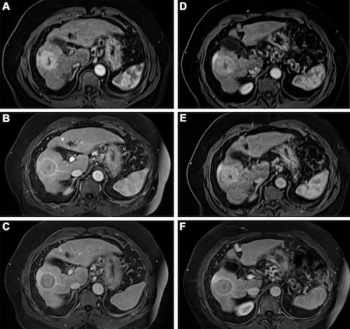
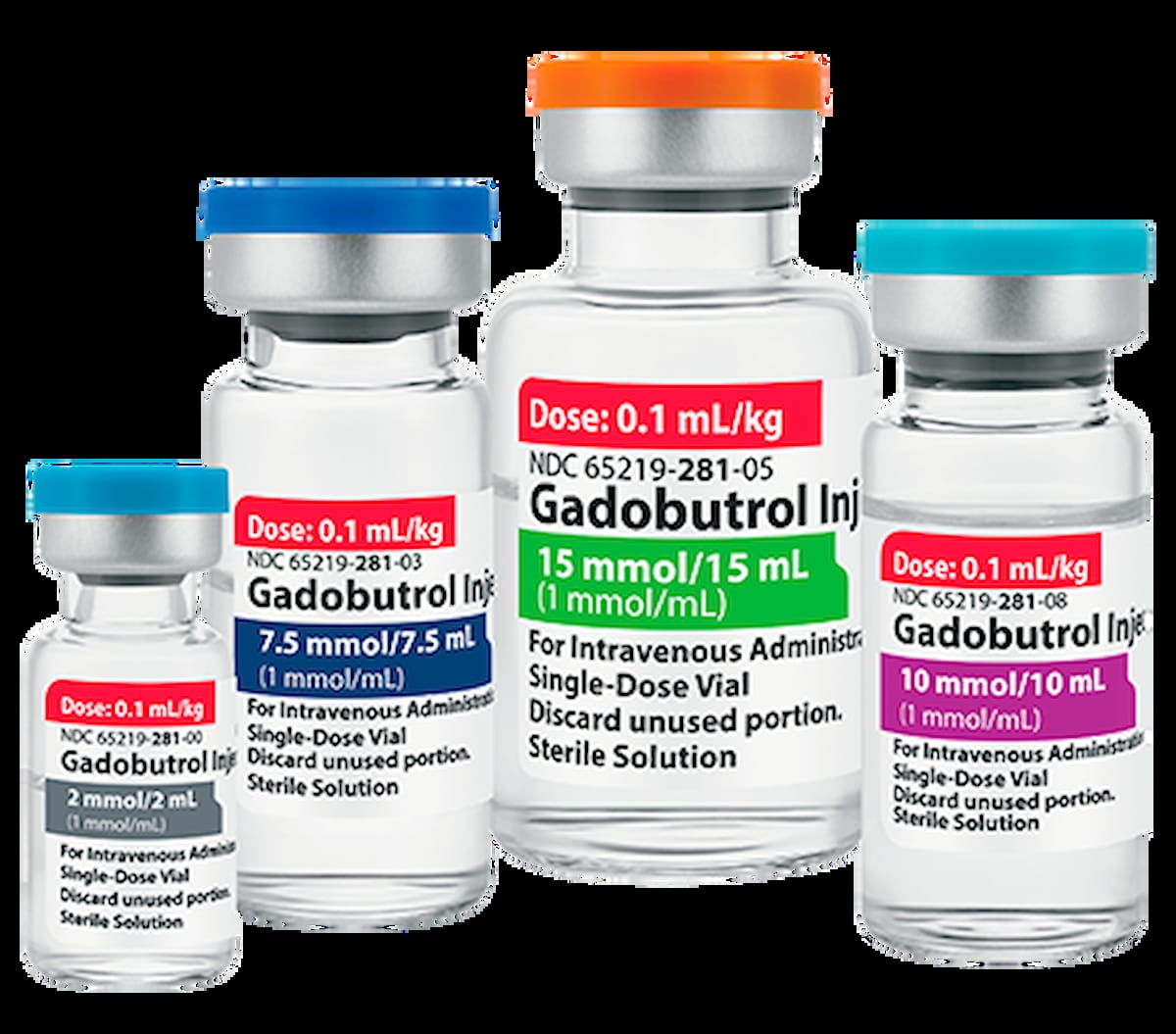
Newly published research suggests the use of gadopiclenol at 0.05 mmol/kg is non-inferior to gadobutrol 0.1 mmol/kg for all qualitative visualization parameters on full-body magnetic resonance imaging (MRI).
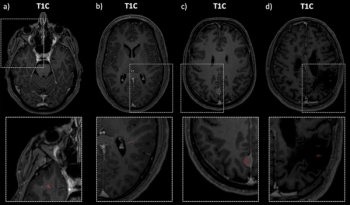
An artificial intelligence model, trained on MRI and FLAIR imaging from over 900 patients with multiple sclerosis, demonstrated a 96 percent accuracy rate and 99 percent specificity rate for contrast-enhancing lesions in this patient population.
Superfluous pan scans have become standard for a vast majority of minor injury presentations in emergency room settings.
Catch up on the top radiology content of the past week.
Reportedly receiving the first Current Procedural Terminology (CPT) III code from the American Medical Association (AMA) for artificial intelligence (AI)-enabled brain magnetic resonance imaging (MRI) software, Icometrix says its adjunctive quantification software can be utilized for diagnosis and assessment of conditions ranging from Alzheimer’s disease and epilepsy to stroke and dementia.

Catch up on the top AI-related news and research from the past month.
Catch up on the top radiology content of the past week.
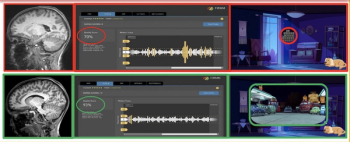
FIRMM-pix, a brain magnetic resonance imaging (MRI) software module recently launched at the International Society for Magnetic Resonance in Medicine (ISMRM) conference, reportedly employs visual biofeedback and gamification that coaches patients to stay still during brain MRI exams.
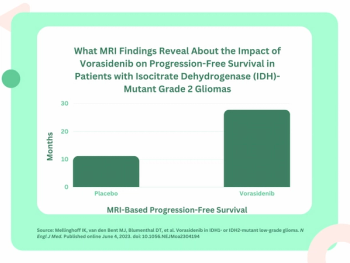
For patients with residual or recurrent grade 2 isocitrate dehydrogenase (IDH)-mutant gliomas, magnetic resonance imaging (MRI) revealed that daily dosing of vorasidenib, an inhibitor of mutant IDH1 and IDH2 enzymes, led to a median progression-free survival of 27.7 months in comparison to 11.1 months in a placebo group, according to new research presented at the 2023 American Society of Clinical Oncology (ASCO) Annual Meeting in Chicago.
Catch up on the top radiology content of the past week.
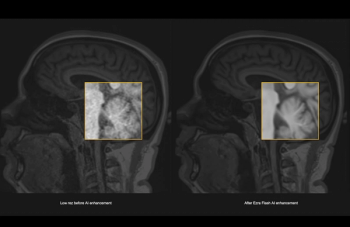
The artificial intelligence (AI)-powered Ezra Flash reportedly enhances magnetic resonance imaging (MRI) and enables significant reductions in scan times and costs for full-body MRI.

Conditional use of full-body magnetic resonance imaging (MRI) is reportedly permitted for patients using any of the models for the remede® System, an implantable nerve stimulation therapy indicated for the treatment of adults with moderate to severe central sleep apnea.
Catch up on the top AI-related news and research from the past month.

Catch up on the top radiology content of the past week.
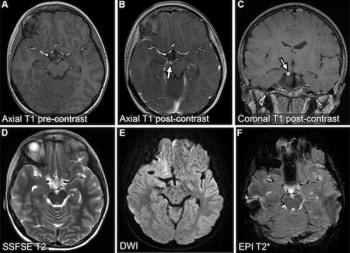
In a recently published review, radiology researchers from the University of Wisconsin discussed the potential and key considerations for applying accelerated magnetic resonance imaging (MRI) protocols in the assessment of emergent and urgent conditions.
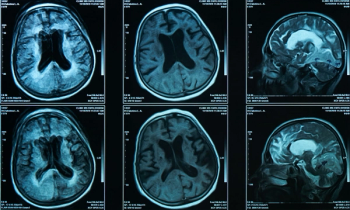
Through artificial intelligence (AI), Neurophet AQUA reportedly provides segmentation and analysis of brain magnetic resonance imaging (MRI) for possible brain atrophy in five minutes.
Catch up on the top radiology content of the past week.
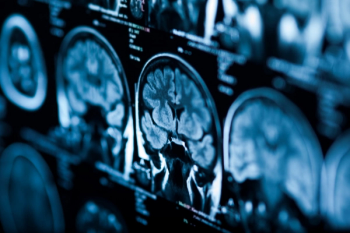
The artificial intelligence (AI)-powered Neuro Suite reportedly enables radiologists to access leading neurological AI algorithm solutions in the field, including the brain magnetic resonance imaging (MRI) segmentation capabilities of the Combinostics’ algorithm that can help differentiate degenerative pathologies such as Alzheimer’s disease and dementia.
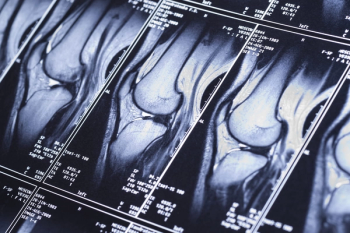
Researchers suggested that overnight use of a power-save mode on outpatient magnetic resonance imaging (MRI) devices in the United States could reduce annual energy consumption by 76,288.2 megawatt hours (MWh) and add up to $10.7 million in cost savings.
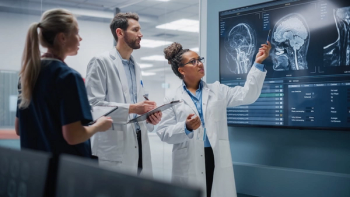
Lamenting a lack of control over imaging requests from referring clinicians, this author suggests that a more collaborative approach between referrers and radiologists may facilitate more efficient use of imaging.
Catch up on the top radiology content of the past week.
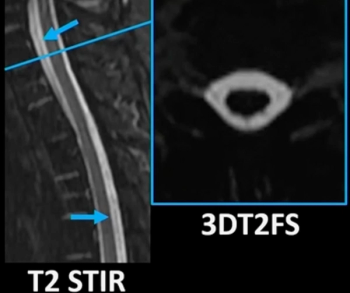
In a recent lecture at the American Roentgen Ray Society (ARRS) 2023 Annual Meeting, Andrew Callen, M.D., discussed a variety of imaging features associated with cerebrospinal fluid (CSF) leaks, the diagnostic utility of the Bern score as well as the merits of 3D T2FS MRI and dynamic computed tomography myelography.
Catch up on the top radiology content of the past week.