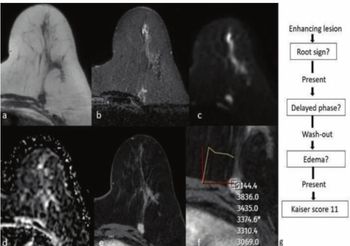
In a recent interview, Stamatia Destounis, MD, FACR, shared her perspective on recent changes to the BI-RADS system, offering insights on contrast-enhanced mammography, reporting changes for breast MRI and ultrasound, and the importance of auditing for BI-RADS category 3 assessments.
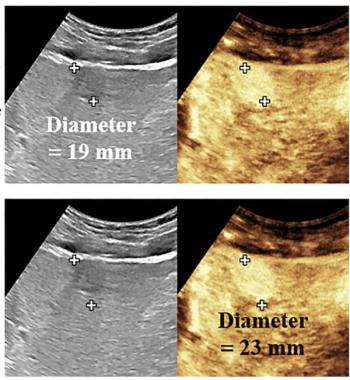
This summer's breast imaging research spanned digital breast tomosynthesis (DBT) efficiency gains, AI models that flag cancer risk years before diagnosis, a cautionary study on automation bias, and advances in ultrasound, MRI, and contrast-enhanced mammography (CEM). Here is a look back at the most well-viewed breast imaging content of the summer.
In the second of a two-part podcast episode, Lauren Nicola, MD, Christoph Wald, MD, PhD, MBA, and Peter Shen discuss challenges with evaluating value and ROI for AI software, the physician time required to do so, and possible solutions to facilitate improved clarity and consistency with AI reimbursement.
In the latest episode of her “Breast Imaging in Focus” series, Manisha Bahl, MD, MPH, FSBI, offer pertinent takeaways for breast radiologists from recently issued guidelines for addressing proliferative breast lesions with atypia and lobular carcinoma in situ (LCIS).
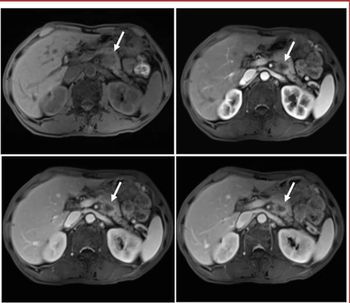
In a study involving over 2,800 people who had brain MRI scans, researchers found that people in the most disadvantaged neighborhoods had 37 percent higher white matter hyperintensity volume (WMHV) on average in comparison to people in the least disadvantaged areas.