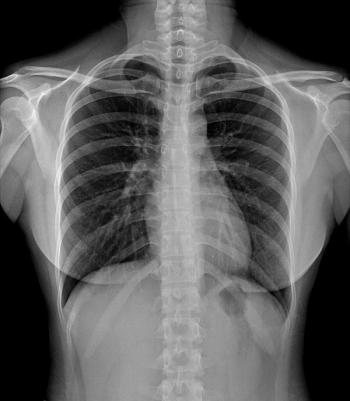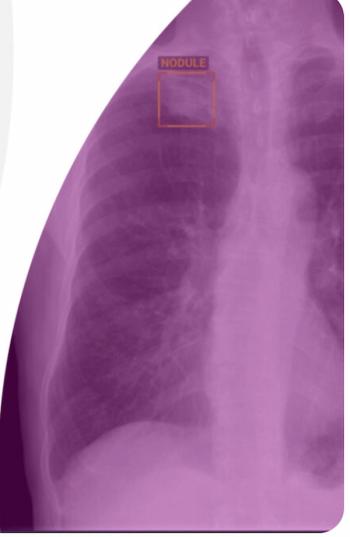
Catch up on a variety of FDA news in radiology from the past week.
GLIDE Technology ™ is designed to provide individualized, motorized assistance to X-ray technologists, potentially reducing injuries and shortening exam time.
X-ray technologists could soon experience fewer work-related injuries thanks to new technology released for sale recently by Shimadzu Medical Systems USA.
Throughout the industry, shoulder injuries top the list for the most common injuries these imaging professionals experience, followed closely by back and wrist problems. Most of these issues are due to the physical exertion needed for a technologist to maneuver the X-ray equipment that is mounted in the ceiling.
For more coverage based on industry expert insights and research, subscribe to the Diagnostic Imaging e-Newsletter
To prevent such injuries and potentially shorten exam times, Shimadzu announced the North American sales release of its RADspeed Pro style edition with GLIDE Technology™ that is designed to reduce the physical burden on technologists. Specifically called POWER GLIDE™, the tool can instantly sense the force exerted by a technologist, calculate how much assist-force is needed, and activate the motor in real-time. Consequently, company representatives said, the experience is individualized for both large movements and detailed positioning adjustments.
According to company information, the GLIDE VIEW ™ technology is available in mobile X-ray systems and GLIDE ASSIST™ can be found in patient-side R/F systems.