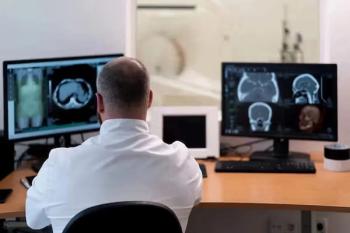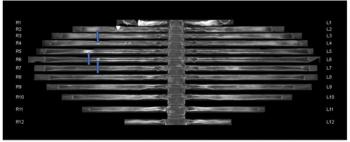
The use of adjunctive CT bone reading software in women with breast cancer detected between 8 to 22 percent more metastatic lesions for reviewing radiologists and reduced CT interpretation time by 50 percent or more, according to a new study.
Imagers face responsibility for ensuring appropriate use and safety of patients
One of the biggest mistakes made by specialists is overuse of CT in pediatrics, according to Dr. Donald Frush, chief of pediatric radiology at Duke University. As critical as multislice CT can be in evaluating pediatric patients, it's not the right tool all the time.
In a review of the top mistakes imagers make in pediatric CT imaging, Frush cited overuse as number one during a presentation at the Stanford Multidetector-Row CT symposium in San Francisco.
"Implicit in every CT procedure is an agreement that it is indicated," Frush said. "But 30% to 40% of CT exams have questions about indications. Ultimately, we are responsible for the use of CT, for obtaining diagnostic examinations, and for the safety of our patients."
The problem is not easily addressed, he said, acknowledging the lure of new devices combined with radiology business pressures. But ensuring that scans are designed to answer specific clinical questions is one way to reduce overuse.
Changes in technique and protocol can help counter other common mistakes in pediatric practice. Frush sees poor contrast enhancement as one of these.
Frush also sees overuse of multiphase exams in pediatric practice. At Duke, only about 5% of all body MSCT exams in children are multiphase. But the average he sees in outside practices is 31%.
Pediatric exams typically use kVp values that are too high, Frush said. He recommended considering 80 to 120 kVp in chest, musculoskeletal, and CTA studies.
Another common mistake is failure to anticipate the need to perform reformations. To ensure best image quality when scanning for causes of abdominal pain, obstructions, and airways and in CT angiography, imagers should use the thinnest detector configuration possible, Frush said. Thin slices with a 30% to 50% overlap abet optimal reconstructions.
Pediatric patients should be prepared properly by sedating when necessary and then scanned quickly, Frush said. He recommended using intravenous contrast, which carries a low risk in pediatric populations, when indicated but particularly for abdominal pain. Adjusting dose protocols depending on organ systems is also helpful.
"Chest, MSK, and CTA are all amenable to lower dose scanning because they are intrinsically high contrast," Frush said. "Think about dose thresholds. How much do you really need?"
Stay at the forefront of radiology with the Diagnostic Imaging newsletter, delivering the latest news, clinical insights, and imaging advancements for today’s radiologists.
Subscribe