
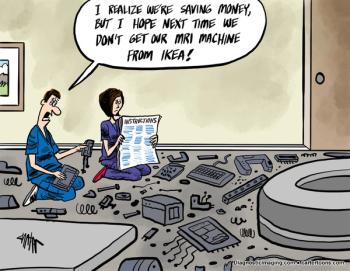
Saving money is one thing, but this is ridiculous.
Saving money is one thing, but this is ridiculous.

Further large-scale investigations regarding efficiency of the messaging system are warranted.
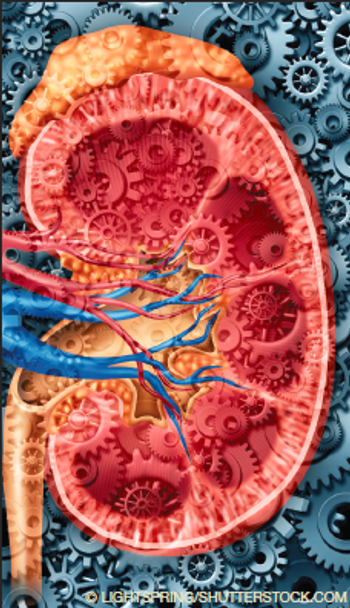
Patients on hemodialysis had significantly higher DN and GP signal intensity increase.

Errors are often corrected before notes are signed.

We’ve reached a point where many in the industry wonder how mergers are working and what impact it’s having on the profession and patient care.

A total of 35 percent of cancers diagnosed after second-opinion review were not initially detected in the original interpretation.
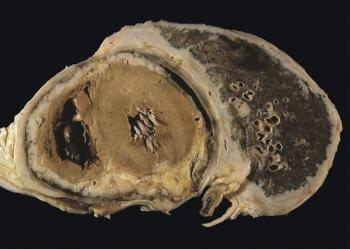
Looking for the most common answer in a scan can ultimately delay a proper diagnosis.
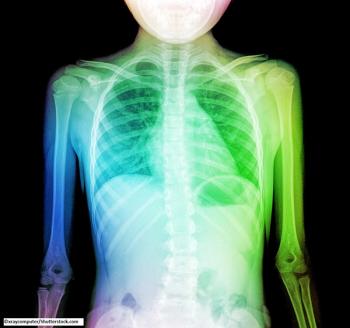
Pediatric patients were more likely to consume prescribed dose of Breeza than barium sulfate suspension.
Radiologists are in a perfect position to be the most skilled at consulting patients during the informed-consent process
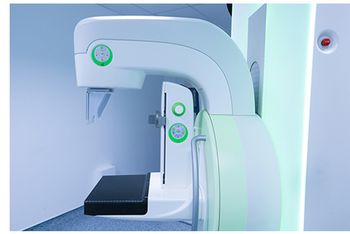
Whether you’re in a stand-alone imaging center or part of a hospital-based group or department, you’ll face the same problem eventually-the need to purchase equipment.
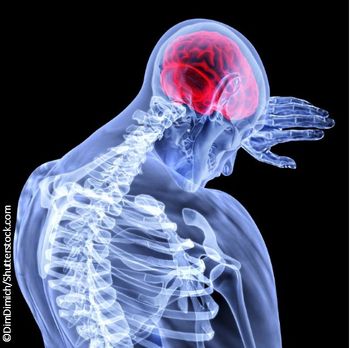
Researchers say smoking and diabetes likely have link to brain calcifications.
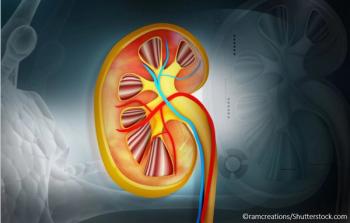
Magnetic resonance imaging shows changes in cerebral blood flow among children with CKD.
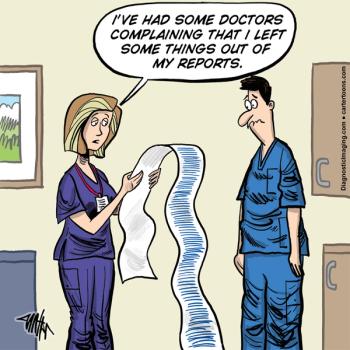
When doctors complain reports don't include everything, the only thing a rad can do is comply.
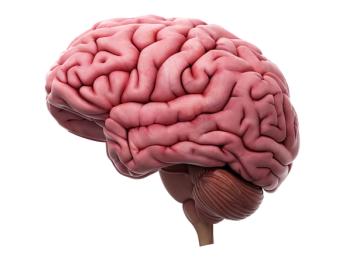
There is high diagnostic accuracy when grading gliomas with dynamic contrast material–enhanced (DCE) and dynamic susceptibility contrast (DSC) MR imaging.
The number of approved Interventional Radiology residency positions continues to increase every year, and the match rate for positions was 100 percent in 2018.
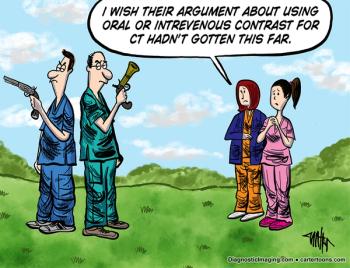
CT contrast disputes may be getting too serious.

In order to see more and better outcomes, provider organizations must build their strategies through applying best practices.

What they tell you can make the difference between success and failure.

Machine learning will help radiologists improve patient care-eventually.

Advanced imaging needs protocols, say leaders.

The drop in screening mammography after 2009 coincides with publication of the USPSTF screening guidelines.
The Bach model, PLCOM2012, LCRAT, and LCDRAT most accurately predict risk and performed best in selecting ever-smokers for screening.
More students are interested in the specialty thanks to greater exposure efforts.
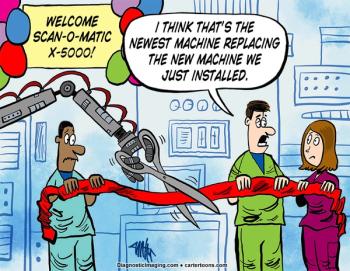
Technology is advancing so fast that only the machines can keep up with it.
The number of female radiologists in the US varies considerably depending on geography.

The labor market is tight, so finding the right fit takes longer today than it did in the past.
The number of adverse events related to contrast-enhanced CT are not statistically different between patients who fasted or who ate beforehand.
Either automated or clinical BI-RADS may be used to inform women of their breast density.
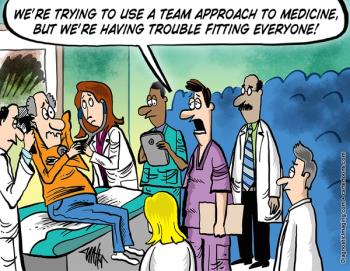
Team medicine is great, as long as you don't get carried away.
Diffusion-weighted imaging after carbon monoxide poisoning may help physicians identify patients at risk for delayed neurological sequelae.