
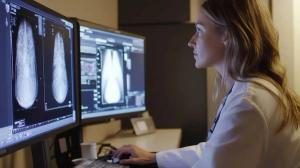
Despite increase in referrals for mammography screening for high-risk women, actual screening numbers did not increase significantly.
Despite increase in referrals for mammography screening for high-risk women, actual screening numbers did not increase significantly.

A look at what radiologist and patient factors play a role in false-positive mammography.

The challenges radiologists face in the transition to value-based care.
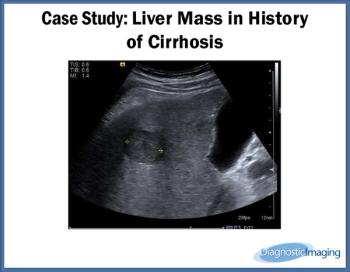
Case History: Patient in his 50s with history of cirrhosis and known mass on liver.
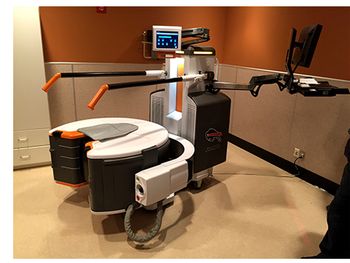
At AHRA 2015, Carestream showcased their investigational cone beam CT, but they’re not selling it to only radiologists.

Be prepared for your biggest radiology competition.

CT scans for children with head injuries from sports should not be routine practice.
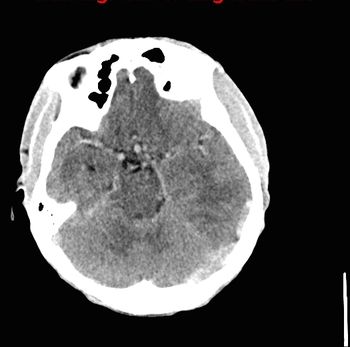
33-year-old male with history of cyanotic congenital heart disease status post multiple palliative cardiac surgeries.
This edition of the Business of Radiology series focuses on analytics in radiology.
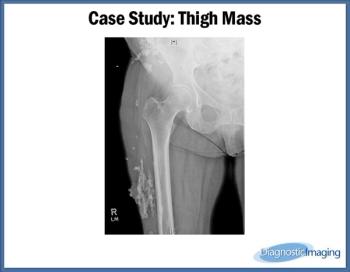
Case History: Woman in 7th decade of life presents with right lateral thigh mass.

Tips for radiology practices on preparing for new legislation and avoiding reimbursement cuts.

Imaging patients is more costly when they move.

Patients who smoke and undergo early lung cancer screening may not feel the need to stop smoking.

This Q&A series explores radiology’s role in overdiagnosis in a variety of conditions. Here, we discuss osteoporosis.
Ankle radiographs not always needed among some children presenting with acute ankle injury.

Tools to help radiology residents get information on fellowships.
It looks cloudy in the reading room.
Medical schools around the country are using different strategies to get students interested in radiology.

Multi detector computed tomography for autoimmune pancreatitis may not provide fully accurate diagnosis if abnormalities are detected.
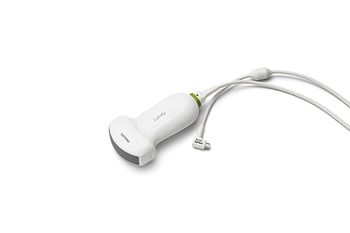
Philips introduces mobile, app-based ultrasound.
A diagnostic radiology residency director discusses why interest in radiology has waned, and what can be done about it.
Mammography screening detects small cancers without affecting large breast cancer detection rate or mortality from breast cancer.

Nothing like a little serenade.

The ACA survives for now; radiology can now put all of its focus on proving value.
Three residency program approaches for teaching radiologists to be leaders.

Performing routine abdominal and pelvic CTs does not increase detection of cancer among patients with unprovoked venous thromboembolism.

Strategic moves can help make Stage 2 Meaningful Use an easier transition.

Inappropriate imaging is still performed among asymptomatic women with stage I or II breast cancer in Ontario.
Clinicians were more likely to discuss breast cancer screening issues with patients following an educational intervention.
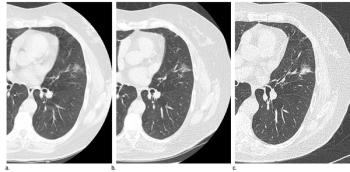
Low-dose CT observation of nonsolid lung nodules is safe.