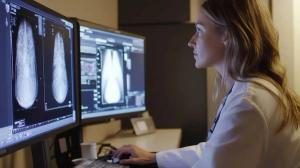

The latest KLAS report shows that providers who chose the more cost-effective options for CT scanners are happy with the products.
The latest KLAS report shows that providers who chose the more cost-effective options for CT scanners are happy with the products.
Physicians and radiologists should clearly communicate risks and benefits of imaging procedures, especially for pediatric patients.
Innovative radiology monitors, like the LCD screen, provide better quality images.
Magnetic resonance imaging is an effective alternative to ultrasounds and CT scans in diagnosing pediatric appendicitis.
Clinical decision support tools can help standardize best practices for radiologists and patients.
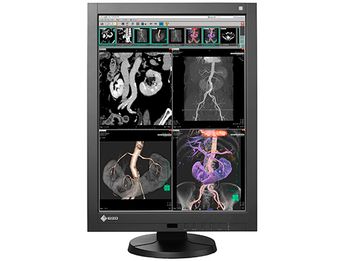
Check out some of the technological advances in radiology monitors.
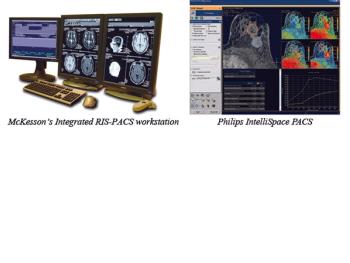
Keeping up with the changing technology of PACS can be difficult, we highlighted what your radiology practice should keep in mind.
Medicare should fully cover low-dose CT lung cancer screening as per the USPSTF recommendations for high-risk patients.
My training in hypnosis has made me a better radiologist, but you don’t have to be a hypnotist to increase patient satisfaction.
Didactic module helps prepare clinicians for managing adverse reactions to media, more training still needed.
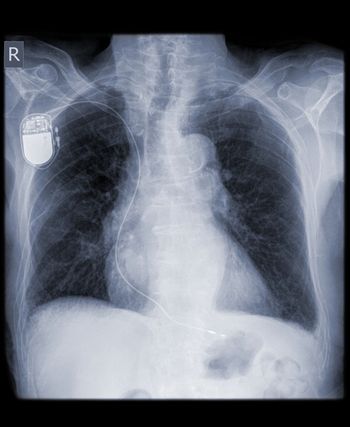
Study provides no additional evidence supporting 2008 FDA advisory that warned CT scans potentially interfere with CRM devices.
Fluoroscopic time and contrast media volume were significantly reduced when fellows received one year of formalized training.
Imaging Forward campaign highlights technological advances in medical imaging and impact on patient care.
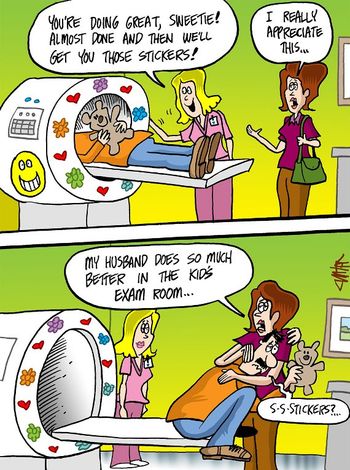
Patient fear of MRI is widespread.
Low-dose CT community-based lung cancer screening program effective and feasible.
Here’s how one radiology department improved their work flow using a free software solution that prioritized cases, easing the stress for referrers and radiologists alike.
More radiology tests found to be of low-value in the emergency room.

iPads are used mostly by younger radiologists and residents for reading and accessing educational material - not for clinical workflow.
New MRI technique allows for accurate assessment of tumors in children without the radiation exposure of PET/CT scans.
Capturing data on CT radiation doses from RIS/PACS databases was more accurate and cost effective than self-reported survey data.
Patients who underwent CT with or without contrast had similar rates of acute kidney injury, showing contrast use isn’t associated with nephropathy.
Using bedside ultrasounds in the emergency department is an effective method to diagnose appendicitis in children, reducing the need for CT scans.
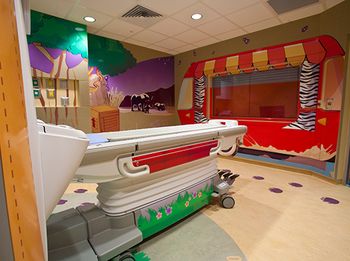
Pediatric imaging centers are becoming more kid friendly with elaborately decorated rooms and scanners. The result? Happy patients and potentially no sedation.
Magnetic resonance imaging scanners are getting older, but the majority of imaging facilities are not yet seeking to replace them.
Screening mammograms for women in their 40s may result in earlier high-risk breast cancer diagnosis, less chemotherapy, and lower future risk of subsequent breast cancer.
Magnetic resonance images that track developmental changes in a child’s brain may allow clinicians to predict future cognitive performance.
New radiologists have more competition for jobs now, particularly during certain times of the year.
VIDEO - New radiologists out of training and just joining a practice should understand the business side of the industry. Jonathan R. Medverd, MD, explains.
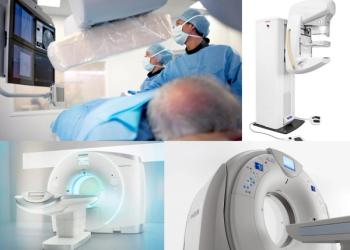
From lower dose to quieter, faster scans, technologies that enhance patient safety and experience will take center stage this year.