

What started as a small industry trend is growing into a mandatory best practice for radiologists.
What started as a small industry trend is growing into a mandatory best practice for radiologists.

Clinical data provided to radiologists via electronic health records can have a significant impact on radiological interpretations.
Fewer ultrasounds and biopsies were seen for women referred for breast tomosynthesis after recall for focal asymmetric density following screening mammography.
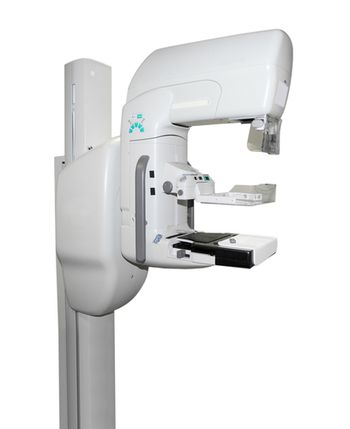
Radiation risk from mammography may be overestimated by women who may then avoid undergoing the screening examination.
Using automated dose tracking software allows clinicians to monitor the radiation doses used in the clinical setting.
Ultrasound remains most sensitive imaging modality when diagnosing placenta accreta.
The now FDA-approved angiography system by Siemens Healthcare has been optimized for extensive clinical utilization.
Women treated with chest radiation as children have an increased risk for developing breast cancer later in life, a study says.
Placement of the female breast by keeping a bra on during chest CT did not negatively influence CT imaging quality.
MEDCAC decided yesterday that there was not enough evidence to make the recommendation.
GE Healthcare’s Vizamyl, for PET imaging of the brain to estimate beta amyloid neuritic plaque density in cognitively impaired adults, introduced in 7 markets.
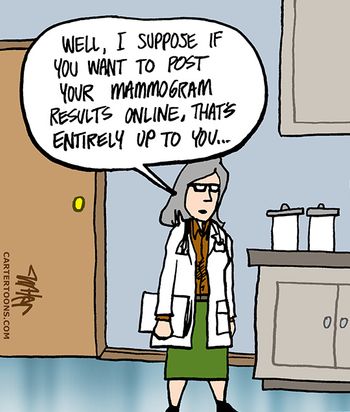
The next meme to go viral?
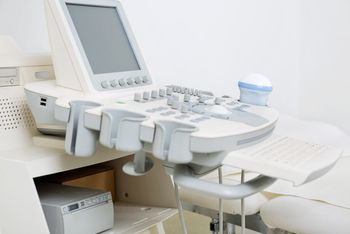
As concern with radiation safety mounts, bowel ultrasound, with proper technique and training, may be a viable imaging alternative.
The ACR will urge MedCAC to recommend national Medicare coverage for lung cancer screening.
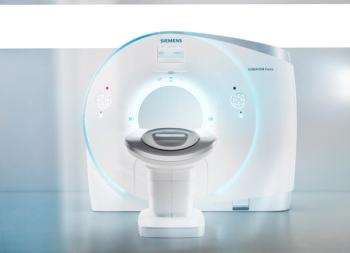
The latest dual source CT includes features that provide low dose imaging for patients with renal insufficiency, difficulty holding their breath and more.
An ECG-triggered high-pitch CT angiography allowed simultaneous imaging of the heart, head and neck arteries.
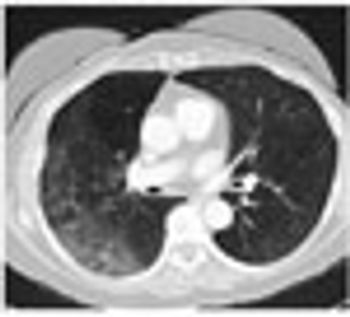
Patients undergoing low dose CT chest screening for lung cancer may also be assessed by automated coronary artery calcification scoring.
Women who receive false-positive mammography results are still likely to undergo future testing.
Further strategies are required to reduce CT radiation doses used in diagnostic screening.
Arizona joins 14 other states in requiring breast density patient notification.

Taking a different approach to patient satisfaction…

The FDA has approved GE Healthcare’s Q.Clear, a technology that GE says improves accuracy when assessing a patient’s response to treatment.

Recently-passed legislation would make clinical decision support use mandatory and improve appropriateness guidelines for ordering diagnostic imaging.

Patient portals are an innovative and beneficial way for radiologists to communicate; you just have to use them.
3-D MRI provides a lower error margin and allows radiologists to provide faster treatment advice.
Radiologists are using DBT clinically and more frequently, but it still remains a limited resource.
Calgary Scientific’s ResolutionMD received FDA clearance for diagnosis on mobile devices for most imaging modalities.
Breast emergencies are uncommon but require quick identification and management when patients present with complaints, such as mastitis and breast abscesses.
The ACR and SBI are concerned that the JAMA breast cancer screening article will result in fewer women undergoing potentially life-saving mammography.
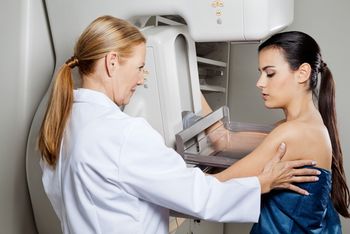
Controversial mammography screening has its benefits and harms. Patients need individualized recommendations to confirm that it’s worth the risk.