
Catch up on the top radiology content of the past week.
Catch up on the top radiology content of the past week.
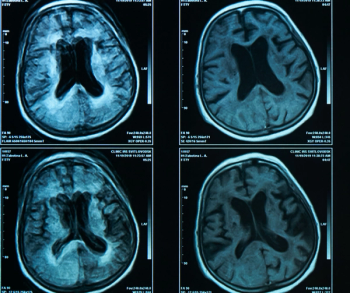
In a review of 555 neuroimaging-based artificial intelligence (AI) models for the diagnosis of psychiatric disorders, researchers found that nearly 72 percent of the AI models had an inadequate sample size and over 99 percent were insufficient at handling data complexity.
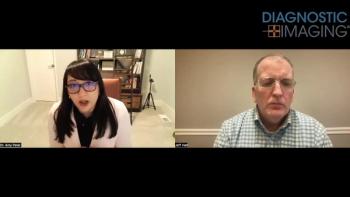
In a recent video interview, Amy Patel, M.D., shared her perspective on forthcoming national beast density notification in mammography reporting, emphasized the importance of educating primary care providers on breast density risks, and discussed the ongoing need for coverage of supplemental options for breast cancer screening.
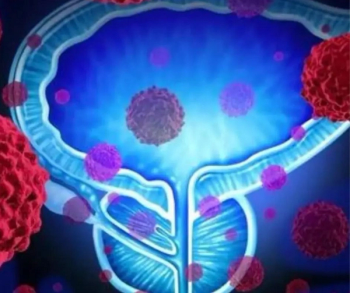
The expanded indication could facilitate improved access to imaging for patients with metastatic prostate cancer who are candidates for radioligand treatment.
In a recent video interview, Emily Conant, M.D., discussed findings from a large multicenter study highlighting the benefits of digital breast tomosynthesis (DBT) in breast cancer screening.
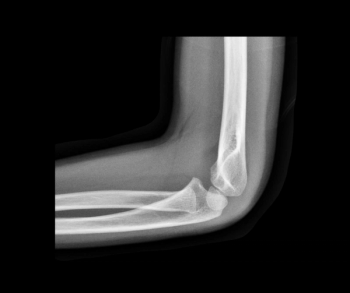
The artificial intelligence (AI)-enabled software, which has a documented 91 percent sensitivity rate for detecting pediatric fractures, is reportedly the first AI fracture detection modality to receive FDA 510(k) clearance for use in the pediatric population.
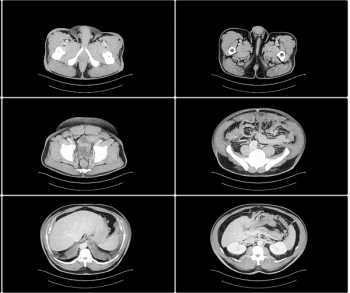
Noting that computed tomography (CT) scans are obtained for more than 30 million emergency department (ED) patients annually and that 31.3 percent of ED CT scans reveal incidental findings, representatives from the American College of Radiology (ACR) and the American College of Emergency Physicians (ACEP) recently collaborated on best practice recommendations for addressing incidental imaging findings in EDs.

Review the case study and test your knowledge to make the correct diagnosis.
In an age of robust imaging volume, time constraints and challenges with voice recognition software, attention to detail with verbiage in radiology reports may suffer.
Newly published retrospective research involving a large database of premenopausal women in Korea showed that women were 64 percent more likely to have dense breasts if their mother and a sister had breast cancer.
In a recent video interview, Wendie Berg, M.D., Ph.D., discussed the newly issued final rule from the Food and Drug Administration (FDA) requiring a national standard for breast density notification (starting on September 10, 2024) as well as its potential impact in mammography reporting and facilitating supplemental screening for patients with dense breasts.
Catch up on the top radiology content of the past week.
As part of updates to the Mammography Quality Standards Act (MQSA) of 1992, the Food and Drug Administration (FDA) has issued a final rule that requires the inclusion of breast density assessment in mammography reports starting on September 10, 2024.
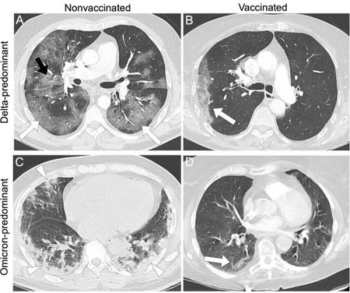
Emerging research from a multicenter study found that COVID-19 vaccination was affiliated with a lower likelihood of high computed tomography (CT) severity scores and typical CT findings for COVID-19 in comparison to unvaccinated patients.
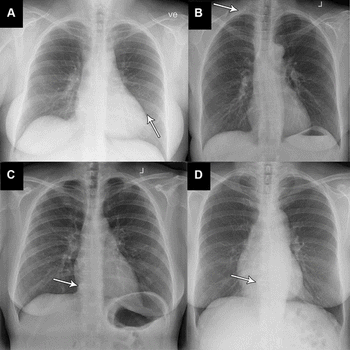
In a study of over 1,500 patients, researchers found that an emerging artificial intelligence (AI) modality had significantly higher sensitivity rates for abnormal posteroanterior chest radiographs and critical finding radiographs than radiology reports.
Review the case study and test your knowledge to make the correct diagnosis.
In addition to the advantages of working remotely, this author says teleradiology increases competition, collaboration and growth for radiologists and rad groups alike.
Catch up on the top radiology content of the past week.
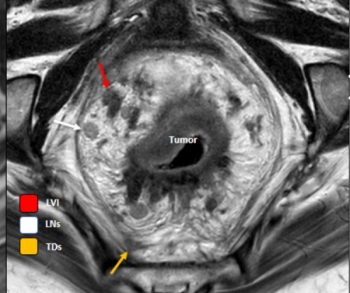
In a cum laude awarded presentation at the European Congress of Radiology (ECR), researchers discussed misconceptions and pertinent principles for magnetic resonance imaging (MRI) of patients with rectal cancer, ranging from the diagnosis of mucinous tumors to the impact of mesorectal fascia status for rectal cancer recurrence.
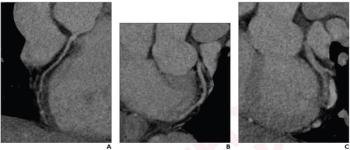
Recently published research revealed that coronary computed tomography angiography (CCTA) exams performed with dual-source CT were completed 22 minutes faster and had a nearly 28 percent higher frequency of good or excellent image quality in comparison to CCTA exams performed with single-source CT devices.
In a video interview from the recent American Society of Clinical Oncology Genitourinary Cancers (ASCO GU) Symposium, Brian Chapin, MD, discussed emerging research that demonstrated the ability of the positron emission tomography (PET) agent 18F-rhPSMA-7.3 to diagnose distant M1 lesions prior to surgery for patients with intermediate to high-risk prostate cancer.
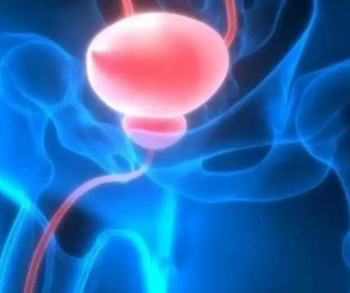
Prostate artery embolization led to a 32 percent reduction of the prostate gland and a 42 percent decrease in prostate-specific antigen (PSA) values one year after the procedure, according to new research presented recently at the Society of Interventional Radiology (SIR) Annual Scientific Meeting in Phoenix.

Findings from three randomized trials of ultrasound renal denervation revealed a significant reduction in daytime ambulatory systolic blood pressure in patients with varying levels of hypertension.
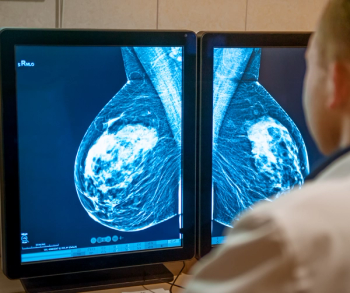
New research from the American Cancer Society comparing pre-pandemic cancer screening prevalence to the second year of the COVID-19 pandemic in the United States showed a 1.1 million decrease in breast cancer screenings, a 4.4 million decrease in cervical cancer screening and a 600,000 decrease in prostate cancer screenings.
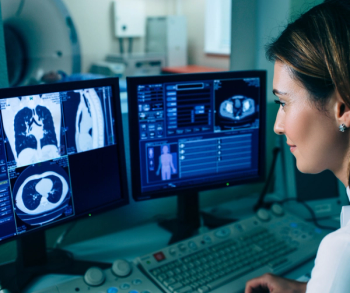
From pagers, transcriptionists, and low-tech X-rays to teleradiology, advanced imaging and artificial intelligence (AI), this author considers the evolution of radiology over three decades.
Catch up on the top radiology content of the past week.

Catch up on the top AI-related news and research in radiology over the past month.
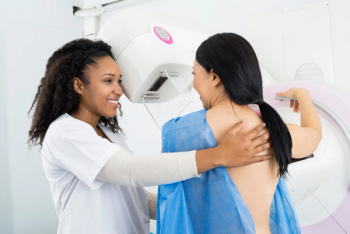
In a new study involving over 900,000 women, researchers found the cumulative six-year risk of mammography screening-detected ductal carcinoma in situ (DCIS) increased with shorter screening intervals and age.
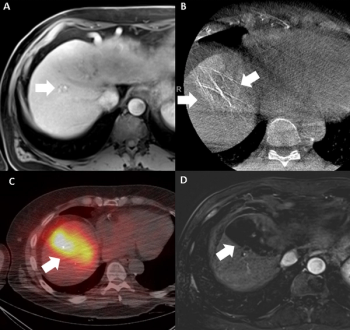
Reviewing recent changes to the Barcelona Clinic Liver Cancer (BCLC) staging system for hepatocellular carcinoma and the potential impact for interventional radiologists, these authors discuss key updates including the subdivision of patients with intermediate stage disease and emerging literature on systemic agents for advanced disease.
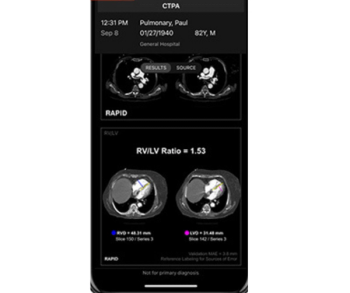
Facilitating expedited assessment of pulmonary embolism severity, the emerging artificial intelligence (AI) tool Rapid RV/LV reportedly calculates the right ventricle/left ventricle (RV/LV) ratio within minutes of a computed tomography pulmonary angiogram (CTPA).