Catch up on the top radiology content of the past week.

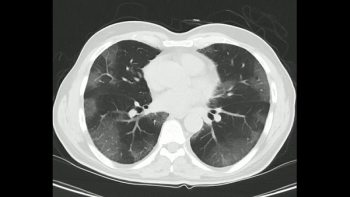
A recent study showed that artificial intelligence (AI)-based worklist reprioritization led to a mean reduction of 12.3 minutes in radiology report turnaround time for positive computed tomography pulmonary angiography (CTPA) exams that were positive for pulmonary embolism.

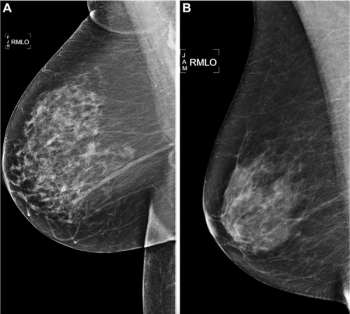
Emerging research suggests that 29 percent of patients with index breast magnetic resonance imaging (MRI) exams, 45 percent of Asian women and 30 percent of women living in the highest disadvantaged neighborhoods did not have follow-up imaging after a BI-RADS 3 diagnosis.

Based on a review of 3,495 echocardiographic studies to evaluate left ventricular ejection fraction (LVEF), researchers found that cardiologists changed initial artificial intelligence (AI) assessment 16.8 percent of the time and initial sonographer assessment 27.2 percent of the time.

Researchers found that ChatGPT offered appropriate responses to 22 out of 25 patient-oriented questions on mammography screening, dense breasts, BI-RADS scoring and other topics related to breast cancer screening and prevention.

Offering built-in safety features and independent verification of magnetic resonance imaging (MRI) compatibility with cardiac devices such as pacemakers or implantable cardioverter defibrillator systems, the MRI Care Pathway app may enhance the efficiency of radiology workflows for MRI scans in patients with these devices.

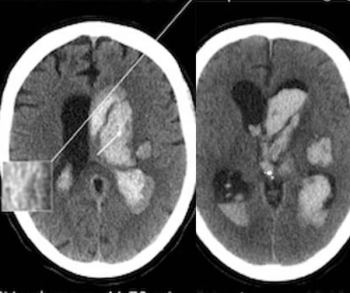
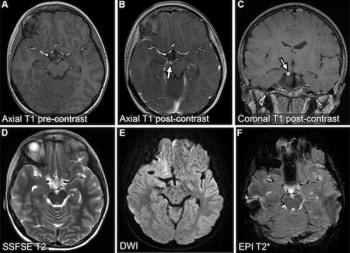
Review the case study and test your knowledge to make the correct diagnosis.

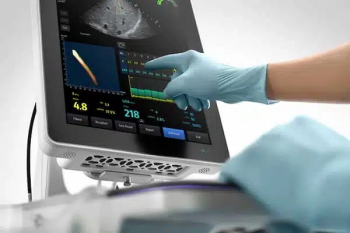
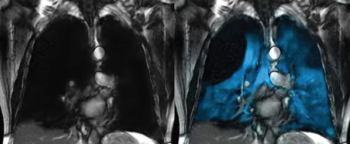
The artificial intelligence (AI) powered Auto B-line Counter, which reportedly produces a B-line count from a six-second ultrasound clip, may facilitate more expedient and consistent assessment of abnormal lung function.

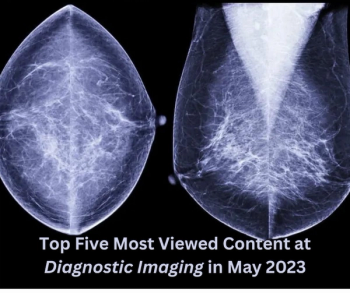
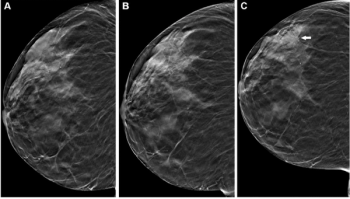
Emerging research shows the adjunctive use of automated breast ultrasound with mammography has similar sensitivity for breast cancer detection as adjunctive handheld ultrasound but may offer reduced false-positive rates in women with dense breasts.

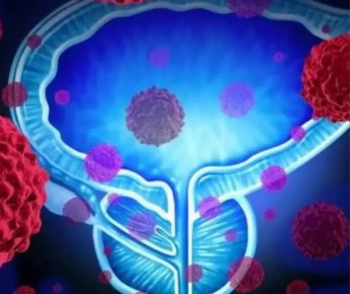
A new study shows that active surveillance and watchful waiting are being utilized in nearly 60 percent of patients with low-risk prostate cancer in the United States.

Is there a certain line of self-preservation in radiology reporting for findings and impressions?

Catch up on the top radiology content of the past week.

Researchers found that higher shift volumes, longer imaging interpretation times and weekend work were significantly associated with increased errors in neuroradiology.

Consensus recommendations from the Society for Cardiovascular Magnetic Resonance provide pertinent insights on the unique abilities of cardiac magnetic resonance imaging (MRI) to provide optimal characterization of myocardial tissue and diagnosis of COVID-19-related myocardial injuries.

A retrospective review of insurance claim data from over one million people eligible for lung cancer screening with low-dose computed tomography (LDCT) found that less than five percent were screened.

Smart-CKD, an ultrasound-derived, computer-aided diagnosis (CAD) tool, demonstrated an area under the curve of 81 percent and an 83 percent sensitivity rate in a validation cohort for differentiating between mild and moderate to severe fibrosis in patients with chronic kidney disease.

In the study of 119 patients who had endovascular treatment for intracranial atherosclerotic stenosis, multivariable analysis revealed that post-op ischemic brain lesions on diffusion-weighted magnetic resonance imaging (MRI) were 3.6 times more likely to occur in patients who smoke cigarettes and 2.9 times more likely in patients who had multiple operative attempts.

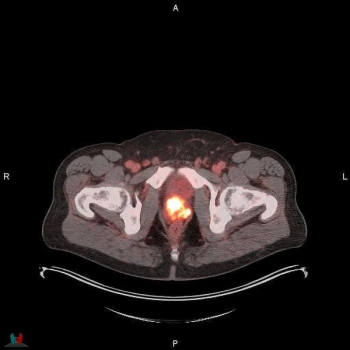
In a recent study of a deep learning software in patients with suspected prostate cancer, researchers noted no difference in the detection of clinically significant prostate cancer nor PI-RADS scoring consistency.

Review the case study and test your knowledge to make the correct diagnosis.

In a study of over 1,000 patients who had surgery for invasive lung adenocarcinoma, researchers found that solid adenocarcinoma on pre-op CT imaging was associated with more than double the risks of recurrence and brain metastasis in patients with clinical stage I disease in comparison to ground-glass opacity (GGO) adenocarcinoma.

A good awareness of your communication style with others can pay significant dividends in your career.

Catch up on the top radiology content of the past week.

Catch up on the top AI-related news and research in radiology over the past month.

In a recent video interview, Kathy Schilling, M.D., discussed findings from a study of ProFound AI, an adjunctive artificial intelligence (AI) software for digital breast tomosynthesis (DBT), that demonstrated a 23 percent increase in breast cancer detection in comparison to DBT alone.

In recent video interviews, Tessa Cook, MD, PhD, Nina Kottler, MD, MS, and Sonia Gupta, MD shared their insights and perspective on potential benefits and drawbacks of ChatGPT in radiology.

Viz AAA is reportedly the first artificial intelligence (AI)-enabled algorithm to garner FDA 510(k) clearance for the detection of abdominal aortic aneurysm.

Through artificial intelligence (AI) assessment of non-contrast computed tomography (CT) scans, the Brainomix 360 e-ASPECTS software provides an automated ASPECTS score and heatmap to enhance stroke imaging.

In a study of 128 patients who had breast magnetic resonance imaging (MRI) exams after COVID-19 booster vaccination, researchers noted that nearly 19 percent of the cohort had equal to or greater than 0.2 cm of increased lymph node cortical thickness.

While social media posts abound about the impact of the residency match in different fields and other topics, this author encourages perspective that is grounded in the facts.

Emerging research suggests that cardiac MRI findings of late gadolinium enhancement, native T1 values and extracellular volume fraction may predict sudden cardiac death-related events in patients with nonischemic dilated cardiomyopathy.