
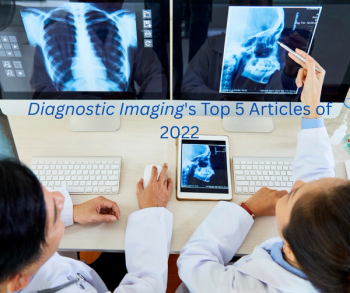
Touching on a variety of topics in radiology, here are the top five most well-read articles from Diagnostic Imaging in 2022.
Touching on a variety of topics in radiology, here are the top five most well-read articles from Diagnostic Imaging in 2022.
Check out the top radiology content of the past week.

Catch up on our RSNA 2022 interviews with Tessa Cook, MD, Nina Kottler, MD, Eliot Siegel, MD and more.
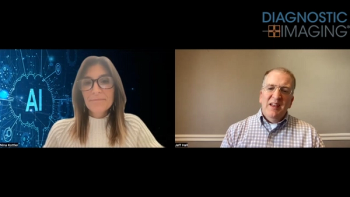
In a video interview discussing one of her recent lectures at the Radiological Society for North America (RSNA) conference, Nina Kottler, M.D., M.S., noted how the combination of artificial intelligence (AI) and radiologist experience can help mitigate bias limitations with the development of AI algorithms as well as educational biases inherent to a radiologist’s training and experience.
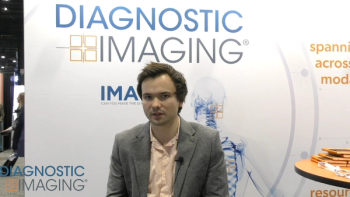
In an interview at the recent Radiological Society of North America (RSNA) conference, Alex Pozdnyakov, M.D. discussed findings from a new meta-analysis, which revealed that prostate-specific membrane antigen/positron emission tomography (PSMA PET) imaging in patients with prostate cancer recurrence led to treatment changes that resulted in a pooled 60.2 percent rate of prostate cancer-free survival at 20 months.
In a recent interview at the Radiological Society of North America (RSNA) conference, Eliot Siegel, M.D., discussed a variety of potential benefits with cloud-based image management in radiology, ranging from enhanced data security and economies of scale to improved access to a variety of artificial intelligence (AI) solutions to increase efficiency.

In a recent video interview from the Radiological Society of North America (RSNA) conference, Tessa Cook, MD, PhD discussed new research on automated de-identification in radiology reports and the potential of artificial intelligence (AI) and natural language processing (NLP) to help address time-consuming challenges in the radiology workflow.
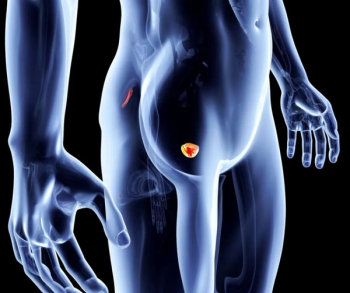
For patients recently diagnosed with prostate cancer, the emerging positron emission tomography (PET) agent 18F-rhPSMA-7.3 reportedly has a 96 percent specificity rate for detecting pelvic lymph node metastases, according to Phase 3 study results recently presented at the 22nd Annual Scientific Meeting of the Society of Urologic Oncology (SUO).
In a recent video interview, Susan Holley, MD discussed key findings from a large retrospective longitudinal study, presented at the recent Radiological Society of North America (RSNA) conference, which found that an emerging artificial intelligence (AI) model was over 24 percent more consistent than radiologist assessment of breast density.
Catch up on the top radiology content of the past week.
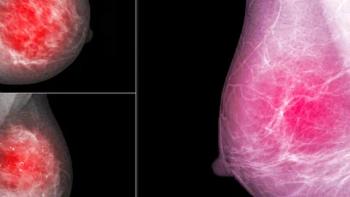
In a recent lecture at the Radiological Society of North America (RSNA) conference, Wendy DeMartini, MD, discussed a variety of preliminary proposed changes to the Breast Imaging Reporting and Data System (BI-RADS) for breast magnetic resonance imaging (MRI) examinations.

In what may be the first study to assess the effectiveness of biparametric magnetic resonance imaging (MRI) for prostate cancer screening in a large cohort, researchers found that MRI screening had a significantly lower false positive rate and significantly higher positive predictive values (PPVs) than prostate-specific antigen (PSA)-based screening.

In a recent video interview, Raymond Y. Kwong, MD, discussed his clinical experience with the Vista.ai (formerly HeartVista) One Click MRI software and recent research, presented at the Radiological Society of North America (RSNA) conference, that revealed a 31 percent decrease in cardiac MRI scan times for patients with cardiomyopathy or structural heart disease.
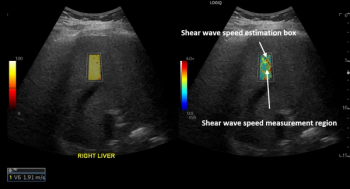
The retrospective study involving the use of ultrasound shear wave elastography showed a significant increase in liver stiffness 44 weeks after the diagnosis of COVID-19 in comparison to pre-pandemic and pandemic controls.
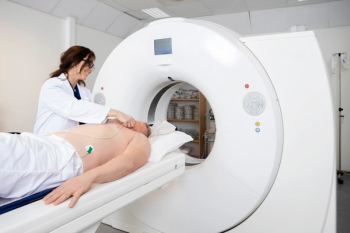
Main pulmonary artery and right ventricular diameters on computed tomography (CT) scans of the thorax were predictors of pulmonary hypertension.
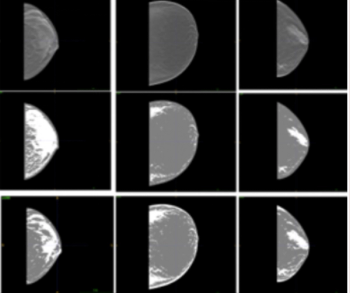
An emerging artificial intelligence algorithm, developed to estimate volumetric breast density from 3D-reconstructed digital breast tomosynthesis images, could potentially facilitate individual risk assessments for breast cancer.
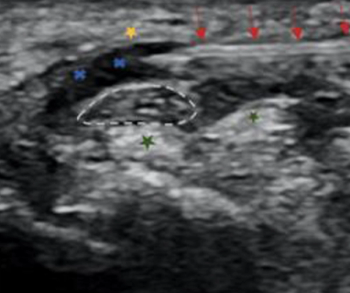
A randomized controlled trial shows that the minimally invasive treatment provided long-term relief of carpal tunnel syndrome.
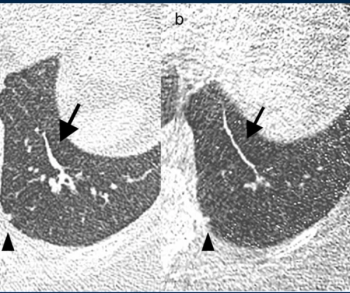
Ultra-low-dose computed tomography (ULDCT) may have similar efficacy as low-dose CT (LDCT) for detecting a variety of pulmonary conditions in people with current or past smoking histories, but had poor detection of ground glass opacification lesions, according to a recent prospective study presented at the Radiological Society of North America (RSNA) conference.
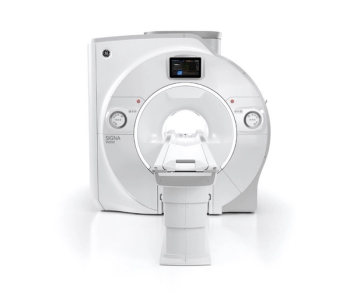
Recently launched at the Radiological Society of North America (RSNA) conference, the SIGNA Experience reportedly features synergistic technologies and artificial intelligence (AI) advances that help improve the efficiency and quality of magnetic resonance imaging.
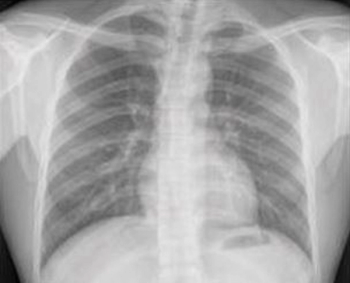
Based on a single existing chest X-ray image, the deep learning model predicts future major adverse cardiovascular events with similar performance to an established risk scoring system and may help identify people for preventive use of statin medication.
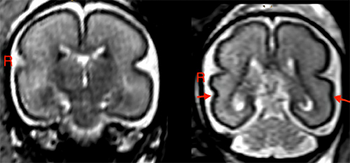
Researchers found that even low amounts of alcohol consumption in pregnant women can lead to early and diffuse structural changes in brain regions related to key functions including language development.
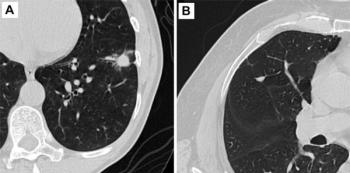
Emphasizing the benefits of annual lung cancer screening with low-dose computed tomography (CT), researchers noted high 20-year survival rates for a variety of early-stage lung cancer tumor presentations, including a 100 percent survival rate for those with non-solid or partly solid cancerous nodules.
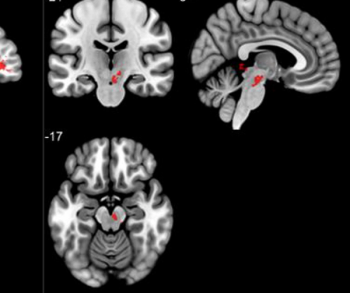
COVID-19 may cause changes in the brain stem and frontal lobe that could lead to fatigue, impacts in motor signal processing, insomnia, and depression, according to emerging research recently presented at the Radiological Society of North America (RSNA) annual conference in Chicago.
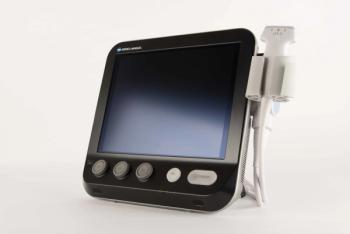
The Sonimage MX1 Platinum device reportedly offers a number of features to provide optimal ultrasound image resolution in a variety of point-of -care settings.
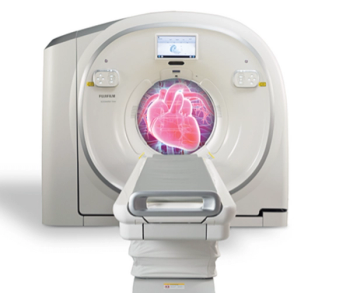
The recently launched Scenaria View Focus Edition computed tomography (CT) system features an advanced cardiac motion correction tool that reportedly provides significantly higher temporal resolution than conventional image reconstruction.
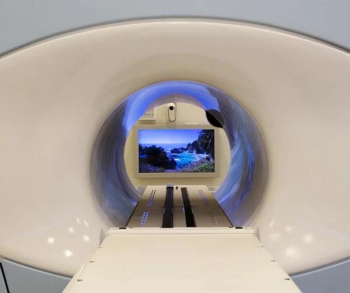
For patients undergoing stereotactic body radiotherapy (SBRT) for prostate cancer, the acute genitourinary (GU) toxicity rate associated with the procedure was 19 percent lower with magnetic resonance imaging (MRI) guidance in comparison to computed tomography (CT) guidance, according to new research presented recently at the American Society for Radiation Oncology (ASTRO) Annual Meeting.
In a recent video interview from the American Society for Radiation Oncology (ASTRO) Annual Meeting, Benjamin Lowentritt, MD discussed the challenges of conventional imaging in diagnosing prostate cancer recurrence and the potential of an emerging high affinity, radiohybrid prostate-specific membrane antigen/positron emission tomography (PSMA/PET) imaging agent.
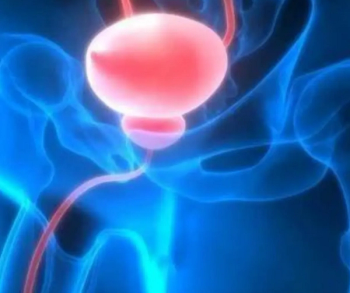
Five weeks of radiation therapy is just as effective as eight weeks of radiation treatment for men with high-risk prostate cancer, according to new research presented at the American Society for Radiation Oncology (ASTRO) Annual Meeting.
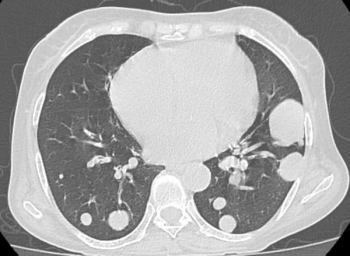
Out of 1,600 patients who had surgery for colorectal cancer, nearly 15 percent had pulmonary metastases within 15.4 months and higher-risk patients experienced lung metastases within three months, according to new research presented at the Scientific Forum of the American College of Surgeons Clinical Congress.
In a recent video interview, interventional radiologist Lindsay Machan, MD, discussed his longtime work with selective salpingography and fallopian tube recanalization to assist women with infertility issues, and key findings from a new study that he recently presented at the Society of Interventional Radiology (SIR) conference.