Catch up on the top radiology content of the past week.

In a recent video interview on the current iodinated contrast media shortage, neuroradiologist Sean Bryant, MD discussed imaging alternatives, emphasized communication with referring physicians on optimal studies, and discussed the ongoing need to prevent “protocol creep” with timely updates of imaging protocols.

Catch up on the top radiology content of the past week.

In a recent video interview, two radiology professors from the Yale School of Medicine discussed the impact of the iodinated contrast media (ICM) shortage and potential strategies, ranging from ICM dose reduction to possible deferment of non-urgent imaging, that may provide a viable path moving forward.

Catch up on the top radiology content of the past week.

Sharing insights from their recent presentation at the American Roentgen Ray Society (ARRS) conference in a new video interview, researchers discussed how sex-based differences have an impact in the imaging and diagnosis of ischemic heart disease (IHD) in women.

Check out top radiology content from the past week.

What is the diagnosis?

While there can be an array of challenges in outsourcing night coverage to teleradiology service providers, due diligence with contract terms can help mitigate costs and increase flexibility if radiology practices decide to switch teleradiology providers down the line.

In a recent video interview, Arun Krishnaraj, MD, MPH and David Larson, MD, MBA, discussed the continued use of physical media to transport medical images between different health-care facilities, resulting inefficiencies and delays with patient care, and the initiative to create a linked multi-hub model to end this dated practice once and for all.

Review top radiology content from the week.

Review top radiology content from the week.

What is your diagnosis?

For patients with stable chest pain and suspected coronary artery disease (CAD), emerging evidence shows that cardiac computed tomography (CT) has a lower risk of major procedure-related complications than catheterization.

New research suggests an emerging machine learning model that combines findings from advanced imaging with clinical data may improve risk stratification in people with coronary artery disease.

Code for quantitative CT tissue characterization goes into effect on July 1.

Study findings suggest that assessment with the simpler and more commonly available non-contrast computed tomography (CT) may widen the indication for treating patients in the extended window.

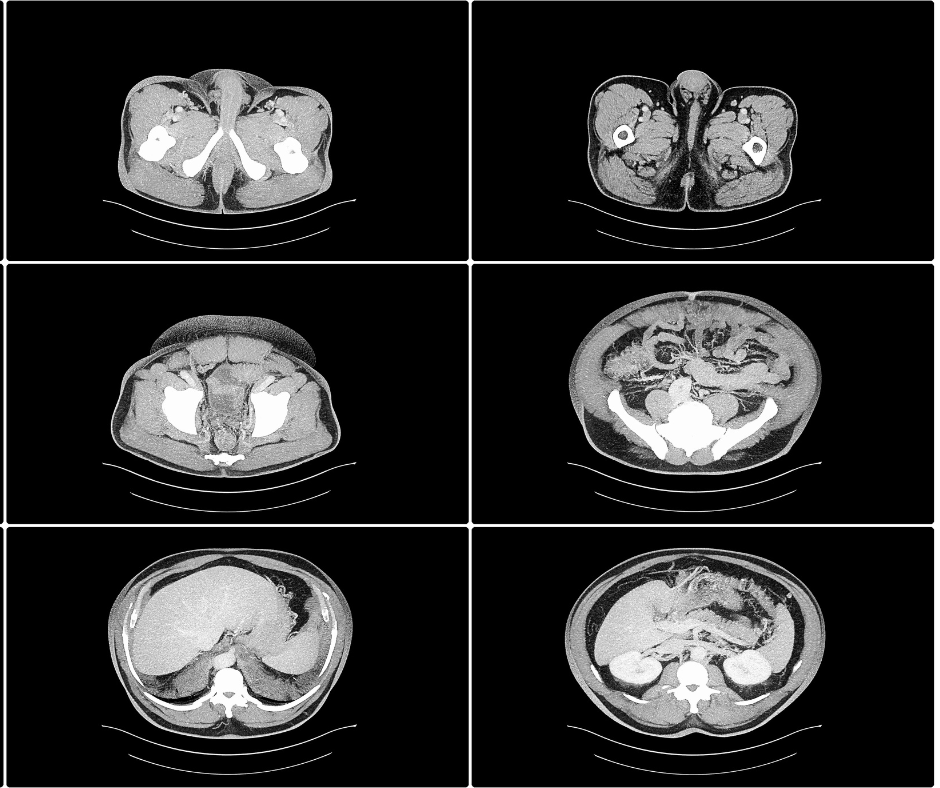
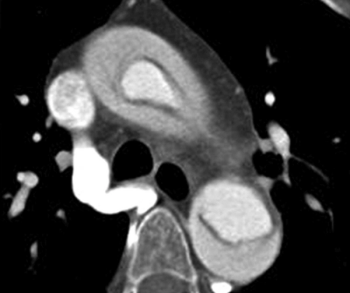
A 43-year-old male presents for suspected PE evaluation. What is the diagnosis?

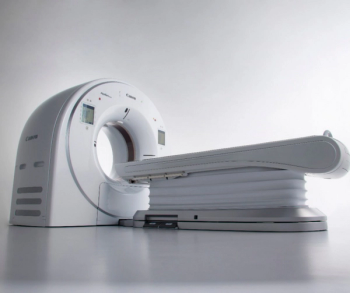
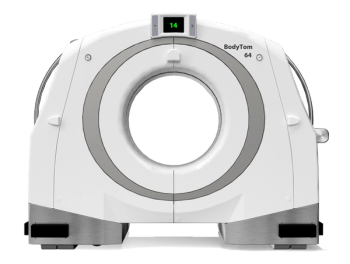
Canon's latest entry into the PET/CT market is a digital, air-cooled system that provides customizable solutions for a range of clients.

Addition of late contrast enhancement (LCE) CT reportedly bolsters diagnostic rate for patients with acute chest pain who have negative findings on triple-rule-out (TRO) CT.

COVID-19 can result in cardiac complications including myocarditis, arterial and venous thromboembolism, and cardiomyopathy.

Cardiac CTA before transcatheter aortic valve replacement can be used to better determine risk by assessing left atrium functional parameters that are predictive of mortality.

Diagnostic Imaging sat down with medical physicist and CT expert Cynthia H. McCollough, PhD, to learn more about the history of CT and its expanding potential in medical imaging.

The approval represents the first major technological advance in CT in nearly a decade.

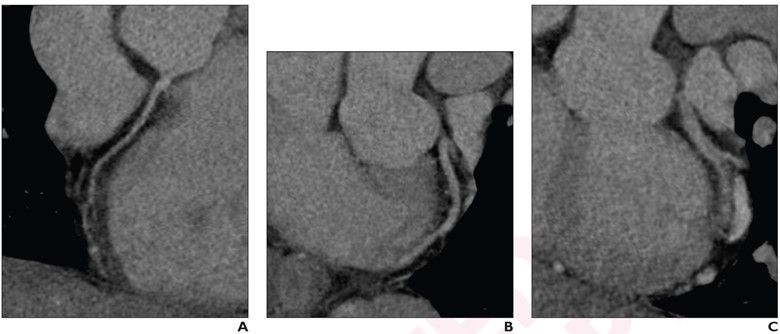
Patients suspected of having coronary stenoses may benefit from ultra-high-resolution CT, according to a recent study that showed high diagnostic confidence in severely calcified coronary atherosclerotic disease.

Computed tomography (CT) abnormalities are reported among a substantial proportion of patients after hospitalization with COVID-19.

What is causing this child’s esophageal and airway obstructive symptoms?