













Catch up on the top radiology content of the past week.
Catch up on the top radiology content of the past week.
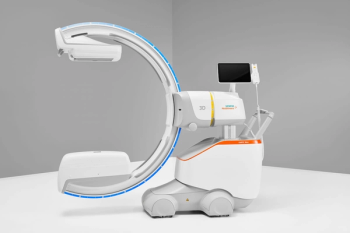
Offering ease of mobility and self-driving capabilities, the Ciartic Move C-arm device reportedly reduces the stress and potential for error associated with manual repositioning during intraoperative imaging with computed tomography and fluoroscopy.
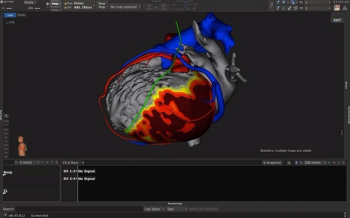
Three-dimensional interactive heart models created with AI-enabled segmentation of CT scans may reduce ventricular tachycardia ablation procedure times by 60 percent.
Catch up on the top radiology content of the past week.
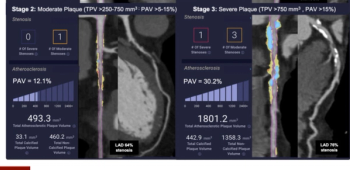
Employing quantitative computed tomography, the staging system’s insights on stenosis, ischemia and coronary atherosclerosis may facilitate individualized assessments of heart disease risk.
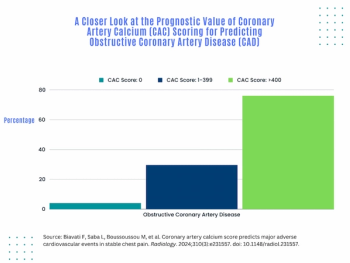
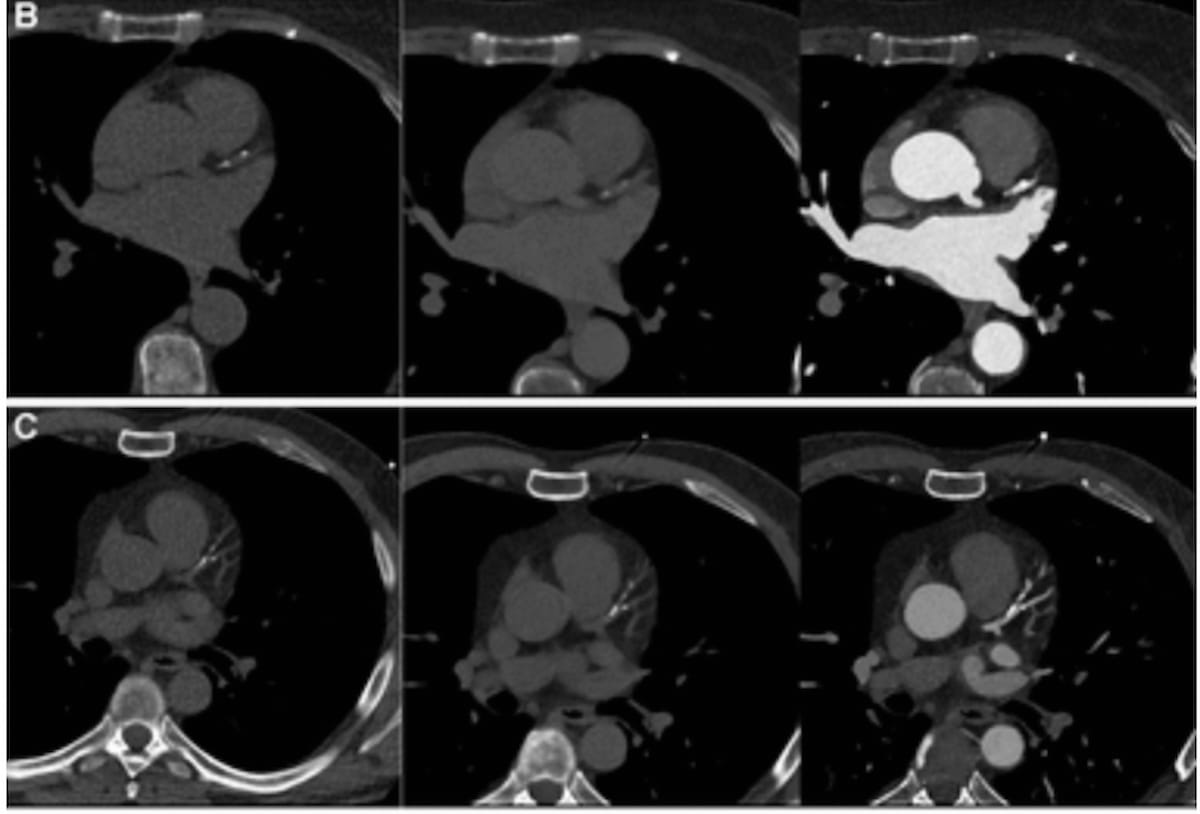
Computed tomography (CT) findings from over 1,700 patients with stable chest pain reveal that coronary artery calcium (CAC) scores of 0 are associated with a 4.1 percent prevalence of obstructive coronary artery disease (CAD) whereas CAC scores of 400 or higher are linked to a 76.1 percent incidence of obstructive CAD, according to research from a multinational study.
Catch up on the top AI-related news and research in radiology over the past month.
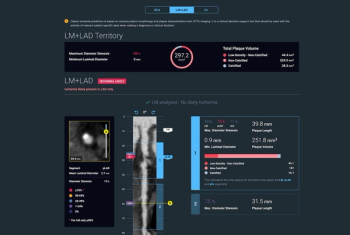
Clinicians can bill Category 1 CPT Code 75580 for adjunctive use of the artificial intelligence (AI)-powered Cleerly Ischemia software for fractional flow reserve estimates based on coronary computed tomography angiography (CCTA) scans.
Catch up on the top radiology content of the past week.
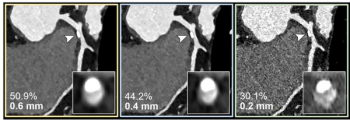
The use of ultrahigh spatial resolution with photon-counting CT led to lower Coronary Artery Disease Reporting and Data System (CAD-RADS) category assessments in over 54 percent of patients in comparison to the use of standard spatial resolution, according to recently published research.
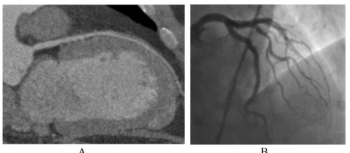
Patients who had CT angiography procedures reported lower pain levels, better preparation and were 25 percent more willing to undergo the procedure again in comparison to patients who had invasive coronary angiography, according to newly published research.
Catch up on the top radiology content of the past week.
In a recent interview, Markus Scherer, M.D., discussed emerging research, presented at the American College of Cardiology Cardiovascular Summit, which showed that coronary computed tomography angiography (CTA) was associated with a significantly higher likelihood of revascularization in comparison to other modalities or direct referral for invasive coronary angiography.
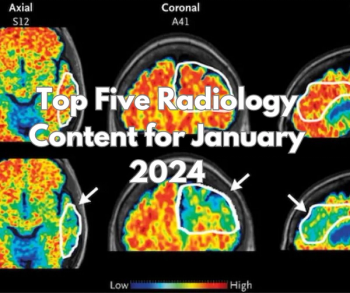
Catch up on the most-well viewed radiology content in January 2024.
Catch up on the top radiology content of the past week.
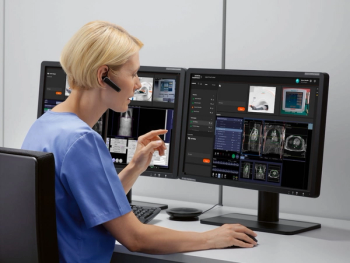
The syngo Virtual Cockpit platform reportedly enables remote access and image acquisition for CT, MRI and positron emission tomography (PET), and facilitates clinician collaboration across multiple sites.
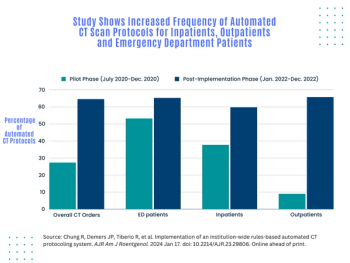
In a nearly two-year study of over 300,000 CT exams, researchers noted a 56.8 percent increase in the frequency of automated CT protocols for outpatient CT examinations.
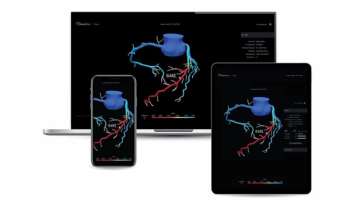
The new Category I CPT code reportedly facilitates a nearly 7 percent increase in reimbursement for use of the CT-based fractional flow reserve assessment of coronary blood flow.
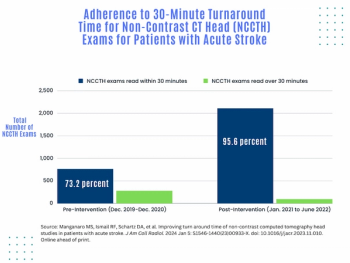
Modifications to the radiology workflow, including the use of a structured report template, improved adherence for 30-minute turnaround times for acute stroke head CT results from 73.2 percent to 95.6 percent, accordingly to new research.
Catch up on the top radiology content of the past week.
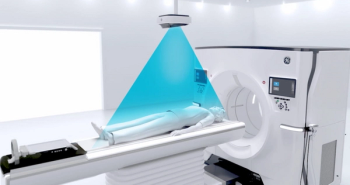
Given the essential role of X-ray filtration in computed tomography (CT) systems, this author discusses key principles and emerging advances with filters and spectral shaping to facilitate quality imaging and optimal radiation dosing.
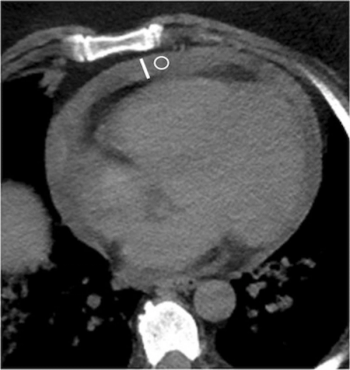
The presence of pericardial effusion on chest computed tomography (CT) was associated with a 56 percent higher 30-day mortality risk in men with COVID-19 but had no impact on the prognosis for women with COVID-19, according to newly published research.
Touching on a variety of topics in radiology, here are the top five most well-viewed content from Diagnostic Imaging in 2023.
Catch up on the most well-read computed tomography (CT) articles from 2023.
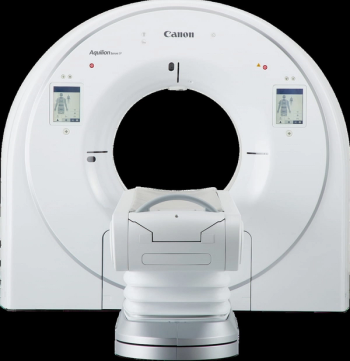
The Aquilion ONE/Insight Edition and Aquilion Serve SP computed tomography (CT) systems reportedly offer enhanced deep learning reconstruction and intuitive workflow efficiencies.