













Catch up on the top AI-related radiology content of the past month.
Catch up on the top AI-related radiology content of the past month.
Catch up on the top radiology content of the past week.
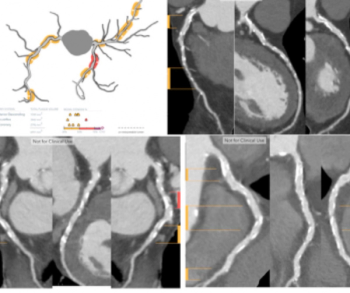
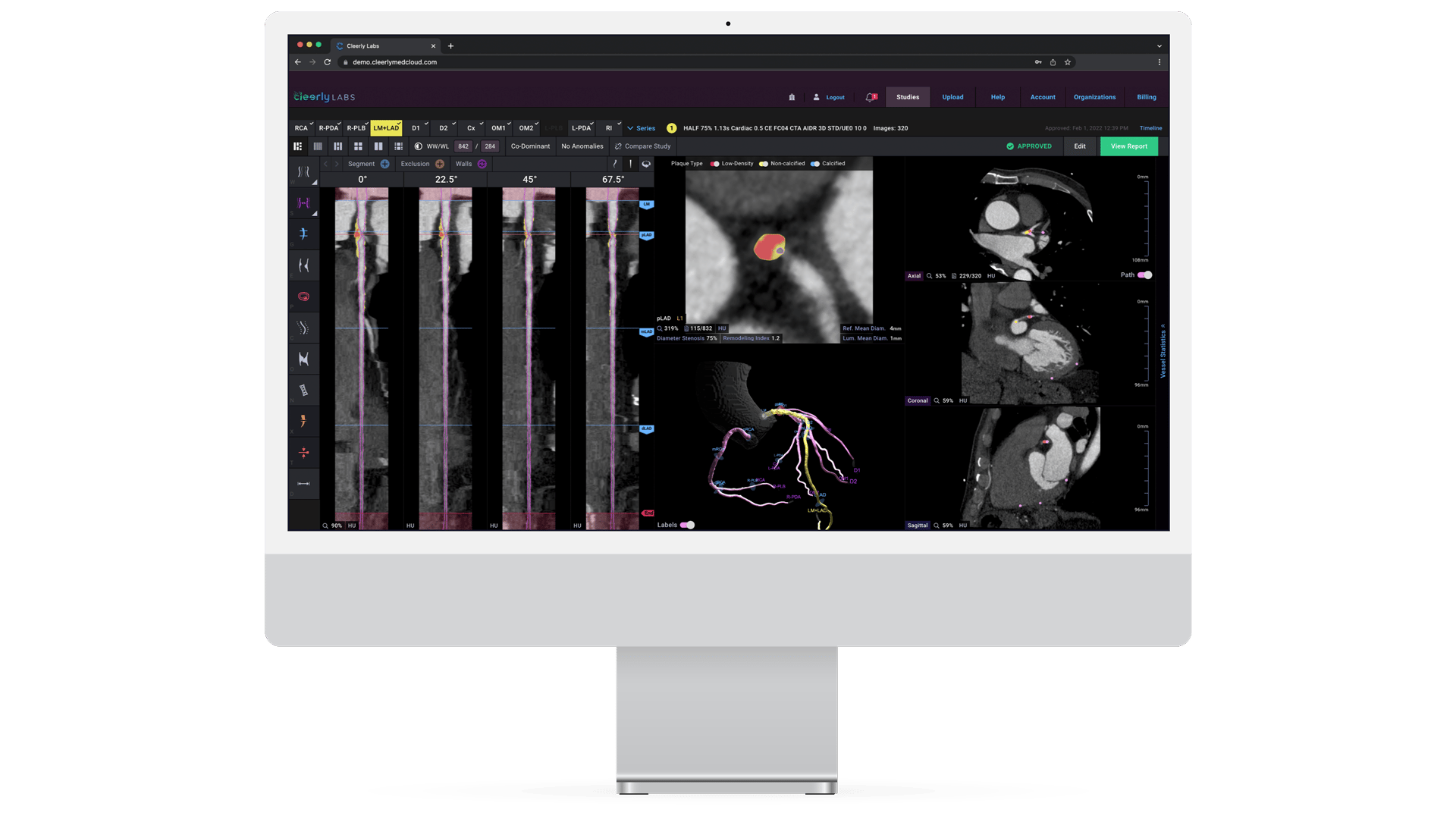
Plaque Analysis and RoadMap Analysis, two artificial intelligence (AI)-enabled assessment products, may enhance clinical evaluation of coronary artery disease (CAD) on cardiac computed tomography angiography (CCTA).
While facilitating interdisciplinary colloaboration is a central objective with enterprise imaging platforms, this author says implementation of these platforms must ensure optimal patient privacy in sensitive cases involving abuse, assault and domestic violence.
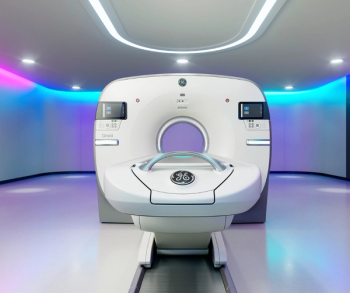
The inclusion of digital bismuth germanate (BGO) detector material with the Omni Legend system reportedly more than doubles the sensitivity of older PET/CT devices, improves scan times, and enhances the detection of small lesions.
Catch up on the top radiology content of the past week.
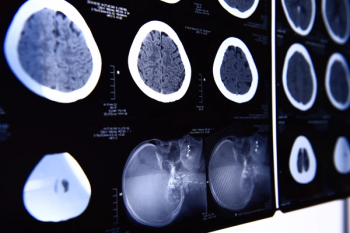
A multi-year agreement with a large Chile-based supplier of raw iodine is part of GE Healthcare’s commitment to increase the production of iodinated contrast media, commonly used in computed tomography imaging, by 30 million annually in 2025.
Catch up on the top radiology content of the past week.
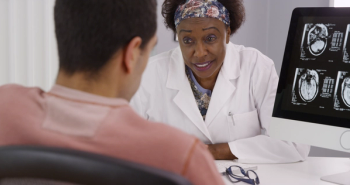
In a thorough review of the literature, these authors discuss current approaches and emerging initiatives to increase the understanding of radiology reports by referring physicians as well as patients.
Catch up on the top radiology content of the past week.
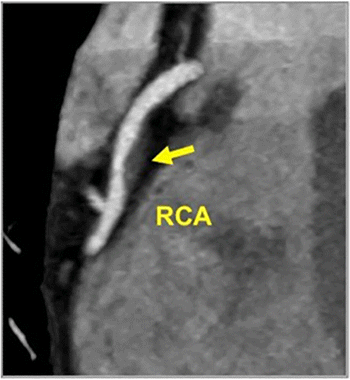
In an update of the original CAD-RADS™ consensus document on coronary artery disease (CAD) imaging and reporting published in 2016, expert panelists incorporated emerging evidence for CAD-RADS 2.0 to recommend new categorization for coronary plaque burden and suggested modifiers to reflect the level of ischemia and high-risk plaque in patients undergoing cardiac computed tomography.
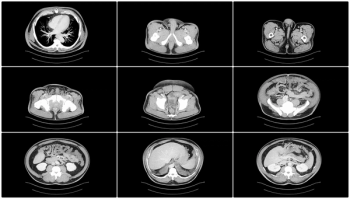
Greater imaging utilization has increased the prevalence of incidental findings or incidentalomas, but unclear clinical context and guidelines complicate management. Accordingly, these authors offer a thorough review of the literature and discuss new opportunities for improving interdisciplinary management strategies.
Catch up on the top radiology content of the past week.

The automated measurement of heart ventricle diameters and detection of potential dilation in the right ventricle may facilitate quicker intervention in cases of pulmonary embolism.
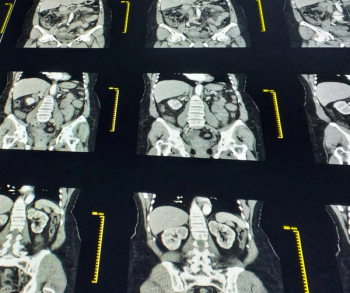
Emerging research findings suggest the use of single-encounter thoraco-abdominopelvic computed tomography (CT) per 1,000 trauma-related emergency department (ED) visits more than quadrupled for minor injuries and more than doubled for intermediate injuries from 2011 to 2018.
Sponsored Content
Canon Medical Systems offer a range of in-person and virtual educational opportunities for their clients.
Catch up on the top radiology content of the past week.

A recent study found the use of an alert and a request for more clinical information in a multisite health system’s electronic health record (EHR) system led to a 12 percent reduction in contrast-enhanced computed tomography (CT) exams per day and a 15.2 percent reduction in orders for CT with contrast media per day.
Catch up on the top radiology content of the past week.
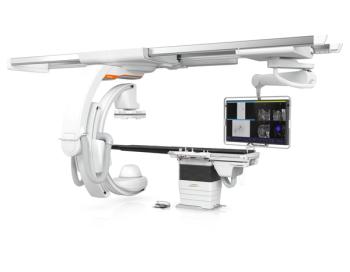
The system has an open architectural design to allow for third-party integrations.
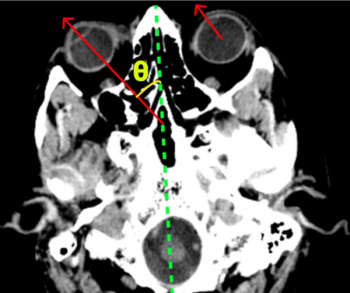
Artificial intelligence (AI) accurately diagnosed 79 percent of proximal large vessel occlusions with an ipsiversive gaze deviation on non-contrast computed tomography (CT), according to new research findings presented recently at the Society of Neurointerventional Surgery’s (SNIS) 19th Annual Meeting in Toronto.
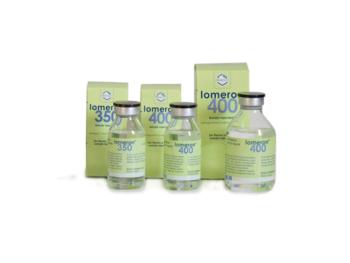
The imaging agent is approved for use in 50 countries in Europe and Asia, but is not currently approved in the US.
Catch up on the top radiology content of the past week.
In a video interview, Morris Panner, the president of Intelerad Medical Systems, discussed key observations from the recent Society for Imaging Informatics in Medicine (SIIM) conference, recent research about artificial intelligence (AI) adoption and emerging goals for enhancing the efficiency of radiology workflows.
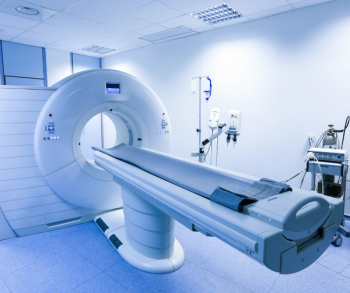
The Food and Drug Administration (FDA) has given the green light to Bayer to import foreign-labeled iopromide (Ultravist) to help alleviate ongoing supply challenges with iodinated contrast media in the United States.