

Whether it’s assuming an annual pay increase or assuming that AI won’t affect one’s job, the old adage that the only guarantee in life is change remains the more reliable truth.
Whether it’s assuming an annual pay increase or assuming that AI won’t affect one’s job, the old adage that the only guarantee in life is change remains the more reliable truth.
While tempting albeit questionable opportunities may arise periodically that may help offset reimbursement cuts, honesty remains the higher form of currency.
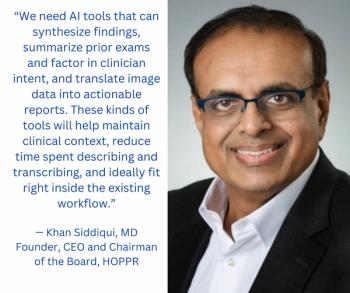
Emphasizing that specialized standalone AI tools are on the verge of being obsolete, this author maintains that successful AI platforms will facilitate access to clinical context data, adaptability and seamless integration into radiology workflows.
If you knew the daily level of challenges a radiology supervisor or manager encounters, would you still aspire to the role?
In a recent interview, Amy Patel, M.D., discussed key targets in legislation for breast imaging in 2026 and offered advice for breast radiologists seeking to get more involved in advocacy.

Whether it’s a home gym, a healthy diet or a prudent approach to savings and eventual retirement, there are key ‘assets’ that can help sustain a strong quality of life.
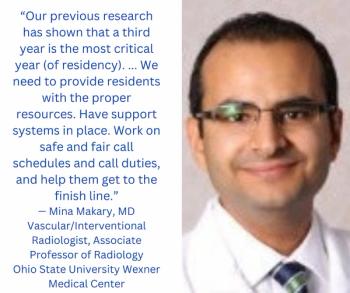
Sharing his insights as well as findings from recent research, Mina Makary, M.D., discussed pertinent challenges with diversity and resident attrition rates in interventional radiology and possible approaches to address these issues.
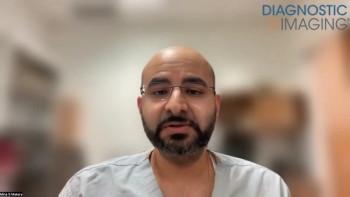
In a recent interview, Mina Makary, M.D., discussed recent research examining diversity within interventional radiology (IR), attrition rates in IR residency programs and potential strategies to bolster recruitment and retention.
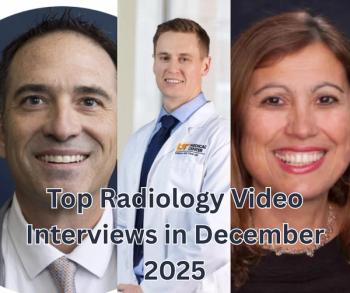
Catch up on the most well-viewed video interviews in December 2025.
Catch up on the most well-viewed radiology content from 2025.
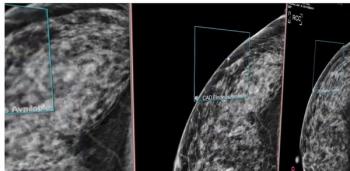
In addition to advanced mammography image processing and integrated MQSA tracking, the MammoIQ system enables viewing of adjunctive modalities including MRI, ultrasound and PET imaging.
Catch up on the top radiology content of the past week.
While negativity may seem pervasive at times in health care, staying centered and above the fray keeps us focused on our mission of patient care.
Catch up on the top radiology content of the past week.
Don’t overreact, keep your options open and develop off-ramps so you’re prepared regardless of the changes to come with AI.
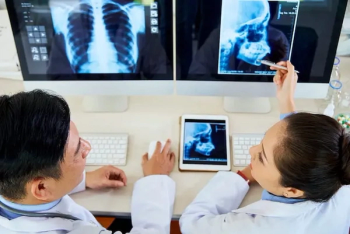
In lieu of compensation bumps and increased PTO, awareness of a points-based system for job performance may provide an alternate motivational spark.
Catch up on the top radiology content of the past week.
Catch up on the most well-viewed video interviews from Diagnostic Imaging in November 2025.
Catch up on the top AI-related news and research in radiology over the past month.
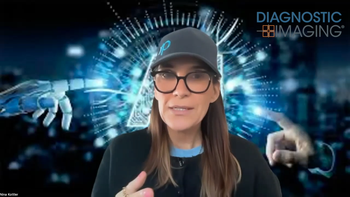
In a recent interview, Nina Kottler, M.D., discussed key trends that are leading to a renewed focus on improved enterprise imaging platforms and the potential promise of integrating Cognita Imaging’s Mosaic Drafting vision language model technology into the MosaicOS platform.
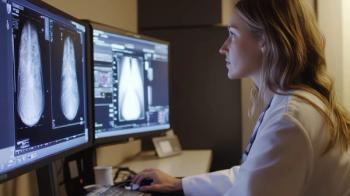
Exploring ways to bolster efficiency in an ongoing manner can help mitigate the strain of burgeoning worklists and improve morale.
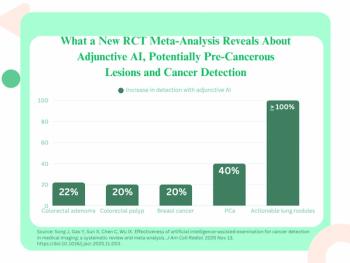
Use of AI provided a pooled 22 percent increase in adenoma detection but no significant impact for advanced adenomas, according to an analysis of 39 randomized controlled trials examining AI’s impact in detecting colorectal cancer.
There are no modifications to the order when it comes to CMS and insurance company criteria for reimbursement.
Catch up on the top radiology content of the past week.
The Harrison.ai Open Platform reportedly emphasizes open architecture, customer ROI and elimination of costly AI platform fees.
One can rail about the forces that resulted in an undesirable status quo direction or take a more active role in grabbing the steering wheel.
Catch up on the top radiology content of the past week.
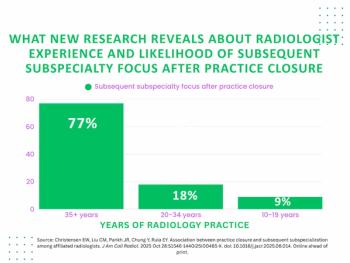
Radiologists from closed practices were 10 percent more likely to practice as subspecialists the following year, according to a newly published analysis.
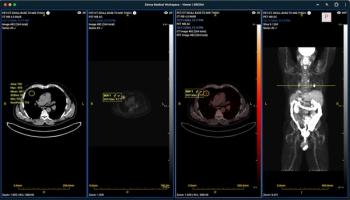
Expanded capabilities for the Sirona Advanced Imaging Suite reportedly include quantitative SUV analysis and multiplanar reconstruction for PET/CT imaging.
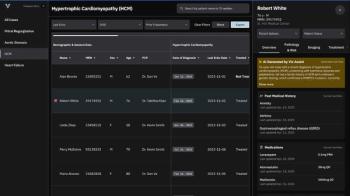
Through the use of a multimodal system, Viz Assist provides generative AI summaries of patient histories that may ehance care coordination and facilitate more timely interventions.