
While standard approaches to imaging may be elusive amid shifting protocols from different facilities and different specialties, there is a balancing act of flexible accommodation and pushing back against unreasonable requests.
While standard approaches to imaging may be elusive amid shifting protocols from different facilities and different specialties, there is a balancing act of flexible accommodation and pushing back against unreasonable requests.
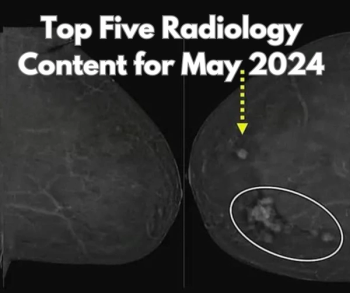
Catch up on the most-well viewed radiology content in May 2024.
Do you have a true voice in the direction of the radiology practice or are you more likely to be voting with your feet?
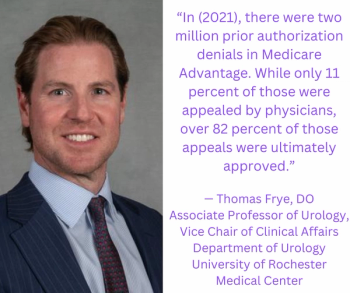
While radiologists and other providers may be discouraged by insurer denials saying the use of a technological advance is “unproven and investigational,” 82 percent of appeals for prior authorization denials were approved in 2021.

While leadership offers a variety of benefits for ambitious ladder climbers in radiology, does it lose its luster as goals shift later in one’s career?
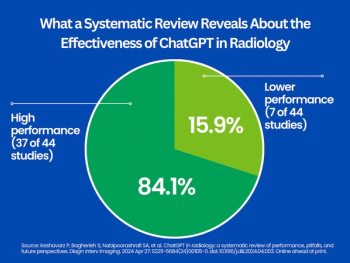
While noting a variety of pitfalls with the chatbot ranging from hallucinations to improper citations, the review authors found the use of ChatGPT in radiology demonstrated “high performance” in 37 out of 44 studies.

Applying principles of personality theory to one’s development as a radiologist, this author discusses trust in what is bring taught, autonomy and interactions with peers.
Catch up on the most-well viewed radiology content in April 2024.
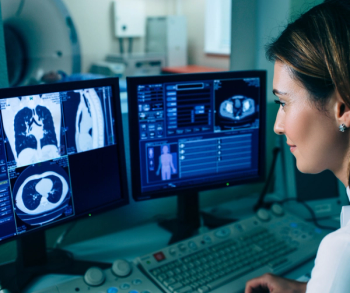
With dramatic changes less likely with respect to reimbursement and one’s career in radiology, have we downsized our expectations to be more accepting of a floor of stability and slow progress?
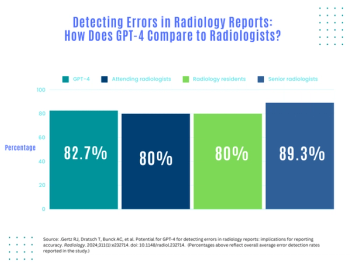
A new study shows that GPT-4 may offer comparable error detection rates to those of attendings and radiology residents in reviewing radiology reports, but researchers noted key caveats as well.
Catch up on the top radiology content of the past week.

In an attempt to navigate the imbalance between rising imaging volume and a shortage of radiologists, researchers proposed a variety of measures that may provide additional resources, bolster productivity, and help mitigate burnout.

Whether you are extolling the benefits of a new radiology gig to a friend or sizing up a potential opportunity based on a colleague’s recommendation, taking the time to make a prudent, objective assessment is usually the best course of action.
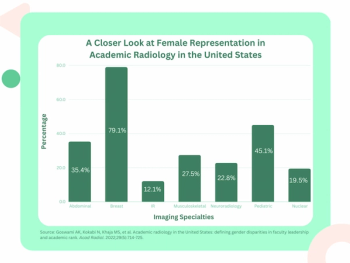
Women comprise nearly 80 percent of breast imaging departments and 45 percent of pediatric radiology departments at academic institutions, but burnout, the COVID-19 pandemic and discrimination have impeded further progress in radiology, according to a recently published literature review.
Emphasizing the gravity of the ongoing workforce shortage in radiology, these authors recommend a change agenda focusing on expanded numbers of residency positions, reassessment of educational pathways, maintaining a strong presence in hospital settings and practice level initiatives to reduce administrative burden and achieve appropriate reimbursement beyond RVU measurements.

Proactive approaches to training, compensation issues and staff feedback are hallmarks for engaging and retaining top radiology staff.
Given a certain perception that calling out sick is frowned upon in health care, radiologists and other health care workers may feel conflicted about being absent even if an illness has reduced their capacity for getting work done on a given day.

A prospective employer’s willingness or unwillingness to negotiate notice periods in a contact may signal the difference between a worthwhile opportunity and a one-way, dead-end job.
Catch up on the top radiology content of the past week.
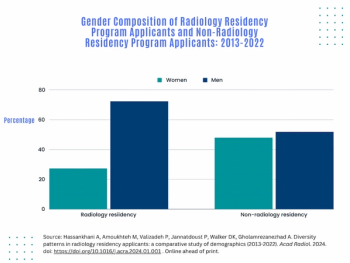
The proportion of women applying to radiology residency programs was nearly 21 percent lower than the proportion of women applying to other residency programs, according to a review of 10 years of residency program data from 2013 to 2022.
Going beyond the humdrum, eye roll-inducing platitudes of orientation training may foster improved attention and adherence to training priorities such as cybersecurity.

Is it time to rethink the burden of applicant fees, credentialing costs and medical staff dues?
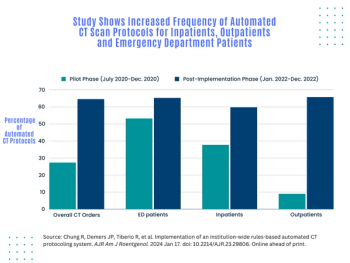
In a nearly two-year study of over 300,000 CT exams, researchers noted a 56.8 percent increase in the frequency of automated CT protocols for outpatient CT examinations.
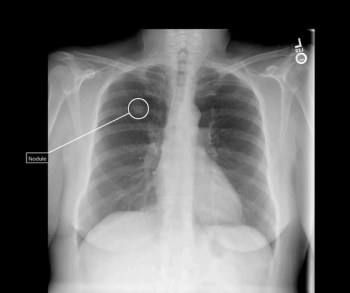
In a recently issued statement from multiple radiology societies including the RSNA and ACR, researchers offer practical advice for evaluating artificial intelligence (AI) tools, implementing AI into current workflows and monitoring of the technology to help ensure optimal benefit and effectiveness.
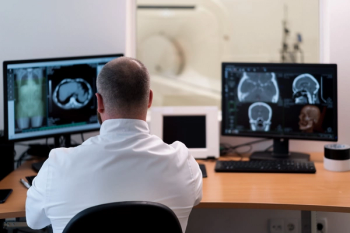
A singular database of current rules, guidelines and best practices in radiology would be a welcome advance to ensure ease of access, consistency, and proactive prevention of frivolous malpractice cases.

Given the ongoing challenges with receiving appropriate reimbursement in radiology, these authors discuss key principles in the coding and billing process, common challenges and three priorities for bolstering reimbursement revenue in the profession.
Is there a happy medium with “recommendations” for referring clinicians?
The ability to consider and comment on prior imaging in the radiology report may help reduce extraneous addenda requests.
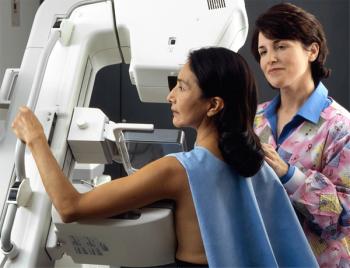
Incorporating text messaging into your mammography screening program may facilitate improved mammography screening rates in your patient population as well as enhanced practice management efficiencies.

While some may see a job applicant with multiple past employers as a job hopper, others may see an opportunity to hire a radiologist with diverse work experience.