
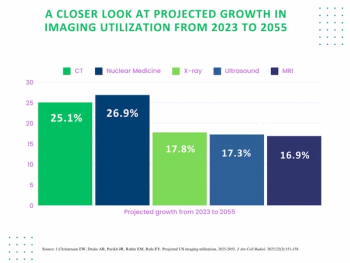
Reviewing current and emerging trends in imaging utilization and the impact of attrition rates and radiology residency positions on the field, researchers explore the future of radiology with two new provocative studies.
Reviewing current and emerging trends in imaging utilization and the impact of attrition rates and radiology residency positions on the field, researchers explore the future of radiology with two new provocative studies.
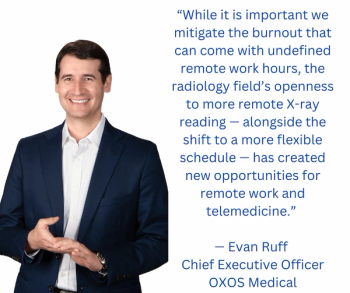
In light of increasing imaging volume, retirements and burnout in radiology, this author suggests that technologies such as portable X-ray devices may have a significant impact.
Could there be a simpler more secure alternative to the daily dance with password managers, VPNs, and authenticator apps?
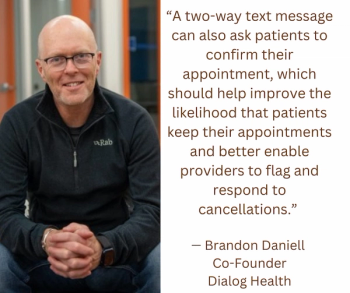
Text messaging may go a long way toward reducing the costs and potential health repercussions that can occur with cancellations, no-shows and no-gos in radiology practice.

Catch up on the most well-viewed video interviews from Diagnostic Imaging in January 2025.
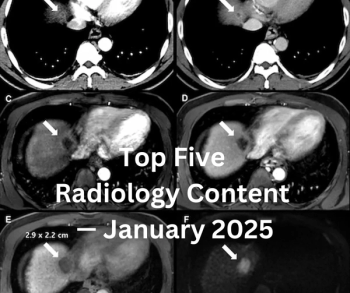
Catch up on the most-well viewed radiology content in January 2025.
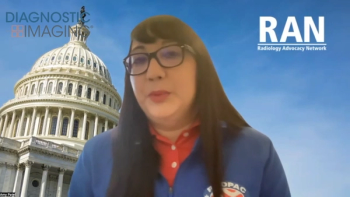
In a recent interview, Amy Patel, M.D., discussed key points of emphasis for legislative advocacy in radiology, including long-term reform in Medicare reimbursement, improved coverage of breast cancer screening and mitigation of the ongoing radiology workforce shortage.
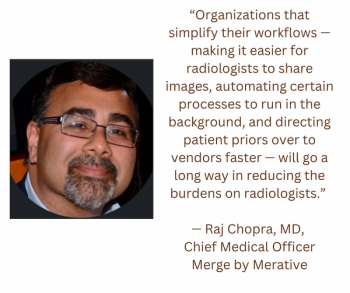
In order to flip the script on the impact of the radiology workforce shortage, radiology groups and practices need to make sound investments in technologies and leverage partnerships to mitigate gaps in coverage and maximize workflow efficiencies.
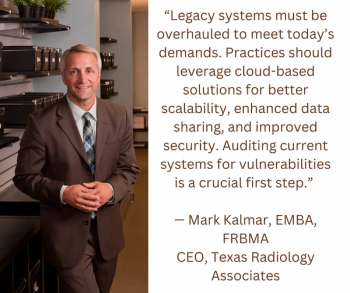
How do we respond to challenges with staff recruitment, cybersecurity, and looming hospital takeovers in radiology? This author assesses key trends in radiology and offers key insights to stay competitive in the field.

There may be a certain denial about the capability of proposed radiology workforce solutions and technological advances such as AI to enhance our efficiency.
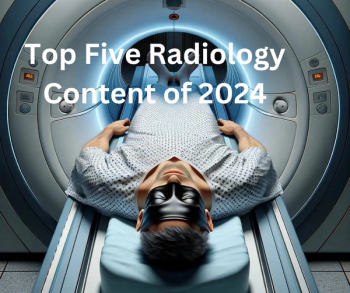
Touching on a variety of topics in radiology, here are the top five most well-viewed content from Diagnostic Imaging in 2024.

In contrast to simply agreeing with the negative herd or hijacking a conversation with unrelated commentary, emphasizing spirited contributions and viewpoints can facilitate a lively exchange of ideas in radiology forums.
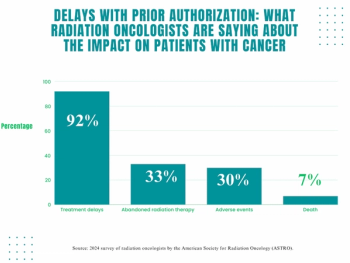
Sixty-eight percent of radiation oncologists said average delays with prior authorization are five days or more, and seven percent of survey respondents said these delays have been a contributing factor in the death of cancer patients.
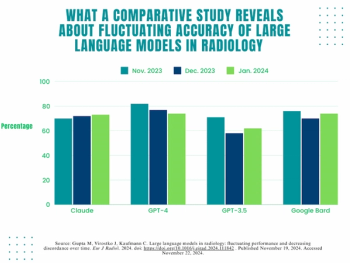
While GPT-4 demonstrated higher overall accuracy than other large language models in answering ACR Diagnostic in Training Exam multiple-choice questions, researchers noted an eight percent decrease in GPT-4’s accuracy rate from the first month to the third month of the study.
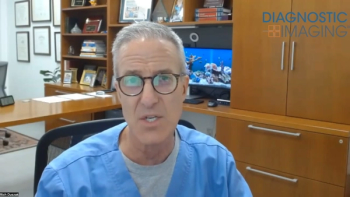
In a recent interview, Richard Duszak, MD, discussed new study findings that showed over nine percent annual increases in ultrasound, CT and MRI interpretation by office-based non-physician practitioners (NPPs) between 2013 and 2022.

What are the keys for ensuring optimal pay during the course of your career?

Self-imposed fears of embarrassment may lead to an inadvertent defensive stance that prevents us from learning.
There can be a thin line between providing extra effort in a team setting and overextending oneself to compensate for the shortcomings of others.
While staffing shortages in radiology continue to persist after the COVID-19 pandemic, current and emerging innovations powered by artificial intelligence (AI) may help facilities navigate these challenges and mitigate rising costs of health care.
Eschewing the pursuit of sweet spots with RVUs, this radiologist emphasizes consistent variety in your case mix to help ensure optimal marketability.
What are the key factors that facilitate a collegial work environment in radiology?
Emphasizing that forewarned is forearmed, this author discusses his approach to handling egotistical referring docs and extraneous addendum requests.
With an open letter to cold-calling recruiters, this radiologist emphasizes that incessant contact won’t gain a foothold with him or his colleagues.
What are the key drivers for facilitating staff retention in radiology?

Catch up on the top radiology content of the past week.
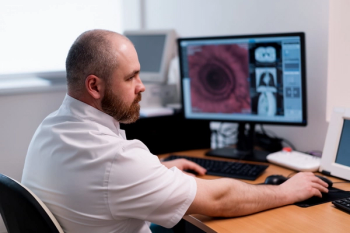
Emphasizing core concepts of sound ergonomics, accessibility, inclusivity, personalization, and convenient storage can help foster reading room environments with minimal distraction and optimal productivity.
Adjusting one’s goals to varying conditions along the way may facilitate optimal satisfaction and enjoyment of the journey.
Catch up on the top radiology content of the past week.
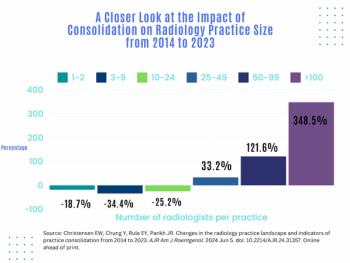
There was over a 31 percent decline in radiology-only practices and over a 25 percent decrease of practices employing 10-24 radiologists, according to new research examining consolidation trends in radiology from 2014 to 2023.

Offering access to over 110 AI applications, the enterprise imaging platform enables radiologists to test, deploy and monitor the use of AI technologies.