


Abbreviated MRI; Low-Field Cardiac MRI; Contrast-Enhanced Breast Imaging; Obesity and Alzheimer's; and Neuroimaging and COVID-19
Abbreviated MRI; Low-Field Cardiac MRI; Contrast-Enhanced Breast Imaging; Obesity and Alzheimer's; and Neuroimaging and COVID-19

Implementing annual breast cancer screening a woman’s 40 can significantly reduce her mortality risk.

Images reveal hypertension can be significant risk factor for CSVD.

Knowing what causes screening delays and how to safely assess risks can streamline your MR imaging.

Abbreviated MRI protocols can detect and diagnose breast cancer as well as full-protocol MRI.

Referring physicians will have until after 2021 to adopt appropriate use criteria and clinical decision support.
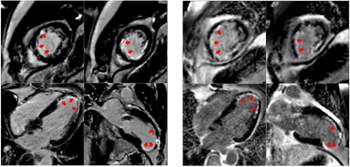
Performance of 0.55T MRI is comparable to 1.5T MRI in acquiring and interpreting late gadolinium enhancement in patients suspected of myocardial infarction, research shows.

Support for continued teleradiology after the pandemic is strong, but some concerns exist.
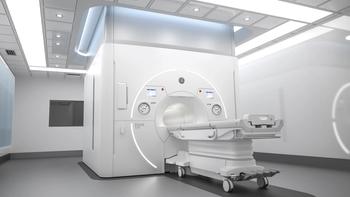
Products focus on Alzheimer’s disease, traumatic brain injury, and accelerating clinical translation.

From augmented reality to virtual reality to robotics to new procedural techniques – the future of interventional radiology is bright.
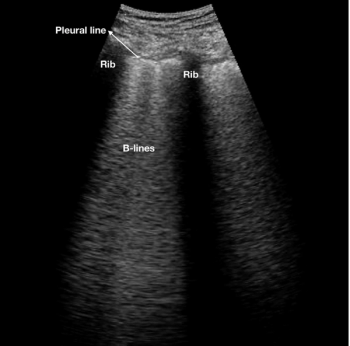
Lung ultrasound scans pinpoint lingering lung damage in patients who meet clinical parameters for hospital discharge, alerting doctors to patients who will need longer-term care.
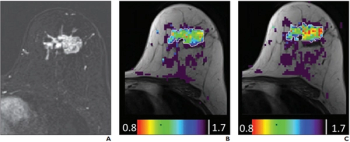
Limitations in contrast enhancement standardization indicate unenhanced diffusion measurement should be preferred.
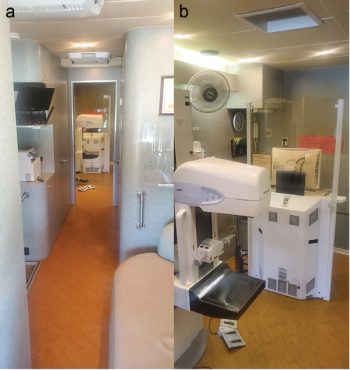
Houston-area mobile mammography program brings screening mammography and access to diagnostic services to women who have barriers to care.
Quality assurance works best as a learning opportunity rather than a mere chance to point out mistakes.
Provider-distributed cards facilitate same-day mammogram screenings for women in racial and ethnic minority groups.
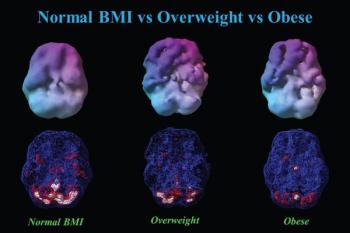
Brain imaging shows blood flow to the brain progressively reduces as a person’s weight increases, promoting the development of Alzheimer's.
Nations with lower breast imaging recall rates and high mammography compliance are less likely to view digital breast tomosynthesis as a cost-effective screening option.
Pediatric Imaging Increase, Appropriate Use Criteria, Radiology Residency Pandemic Branding, Snapchatting Emergency Images

From fashioning a vision to creating a cohesive team to fixing problems, these leadership strategies can strengthen your practice and improve productivity.

Paying attention to these requirements and regulations can help you avoid Medicare over-payments and any potential suggestions of fraud.

More than 90 percent of practices applying for assistance submitted to two or more programs.

Medical imaging and data center will support development of artificial intelligence and medical advancements during the pandemic.
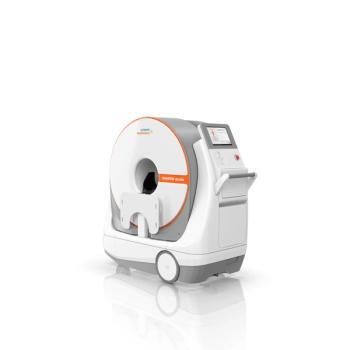
U.S. Food & Drug Administration grants 510(k) clearance for SOMATOM On.site.

Implementing a radiology concierge service can alleviate the administrative tasks that can de-rail your image interpretation time.
In collaboration with Oregon Health & Science University, the American College of Radiology will gather images for a multi-center study focusing on patients with severe, acute viral infection.

Coding and reimbursement expert Melody Mulaik offers insights about what the industry should do to fully prepare for the likely mandatory implementation of appropriate use criteria and clinical decision support.

Emergency providers are utilizing more ultrasound and MRI scans, fewer CTs.
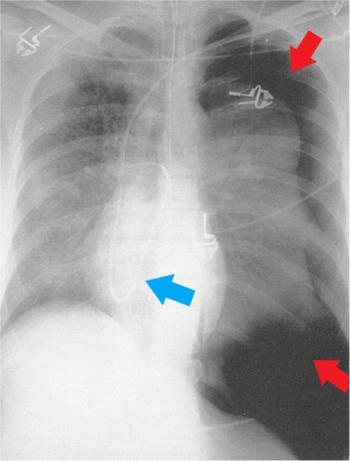
Social media platform Snapchat could be an effective teaching tool for the new generation of radiologists.

COVID-19 has created the need for radiology residency programs to more effectively brand themselves online.

Deal marks first significant move for Siemens Healthineers; sets companies on path to be global oncology care leader.