


When your faculties begin to wander…
When your faculties begin to wander…

SpaceStation MRI protects infusion pumps from magnetic fields, allowing for uninterrupted delivery of medication during imaging.
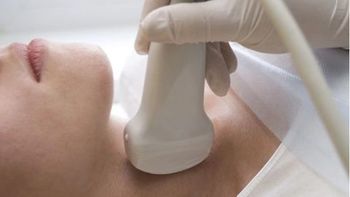
A combination of structured reporting and an automated reporting template can bring errors with these scans down to zero.

FDA regulators moved quickly to accelerate the delivery of replacement parts for imaging equipment that has proven to be critical tools in the diagnosis and treatment of COVID-19.
The test could not only accelerate diagnosis, but it could also reduce costs for the patient.
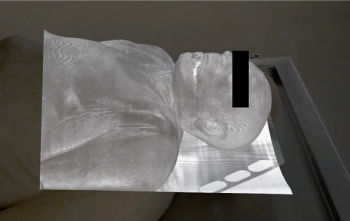
Augmented reality headsets produce both better post-test scores and understanding in head and neck anatomy training.
Artificial intelligence equivalency in breast cancer screening; diffusion-weighted imaging and breast MRI; CT patterns for EVALI; Emergency Department and CT Scan Declines with COVID-19; and Thoracic Imaging Findings of MIS-C.

Artificial intelligence algorithm can identify the same percentage of women with breast cancer as most radiologists.
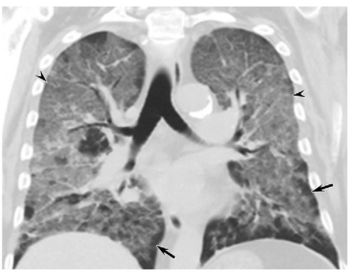
Identified patterns can be used to make more accurate diagnoses and, potentially, avoid unnecessary biopsies.

The dual-layer platform can identify malicious instructions from a host computer.

Three-way comparison shows alternative protocols to standard echo-planar imaging can produce higher quality images with breast cancer screening.

Onvision is designed to increase accuracy of needle placement during peripheral nerve blocks.

Past RBMA President Christie James, American College of Radiology Commission on Economics Chair Greg Nicola, M.D., and Revenue Cycle Coding Strategies President Melody Mulaik discuss the radiology revenue cycle management challenges and solutions of the pandemic.
Drops in emergency department use and referrals for abdominal CTs have led to worsening prognoses for patients with abdominal pain.

Ultrasound is an effective follow-up strategy for masses pinpointed with DBT, potentially side-stepping the need for digital mammography and lower radiation exposure.
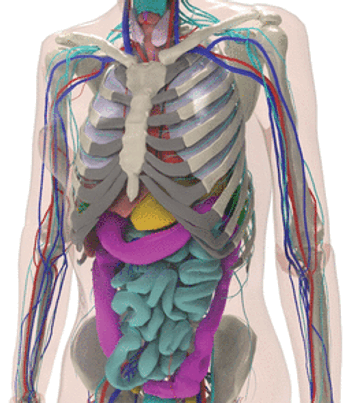
Virtual simulation models can help identify the best ways to use different modalities to improve patient care during the pandemic.
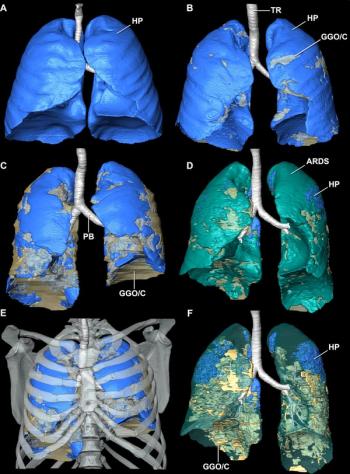
Radiologists have teamed up with evolutionary anatomy scientists, using methods that investigate bird and reptile lungs, to better visualize viral infection in people.
CT and heart attack prediction; lagging outpatient imaging volume recovery; equivalent thoracic MRI performance with COVID-19 pneumonia; and CT colonography during COVID-19

eConsults between primary care providers and radiologists can not only alter patient management, but they can also lower costs and reduce unnecessary imaging.
The company has captured 510(k) clearance for artificial intelligence-based software that facilitates brain and prostate image interpretations.
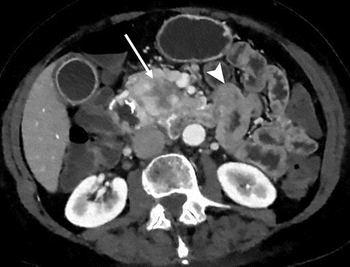
Both radiology residents and attending providers make more interpretive mistakes during evening and overnight hours.
Anticipating where hackers might strike and determining how to prevent attacks can be critical.

Across racial and gender groups, CT scans that measure coronary artery calcium can more accurately predict the 10-year risk for heart attack.
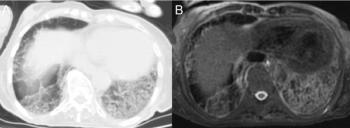
MRI offers high sensitivity and specificity, as well as positive and negative predictive value in detecting infection without the radiation.
Imaging volumes fell farther across most modalities in outpatient imaging centers and are taking longer to rebound.

Looking at the existing push for non-radiologists to interpret exams.
The University of Cincinnati launched a 10-week program that led the department back to roughly 100-percent pre-COVID-19 levels.

Nearly 90 percent of providers report experiencing disabling pain at work with 30 percent indicating the pain prevents regular exercise.

A recent study reveals referring providers do not always read requested second opinions.
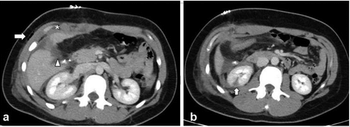
Severe intimate partner violence is five-fold higher this year than in the previous three – radiologists have the opportunity to proactively identify at-risk patients.