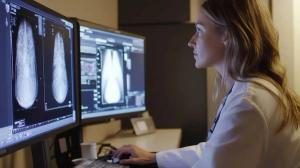

Technology is changing how patients consume radiology results.
Technology is changing how patients consume radiology results.

Radiology's AI players.
Computed tomographic imaging of the colon demonstrates findings predictive for recurrent diverticulitis.

But then I woke up.
Recent FDA review process of inconclusive clinical studies creates a potentially unhealthy decision-making environment for patients needing gadolinium-enhanced MRIs.

In need of a second opinion.

Imaging helps identify ADHD in children and may also distinguish among subtypes of the condition.
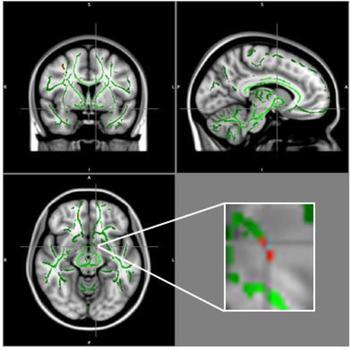
Magnetic resonance images show brain changes among adolescents who are obese.
There is a lot left to learn about deep learning.

Advanced technology, more confusion.
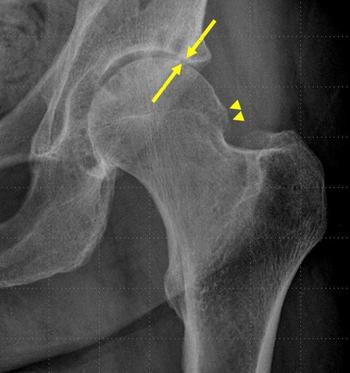
X-rays show that patients with osteoarthritis who receive a hip steroid/anesthetic injection may develop osteonecrosis of the hip.
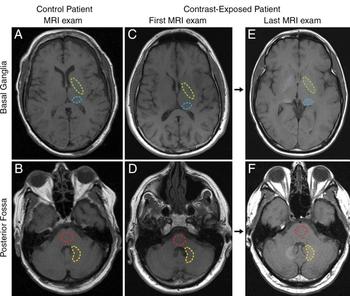
Imaging with gadolinium does not put patients at risk for adverse neurologic outcomes later in life.

Patients can obtain relief from low back pain and sciatica with the use of image-guided pulsed radiofrequency treatments.
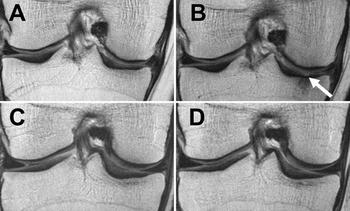
Effect of diet, exercise on people who are overweight or obese who lose weight to help decrease knee cartilage deterioration.

Experts at RSNA 2017 discuss how federal agencies are working to accelerate AI in practice.
Tips for radiology practices on compensating for a loss from MIPS.

Tips on preparing for RSNA.
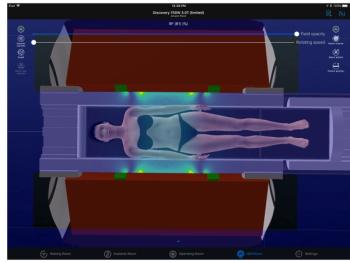
A new app about MR safety has some surprising benefits for efficiency.

Radiology in the reality of decreasing turnaround time expectations.
Abdominal CT studies can help clinicians accurately evaluate the lumbar spine.

Radiology reports may have fewer addenda when residents or fellows are involved in the process.
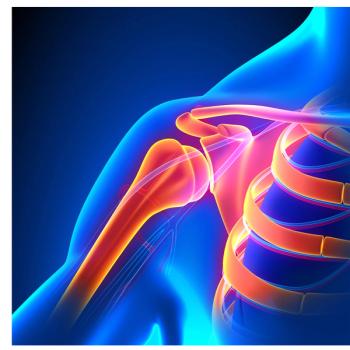
Use of imaging for musculoskeletal extremities has increased significantly over the past 20 years.

Finding the female stars in a male-dominated field.

MRI shows damage to brain tissue among adolescent athletes may continue after they have been cleared to return to sports.

The PanCan approach to lung cancer detection utility in lung cancer screening.
A machine learning module may help predict which high-risk breast lesions are least likely to progress to cancer.
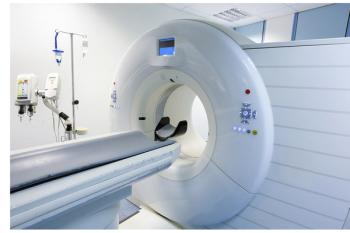
Multiple CT scans for young adults with non-traumatic acute abdominal conditions increase radiation exposure.

Removing the cost barrier of AI in radiology.

Spice up your imaging.

Real-world applications of AI in radiology.