
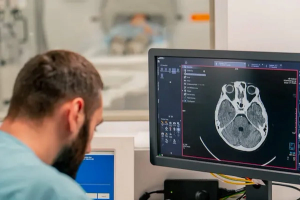

40-week-old male with a prenatally diagnosed abnormality on screening ultrasound. What is the diagnosis?
40-week-old male with a prenatally diagnosed abnormality on screening ultrasound. What is the diagnosis?

Clinicians taking care of patients with high-risk prostate cancer being assessed for prostatectomy can use a positive PET scan as a true positive, but a negative scan cannot be used to exclude disease or inform nodal dissection.

Can you diagnose the finding seen on this panorax?
There doesn’t have to be quite as much bean-counting aggravation behind the scenes.
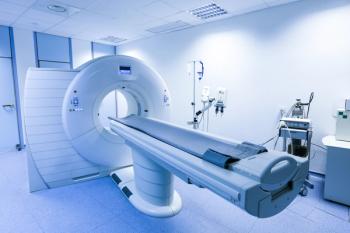
Diagnostic Imaging sat down with medical physicist and CT expert Cynthia H. McCollough, PhD, to learn more about the history of CT and its expanding potential in medical imaging.
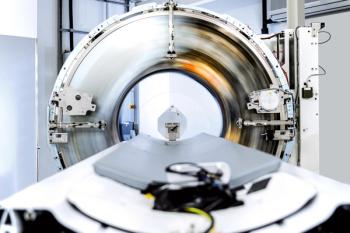
The approval represents the first major technological advance in CT in nearly a decade.
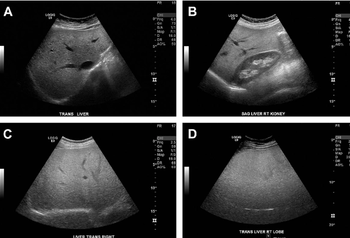
Investigators in Japan developed a statistical model to identify patients with high-risk nonalcoholic steatohepatitis (NASH) using three ultrasound-based markers, which yielded an 86.5% positive predictive value.
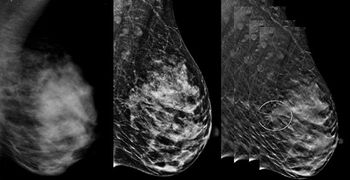
The impact of digital breast tomosynthesis on screening performance and screen-detected cancers appears to generalize beyond trials and academic centers to the community setting.
Can you make the diagnosis?
Considering how huge and packed with stuff the warehouse is, it’s kind of amazing that anything at all can be produced immediately on request.
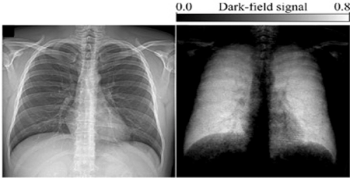
X-ray dark-field chest imaging may generate detailed imaging of lungs without interference from surrounding tissue or influence by characteristics such as age, gender or weight.
Patient presents with hip pain. Can you make the diagnosis?
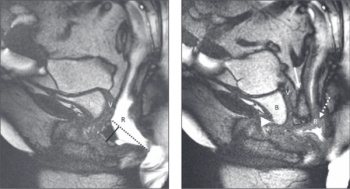
The report provides a universal set of recommendations and language for technique, interpretation and reporting of magnetic resonance defecography and is endorsed by six medical societies.
A 34-year-old patient presents with right femur pain with a possible pathologic fracture and fibrous dysplasia.

If you’ve put in the time and effort, sooner or later you’ll have something coming back to you.
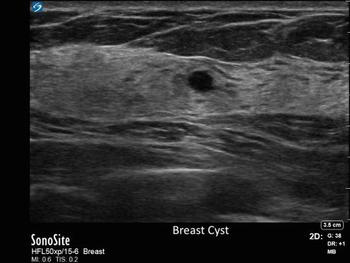
Known as the "Swiss Army knife" of healthcare, point-of-care ultrasound—or POCUS—has come a long way.
What is your diagnosis on this CT of the neck?
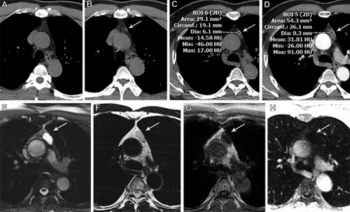
Awareness of the variable imaging characteristics and behavior of thymic cysts over time should help guide clinical management.
A 78-year-old patient presents with chest pain. Can you make the diagnosis?

Work-life balance in healthcare? It's possible (really).
Patients suspected of having coronary stenoses may benefit from ultra-high-resolution CT, according to a recent study that showed high diagnostic confidence in severely calcified coronary atherosclerotic disease.
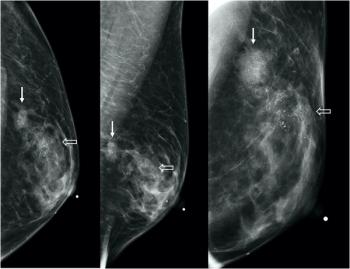
Feminizing hormone therapy may increase the risk of breast cancer in transgender women, a growing body of research suggests, underscoring a need for health care providers to understand the risks, breast imaging features, and health care needs of this demographic.
What radiographic sequela do you see on this knee x-ray?
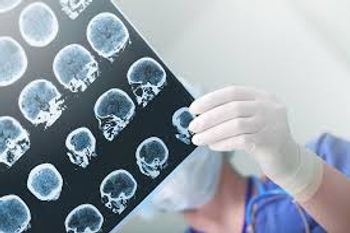
If you allow yourself to adopt an uninformed opinion, you’ll be resistant to facts that undermine it if/when they come your way.
The post-processing software platform can reduce brain imaging acquisition time by 40%.
Computed tomography (CT) abnormalities are reported among a substantial proportion of patients after hospitalization with COVID-19.
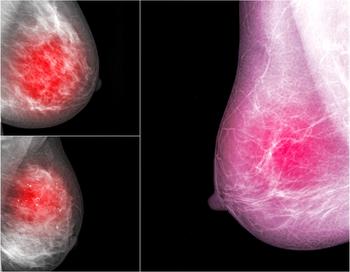
Nonsuppressed background parenchymal enhancement could indicate patients who will show inferior response and allow for a personalized redirection of treatment.
Patient presents with abnormalities of the radius.
What is causing this child’s esophageal and airway obstructive symptoms?

Our professional 'peak' is always transforming--and that's a good thing.