
Created in a partnership, the ultra-fast MRI technique captures images in a single breath-hold -- the project's clinical leader offers insights.
Created in a partnership, the ultra-fast MRI technique captures images in a single breath-hold -- the project's clinical leader offers insights.
Using a deep learning tool slices reading time by nearly 75 percent and makes disease identification easier.

Incidence is rare and should not discourage vaccine use, but providers should be aware of the possibility.

A 45-year-old male patient presented with pain in the right iliac fossa.

American College of Radiology introduces website that offers guidance and resources for the use of artificial intelligence.
Being open to the positives in your daily life will actively decrease the negatives you see.

Study shows patient responses can identify errors and lead to better quality improvement efforts.
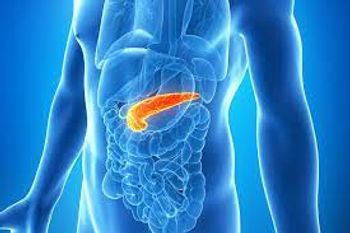
Wide variation in follow-up recommendations for pancreatic cysts could affect supplemental imaging.

Keeping your patient’s data safe requires more advanced tactics.
Take a quick look at Diagnostic Imaging's Top 5 stories of the week.
The latest products released on the market for Quarter 2 2021.

Digital breast tomosynthesis offers benefits over mammography, but it is enough to change screening?
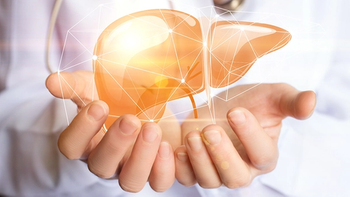
Undergoing more frequent abdominal screening can improve life expectancy and quality of life for patients with hepatocellular carcinoma.

70 year old female with wrist pain. What is the imaging finding?
Funding will be given to sites that can contribute to the Medical Imaging and Data Resource Center (MIDRC).
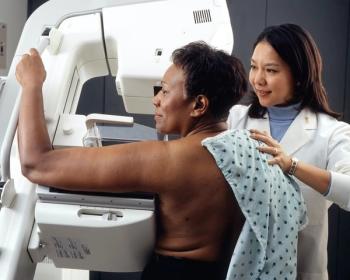
Several factors – other than length of clinical experience – weigh into a provider’s interpretive accuracy.
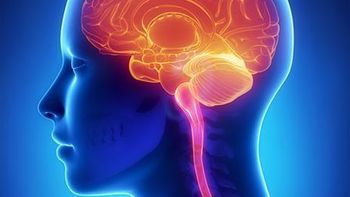
A deep learning algorithm used with brain MRI could help providers identify patients in the early stages of cognitive decline and Alzheimer’s.

Drs. Charles Liu and Jonathan Russin discuss the benefits and potential of fPACT, the alternative to functional MRI.

A provider’s first-person encounter with the specialty as a patient.
A 30-year-old female presents with papilledema. What is the imaging finding?
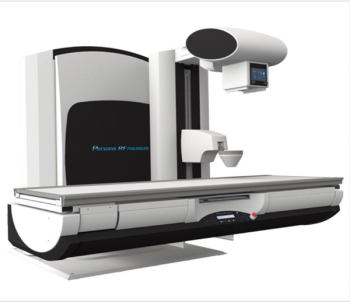
Low-dose, high-resolution system can capture a variety of images for both large and small facilities.
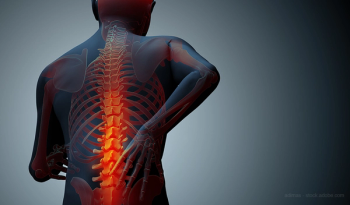
Assessment of more than 1,000 women in Australia shows abdominal aortic calcification linked to increased risk of fall-related hospitalizations.

Here's what to expect this week on Diagnostic Imaging.

Radiology could benefit from actions that support and encourage productivity.
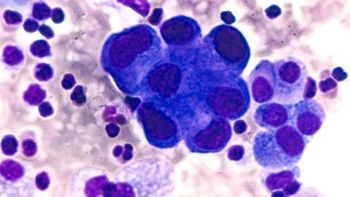
Using PET/CT images to assess the level of a non-small cell lung cancer biomarker can help patients avoid invasive biopsy.
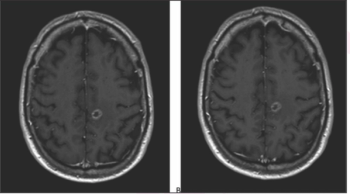
Findings could lead to changes in treatment decisions.
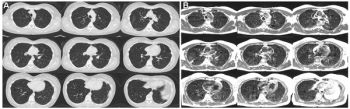
Low-field strength MRI can successfully visualize common lung problems.
These injuries are easy misses for radiologists unfamiliar with the problems – here’s what you should look for.
Take a quick look at Diagnostic Imaging's Top 5 stories of the week.
Identification of optimal heart rate supports use of beta blockers when possible.