
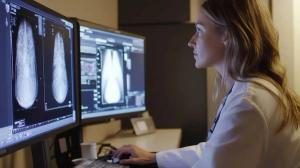

These radiopharmaceuticals are less expensive, and they offer longer half-lives.
These radiopharmaceuticals are less expensive, and they offer longer half-lives.

Advocacy group urges changes for increased patient safety and device performance.
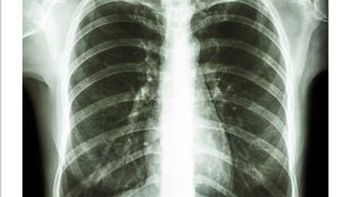
Not all radiologists adhere to practice guidelines that direct providers how to respond to the presence of pulmonary nodules.
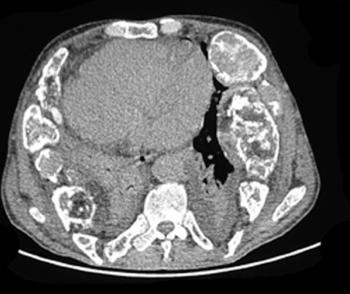
Can you diagnose this patient with a deformed chest wall and chronic history of gradual shortness of breath?

New consensus document pulls from updated evidence and data, answering key questions on use.

Study shows that baseline mammography screening to identify breast density, starting at age 40, is cost-effective.

After more than two decades, women between ages 20 and 39 are seeing a slight increase in the rates of breast cancer mortality.

What will it take to bring interventional radiology to these areas?
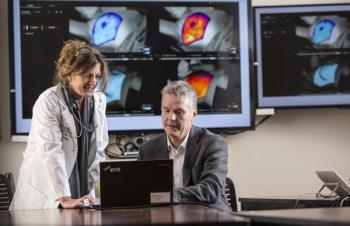
Cherenkov imaging uses special BeamSite cameras to capture radiation beam interaction with tissue, making radiation oncology treatments a visual process.

Instead of concentrating on mis-steps and failures, focus on the opportunities they create.

Here's what to expect this week on Diagnostic Imaging.

Functionality improves patient care by allowing secure image share with providers before technologists leave patients.
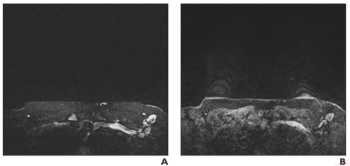
The Hospital of the University of Pennsylvania offers guidance – BI-RADS scoring and follow-up recommendations – for unilateral axillary lymphadenopathies seen on breast MRI in women who have received the vaccine.

Clinical trial results show MRI as more accurate and less intrusive at diagnosis for men with a clinical suspicion of prostate cancer.

Female breast cancer diagnosis is now the most common cancer diagnosis globally, largely affecting women in transitioning countries.
Low-Dose CT Screening for Never Smokers; PET Imaging and Hormone Therapy; Opportunities, Responsibilities, and Challenges for Women in Radiology; and Advances in Thyroid Cancer Imaging
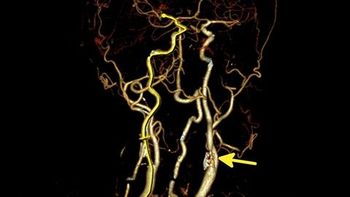
Using imaging to screen asymptomatic individuals can cause more potential harm than good, Task Force reiterates.
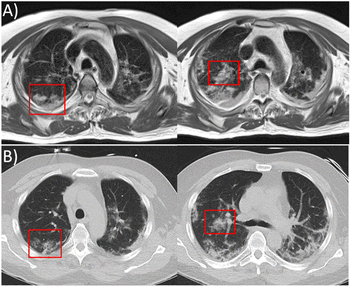
Research MRI images reveal information in 61-year-old COVID-19-positive patient that is similar to that captured by CT.
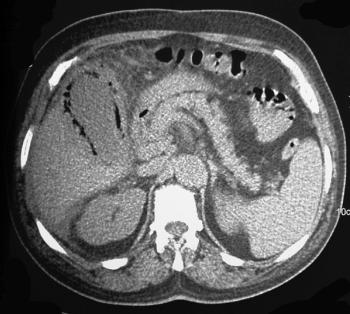
Can you diagnose this patient with pain and sepsis?

On National Women Physicians Day, RadPartners will host a webinar to discuss how healthcare can move toward a more diverse, inclusive culture.
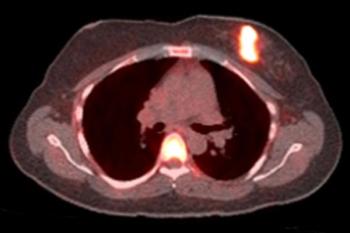
Hormone therapy is only effective in roughly half of estrogen receptor-positive cancers. Being able to identify patients that will not respond could save valuable treatment time.
Is it possible for organizations to strike the right balance between technology adoption and controlling cost to meet current needs?
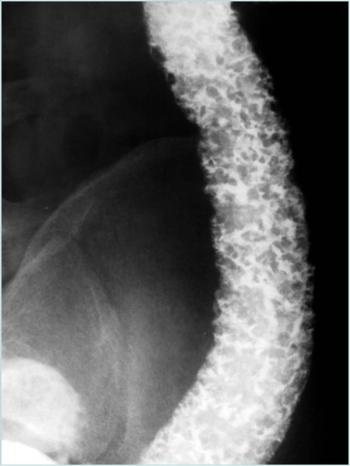
Can you diagnose this patient with bloody stool?
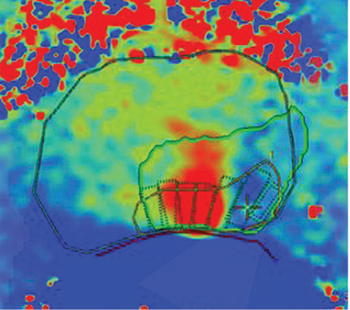
Men with intermediate-risk prostate cancer can be successfully treated with MRI-guided high-intensity focused ultrasound without experiencing incontinence or erectile dysfunction.
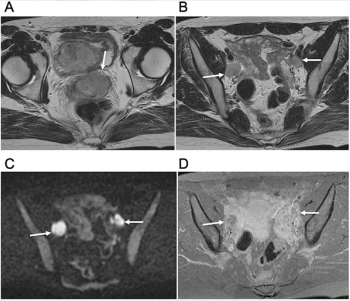
Prognosis for these patients is poor, but MRI can help providers reliably stage their disease.
Research data reveals using LDCT with patients who have never smoked – but who are still at high risk – is effective for lung cancer screening.
Here's what to expect this week on Diagnostic Imaging.

Sometimes the starting point for negotiations can be completely outside the anticipated ball park.
Info sharing is here to stay.

The latest social media networking platform offers greater opportunities for radiology.