
Oncology Ultrasound
Latest News
Advertisement
Latest Videos

Shorts
0:47
Should Breast Radiologists Save AI Output In PACS?
15 days ago
by
Wendie Berg, MD, PhD
0:39
A 'Wake-Up Call' for BI-RADS 3 Audits
a month ago
by
Stamatia Destounis, MD, FACR
0:42
The Advantages of Automated Breast Ultrasound: What New Multicenter Research Reveals
3 months ago
by
Manisha Bahl, MD
0:45
Emphasizing the Evidence on Supplemental Imaging in Women with Dense Breasts
6 months ago
by
Wendie Berg, MD, PhD
0:42
Can Breast Ultrasound AI Help Reduce Benign Biopsies?
6 months ago
by
Manisha Bahl, MD

0:52
Where Things Stand with the Find It Early Act
9 months ago
by
Amy Patel, MD
Podcasts









Advertisement
More News
Catch up on the top AI-related news and research in radiology over the past month.
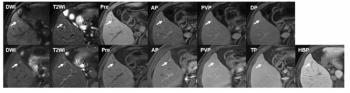
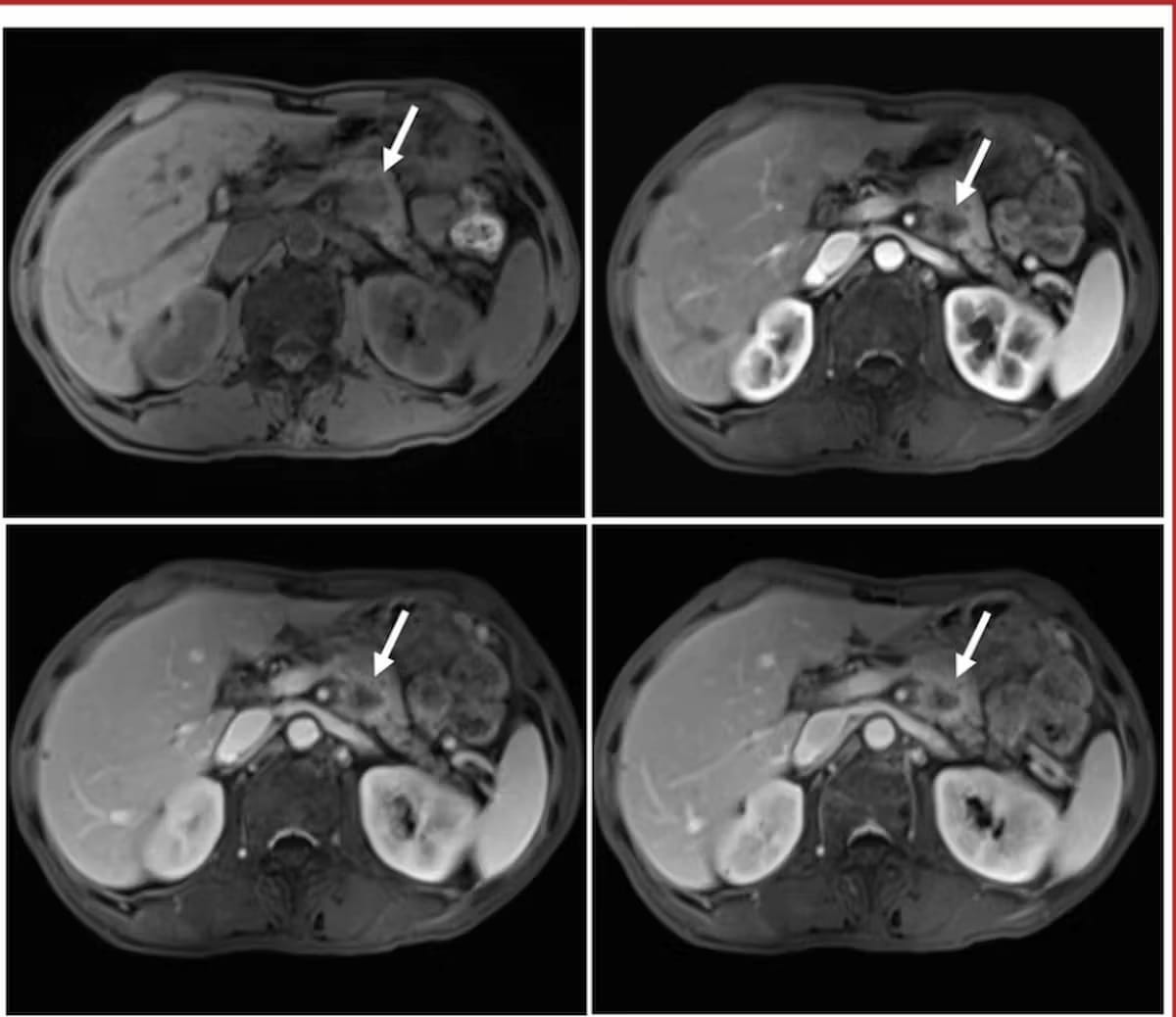
New research revealed that risk-stratified MRI surveillance in patients with cirrhosis led to over a 10 percent increase in early detection and over a 44 percent decrease in surveillance exams in comparison to reported results with semiannual ultrasound monitoring.
Catch up on the top radiology content of the past week.
Catch up on the latest episodes of our Breast Imaging in Focus series with Manisha Bahl, MD, MPH, FSBI, discussing research on a variety of topics including breast arterial calcification on mammograms, automated breast ultrasound, AI and GLP-1 receptor agonists.
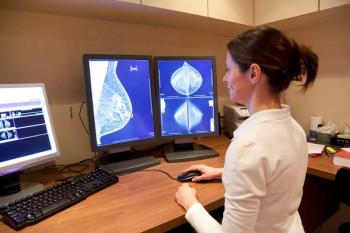
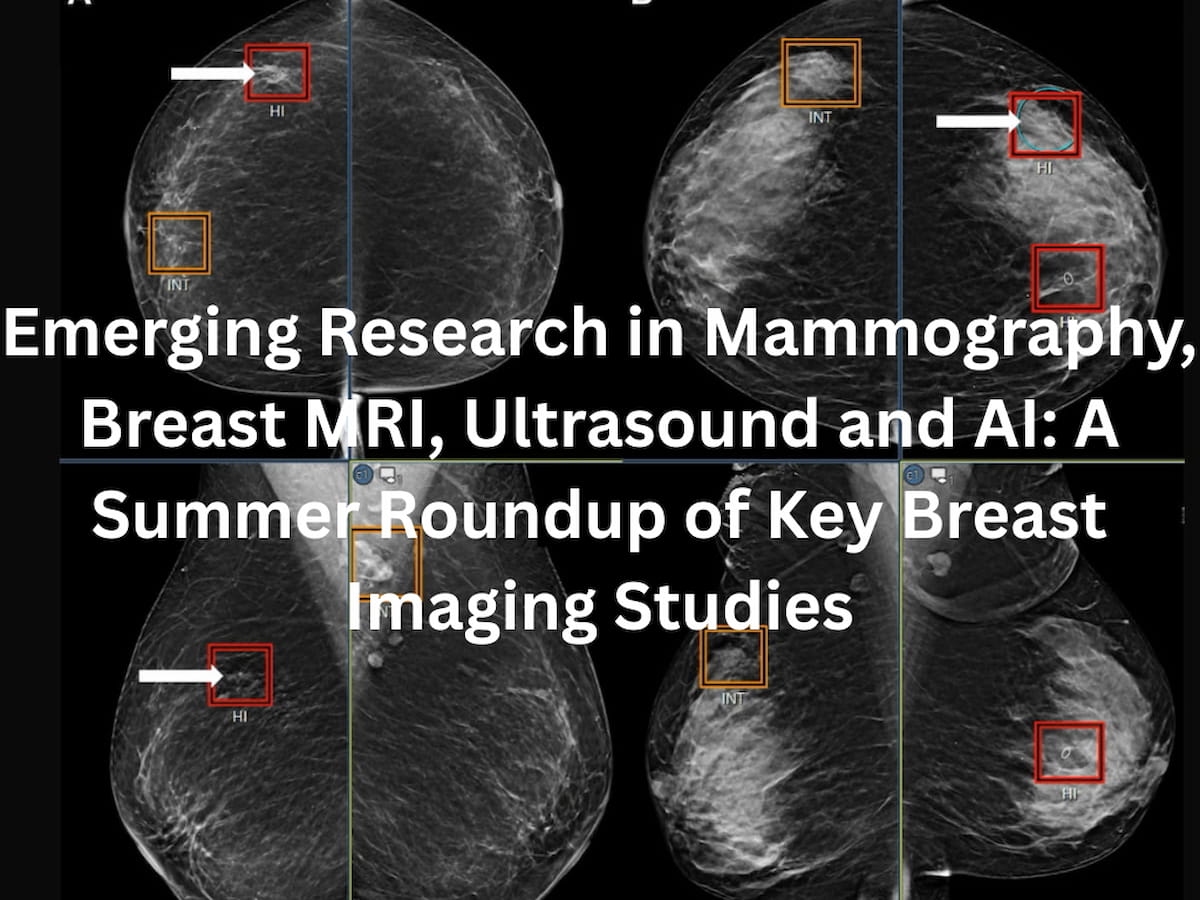
In a recently published review of the BI-RADS v2025 manual, leading breast radiologists offered pertinent insights on key changes for reporting of mammogram, breast ultrasound and breast MRI interpretation and assessment.
Catch up on the top AI-related news and research in radiology over the past month.
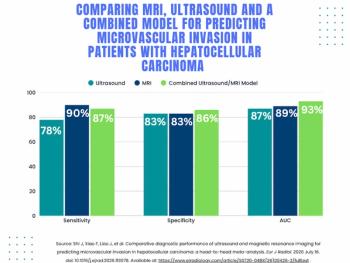
A model combining MRI and ultrasound findings yielded a 93 percent AUC for predicting microvascular invasion in hepatocellular carcinoma.
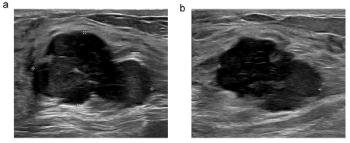
While use of an AI software demonstrated significantly higher accuracy in evaluating BI-RADS 2 presentations and no significant difference with radiologists in BI-RADS 4 assessments of breast ultrasound in a sub-analysis, researchers noted the exclusion of galactoceles, fluid collections and skin lesions that are commonly found in pregnant and lactating women.
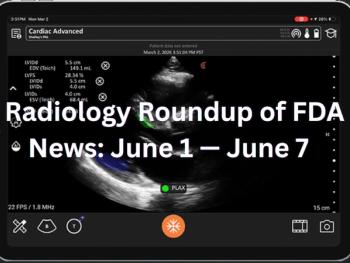
Catch up on a variety of new FDA clearances in radiology from the past week.
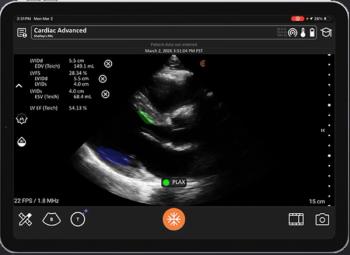
Reportedly trained on thousands of cardiac ultrasound images, the Ejection Fraction (EF) AI tool provides automated measurement of left ventricular ejection fraction (LVEF) in seconds.
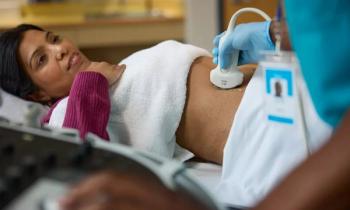
The AI-powered Elevate Plus reportedly facilitates standardization of routine ultrasound, improves scan time and bolsters image quality.
Catch up on the most-well viewed radiology content in May 2026.
Catch up on the top radiology content of the past week.
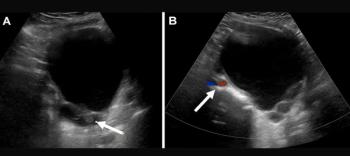
Cystadenomas and cystadenofibromas accounted for 46 percent of benign lesions initially scored as O-RADS 4 and 5 lesions on pelvic ultrasound, according to newly published research.
In a recent interview, Manisha Bahl, MD, discussed new breast ultrasound research findings that showed 16 percent higher specificity for breast cancer with adjunctive AI in comparison to unassisted interpretation.

Approximately 15 percent of women with abnormal screening mammography results and adverse social determinants of health (SDOH) had follow-up diagnostic mammography or breast ultrasound within 30 days, according to multinational research presented at the Society of Breast Imaging symposium.
Catch up on a variety of new FDA clearances and approvals in radiology from the past week.
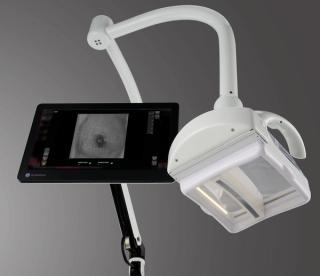
Providing 3D ultrasound tomographic views, the Breast Acoustic CT device has an updated configuration that reportedly improves coverage and visualization of posterior breast tissue.
Catch up on the top radiology content of the past week.
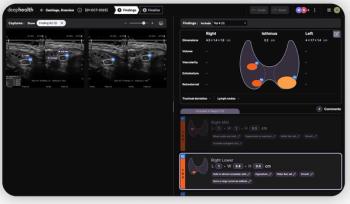
In addition to significantly reduced interpretation time, researchers found that adjunctive AI with ultrasound resulted in accuracy improvements of greater than 7 percent for nodule echogenicity and 16 percent for nodule margin assessments.
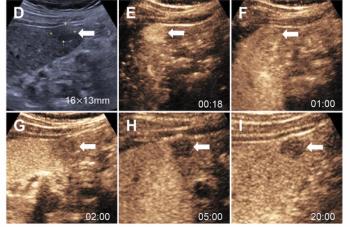
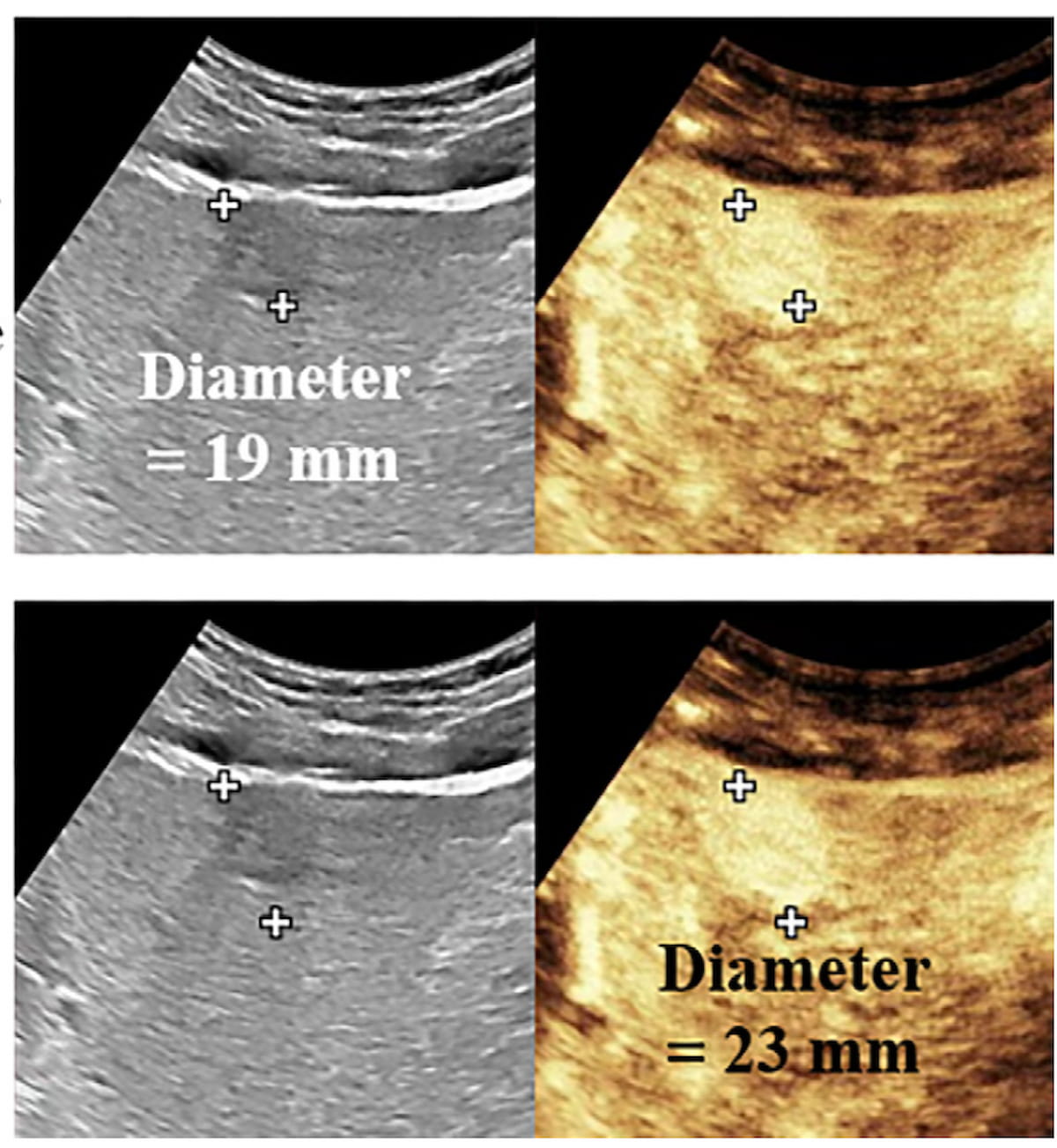
In comparison to LI-RADS version 2018 for MRI assessment, the use of perfluorobutane-enhanced ultrasound incorporating Kupffer-phase findings yielded comparable sensitivity and specificity for detecting hepatocellular carcinoma (HCC) nodules < 20 mm in high-risk patients, according to new research.
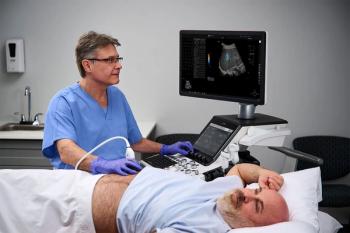
Offering AI-powered automation features and advanced imaging capabilities, the new LOGIQ E10 series, the LOGIC Fortis™ and the LOGIQ Totus™ ultrasound platforms will be introduced at the European Congress of Radiology in March.
Catch up on the top radiology content of the past week.
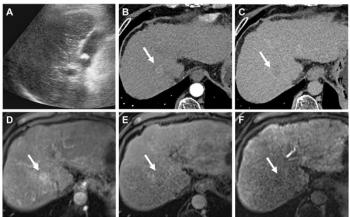
In a prospective comparison with prior criteria for evaluating hepatocellular carcinoma surveillance, the American Association for the Study of Liver Diseases (AASLD) version 2023 system offered significantly higher sensitivity.
Catch up on a variety of new FDA clearances in radiology from the past week.
Advertisement
Advertisement
Trending on Diagnostic Imaging
1
FDA Clears MRI-Based AI Software for Prognostic Evaluation of Patients with Mild Cognitive Impairment
2
FDA Clears AI-Enabled FFR-IQ Software for Estimating Fractional Flow Reserve from CCTA
3
The Reading Room Podcast: Emerging Concepts with AI Integration in Radiology
4
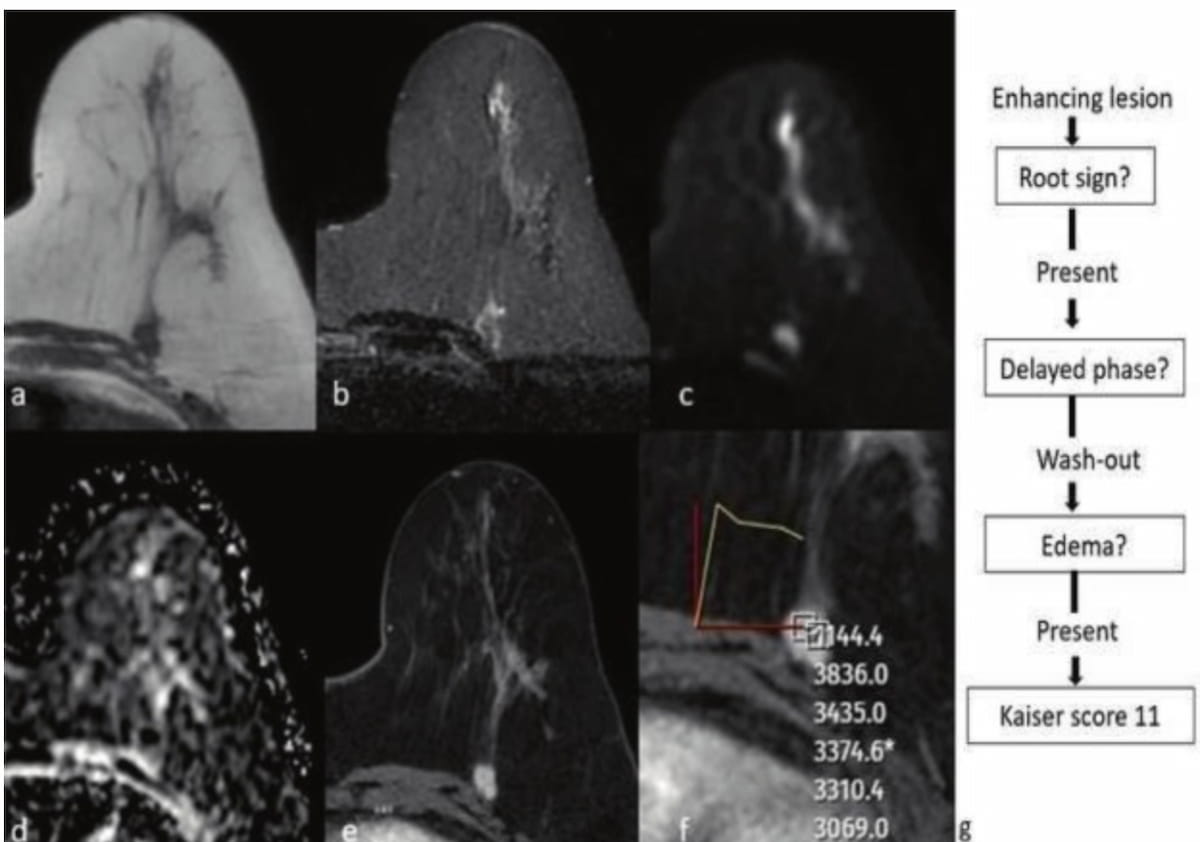
Can the Kaiser Score with Breast MRI Improve Clarity for BI-RADS 0 and 4 Assessments on Mammography and Ultrasound?
5