

Catch up on the top radiology content of the past week.
Catch up on the top radiology content of the past week.
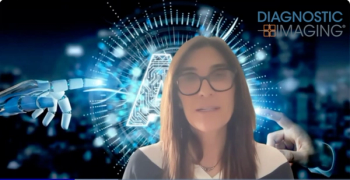
In a recent interview, Nina Kottler, MD, discussed the challenges with traditional radiology reporting, its impact on cognitive load and the recently launched AI-enabled platform Mosaic Reporting.

New research suggests the silent accumulated social costs of remote work are outweighing the benefits of increased flexibility and autonomy.

In the latest episode of her “Breast Imaging in Focus” series, Manisha Bahl, MD, MPH, FSBI, discusses new research findings from a study involving over 111,000 women that suggest the potential utility of GLP-1 receptor agonists for reducing breast cancer risk.
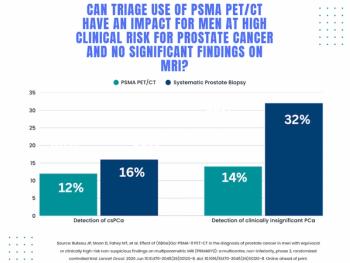
For men with high clinical risk for prostate cancer (PCa) and a lack of significant findings on mpMRI, triage use of PSMA PET/CT resulted in a 49 percent reduction of biopsies and an 18 percent reduction in detection of clinically insignificant PCa, according to newly published research.
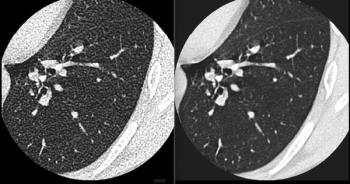
The AI-enabled image processing with SubtleHD(CT) software reportedly facilitates improved noise reduction and image quality for computed tomography (CT) exams.
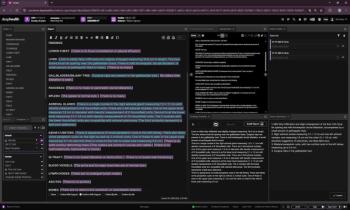
The Reporting Pro software reportedly offers an array of AI-enabled features that may help streamline radiology reports.

In a new survey of over 2,000 health-care professionals on AI use, respondents cited benefits ranging from improved work-life balance to preventing medical errors as well as concerns about overreliance on AI and inconsistent or limited training.

In recent interviews, Emanuel Kanal, MD, and Tobias Gilk, MRSO, MRSE, noted a lack of point-of-care safety requirements for MRI, a lack of state oversight, and a prevailing lack of minimum standards overall for MRI safety.
What radiology leaders need to know about the 2026 Medicare Physician Fee Schedule.

David Gruen, MD, MBA, FACR, of Advanced Radiology Consultants, shares how leading programs turned clinical evidence into operational reality.
What's already being done with large language models in radiology practice today.
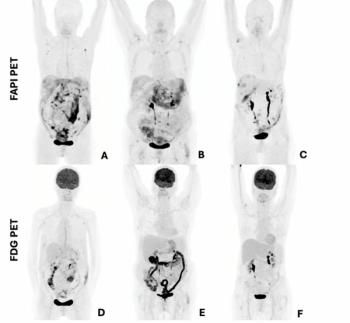
Preoperative use of (68Ga)Ga-FAPI-46 PET/CT demonstrated an 81 percent intraclass correlation coefficient (ICC) with the intraoperative peritoneal cancer index (PCI) in comparison to 76 percent for MRI and 54 percent for (18F)FDG PET/CT (FDG PET), according to new research presented at the SNMMI conference.
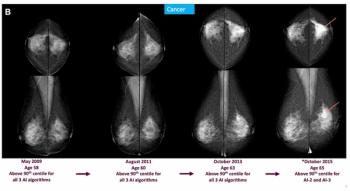
The proportion of breast cancer potentially flagged by three different AI algorithms 10 years prior to diagnosis ranged between 12.7 to 17 percent, according to newly published retrospective research.
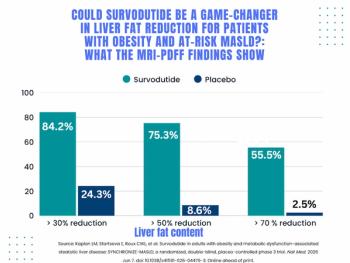
Use of the glucagon receptor/glucagon-like peptide-1 receptor dual agonist survodutide led to a > 30 percent reduction in liver fat content in nearly 85 percent of obese patients with at-risk MASLD, according to MRI findings in new phase 3 research.

Are you on the right path to financial independence and retiring early?
Catch up on a variety of new FDA clearances in radiology from the past week.
Catch up on the top radiology content of the past week.
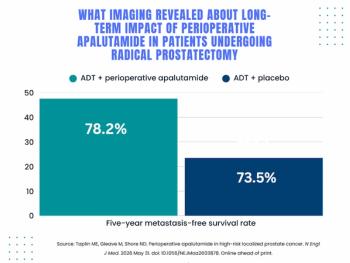
While researchers saw no significant difference in metastasis-free survival with the use of perioperative apalutamide in patients undergoing radical prostatectomy based on conventional imaging alone, the addition of PSMA PET imaging revealed a 20 percent higher likelihood of metastasis-free survival with adjunctive apalutamide.
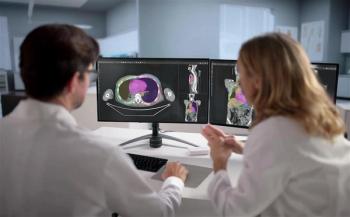
The MIM Contour ProtegeAI+ 2.0 software reportedly offers new AI-powered contouring models for brain MRIs and pelvic CTs.

In comparison to short-axial field of view PET/CT scanners, a total body PET/CT imaging platform with a long axis field of view detected more lesions in 68 percent of patients while reducing scan times by 83 percent, according to new research presented at the SNMMI conference.
In a recent interview, Phillip Kuo, MD, discussed new comparative multicenter prospective research, presented at the SNMMI conference, examining the urinary radioactivity of two PSMA PET radiotracers 18F-piflufolastat and 18F-flotufolastat.
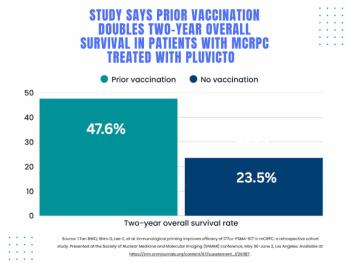
Prior vaccination for prostate cancer-specific antigens was associated with more than double the rate of two-year overall survival in patients with mCRPC who were treated with 177Lu-PSMA-617, according to new research presented at the SNMMI conference.
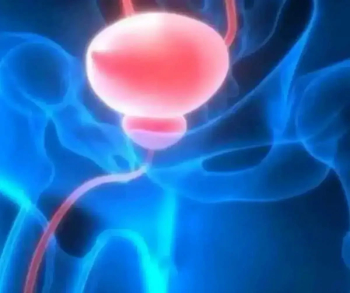
Preliminary research findings, presented at the SNMMI conference, suggest that the alpha-emitting radioconjugate ATNM-400 may be a viable alternative for treating PCa that is resistant to androgen receptor pathway inhibitors (ARPIs).
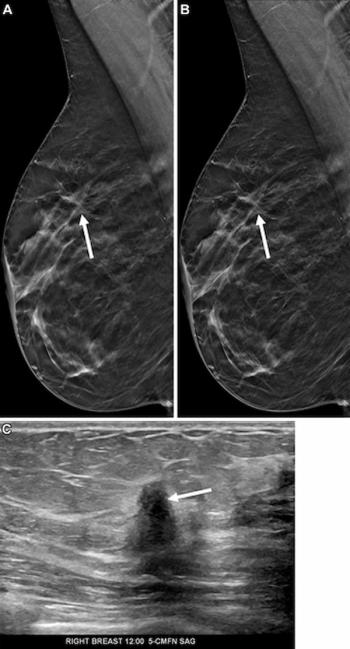
Noting the potential for workload efficiencies in interpreting screening digital breast tomosynthesis (DBT) images, researchers found the use of slab reconstruction technology improved specificity without any impact on sensitivity or cancer detection rate.
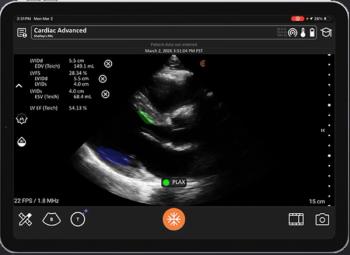
Reportedly trained on thousands of cardiac ultrasound images, the Ejection Fraction (EF) AI tool provides automated measurement of left ventricular ejection fraction (LVEF) in seconds.
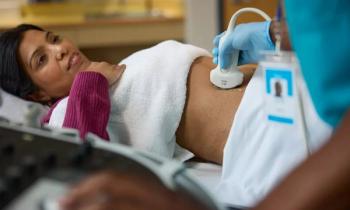
The AI-powered Elevate Plus reportedly facilitates standardization of routine ultrasound, improves scan time and bolsters image quality.
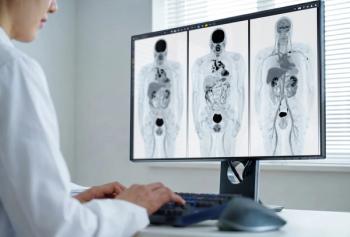
Emphasizing the capability to evaluate the spatiotemporal distribution of PET radiotracers, the MIM KineticID software may provide greater quantitative insights into oncologic, cardiovascular and neurological disease management.
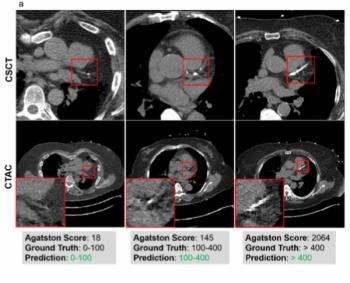
For patients undergoing myocardial perfusion PET/CT, a deep learning model demonstrated greater than 83 percent AUCs for classifying those with low- and high-risk coronary artery calcium (CAC) burden, according to new research presented at the SNMMI conference.
In the latest episode of the Molecular Imaging in Focus series, Isabelle Boileau, PhD, discussed preliminary research, presented at the SNMMI conference, which suggests the utility of a novel tau PET imaging agent that may help detect chronic traumatic encephalopathy (CTE) in living patients.