







Catch up on the top radiology content of the past week.
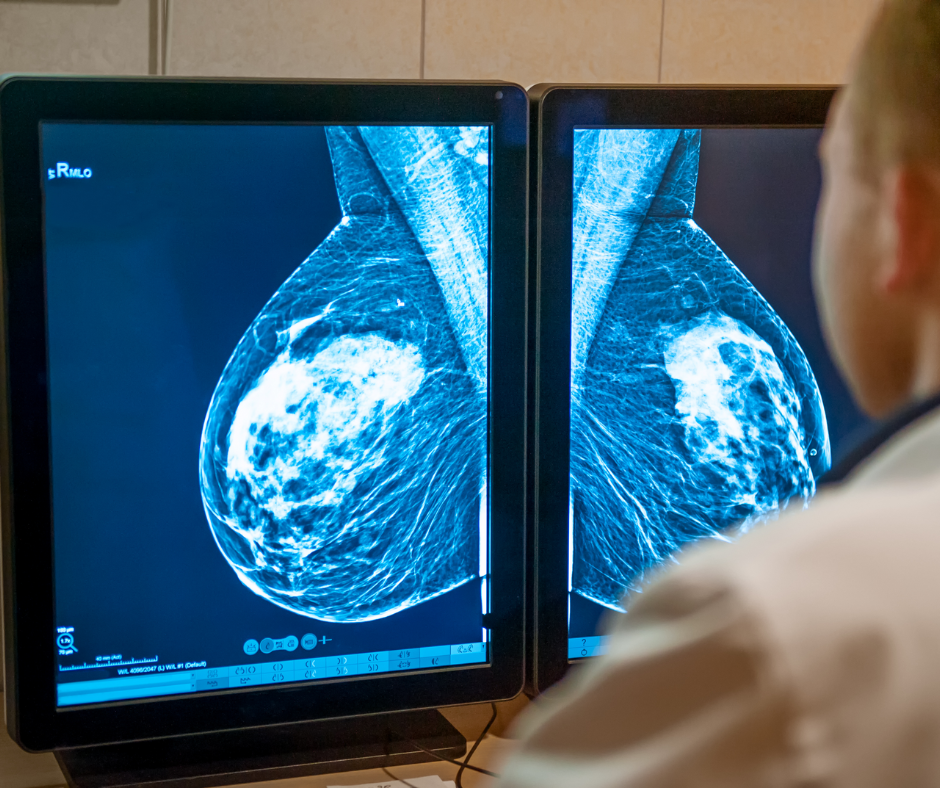
New research from the American Cancer Society comparing pre-pandemic cancer screening prevalence to the second year of the COVID-19 pandemic in the United States showed a 1.1 million decrease in breast cancer screenings, a 4.4 million decrease in cervical cancer screening and a 600,000 decrease in prostate cancer screenings.
Catch up on the top radiology content of the past week.
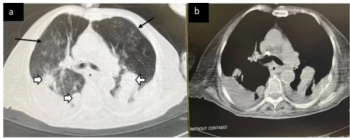
Approximately 43 percent of patients with COVID-19 and preexisting cancer presented with atypical or indeterminate findings on chest computed tomography (CT) scans.
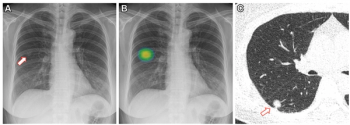
In newly published research, researchers found that an artificial intelligence (AI) computer-aided detection (CAD) system was more than twice as likely as non-AI assessment to diagnose actionable lung nodules on chest X-rays.

Review the case study and test your knowledge to make the correct diagnosis.
Catch up on the top radiology content of the past week.
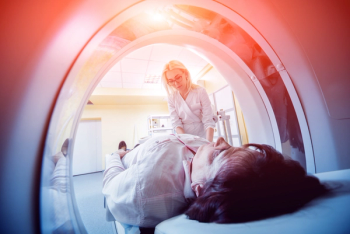
Researchers showed that adjunctive use of a deep learning algorithm resulted in an eight percent increase in sensitivity and a nearly 10 percent increase in specificity for differentiating between colon carcinoma and acute diverticulitis on computed tomography (CT) scans.
Catch up on the top radiology content of the past week.

Catch up on the top AI-related news and research of the past month.
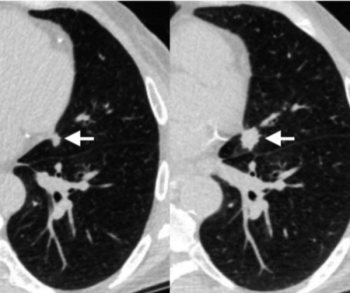
Trained and developed on over 35,000 low-dose computed tomography (LDCT) scans and validated in three independent data sets, a deep learning algorithm demonstrated an average area under the curve (AUC) of 90.6 percent for predicting lung cancer within one year.
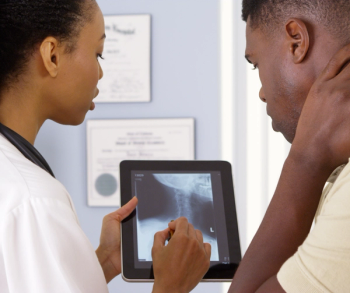
In a provocative new article, radiology researchers discuss the impact of social determinants of health (SDoH) upon access to care and patient outcomes, and present strategies within the realms of radiology education, research, clinical care, and innovation that may help mitigate health-care disparities.
Catch up on the top radiology content of the past week.
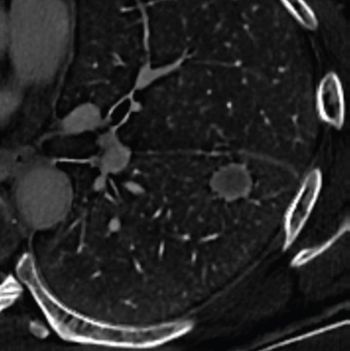
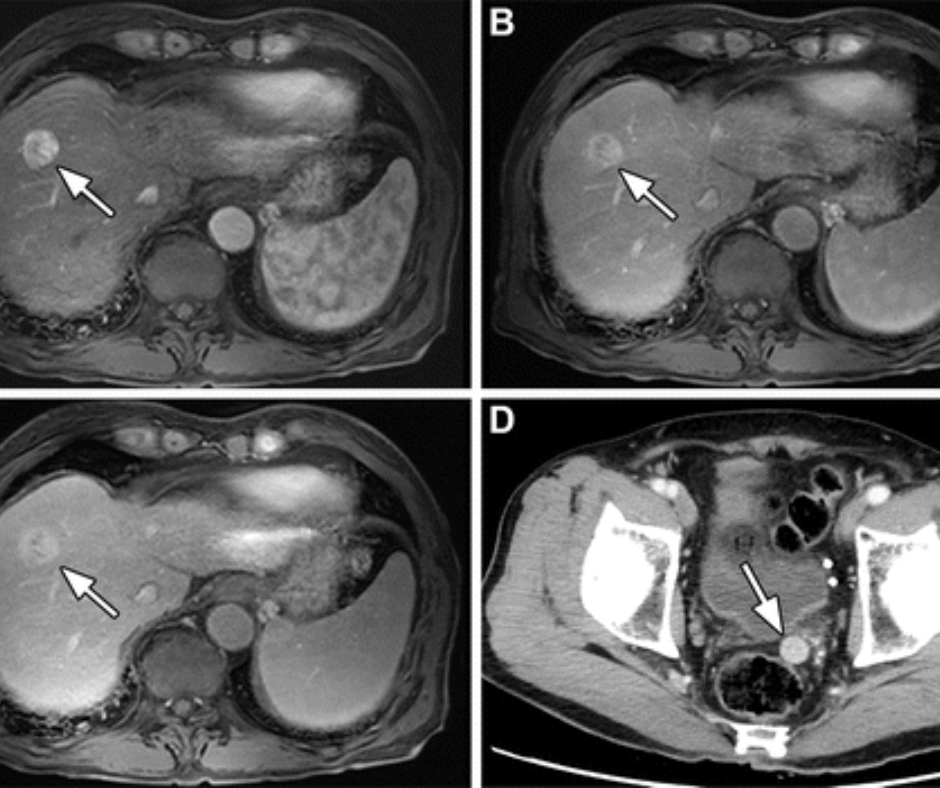
In comparison to primary lung cancer, pulmonary metastases had a 33 percent higher frequency of ring-like peripheral high iodine concentration on dual-energy computed tomography (DECT), according to a new retrospective study.
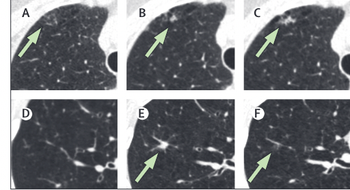
From incidental findings and screening for chronic obstructive pulmonary disease (COPD) to surveillance imaging protocols and the advent of artificial intelligence (AI), the authors of a new meta-analysis examine insights and emerging trends from the last two decades of research on the use of low-dose computed tomography (CT) in lung cancer screening.
Check out the top radiology content of the past week.

Is there an optimal pace for navigating the ebbs and flows of our worklists in radiology?

Catch up on the most well-viewed video interviews from Diagnostic Imaging in 2022.
Touching on a variety of topics in radiology, here are the top five most well-read articles from Diagnostic Imaging in 2022.
Catch up on the most well-read computed tomography (CT) articles from 2022.
Catch up on the top radiology content of the past week.
In a new study based on five- to six-year follow-up data from over 650,000 children and young adults who had at least one computed tomography (CT) exam prior to the age of 22, researchers found a “strong dose-response relationship” between increased CT radiation exposure and brain cancer.
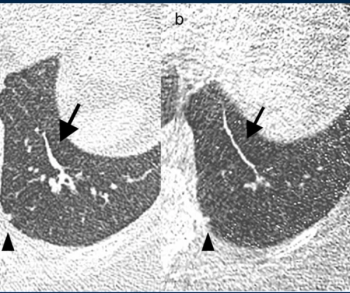
Ultra-low-dose computed tomography (ULDCT) may have similar efficacy as low-dose CT (LDCT) for detecting a variety of pulmonary conditions in people with current or past smoking histories, but had poor detection of ground glass opacification lesions, according to a recent prospective study presented at the Radiological Society of North America (RSNA) conference.
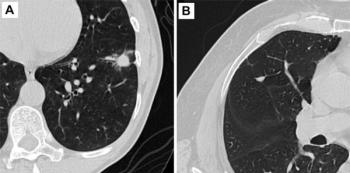
Emphasizing the benefits of annual lung cancer screening with low-dose computed tomography (CT), researchers noted high 20-year survival rates for a variety of early-stage lung cancer tumor presentations, including a 100 percent survival rate for those with non-solid or partly solid cancerous nodules.
Catch up on the top radiology content of the past week.

A new study of nearly 17 million emergency department (ED) visits by Medicare beneficiaries between 2005 and 2020 revealed the presence of non-physician practitioners (NPPs) was associated with a 5.3 percent increase in imaging.
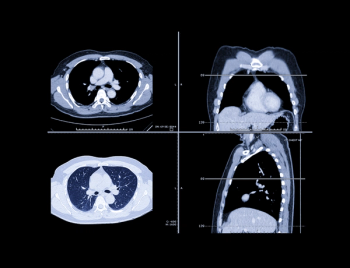
In the newly released Lung-RADS 2022 classification system for computed tomography (CT) lung cancer screening, the American College of Radiology (ACR) has noted a variety of updates including new classification criteria for atypical pulmonary cysts and airway nodules, time intervals for nodule growth and a new stepped management approach for Lung-RADS categories 3 and 4A.