


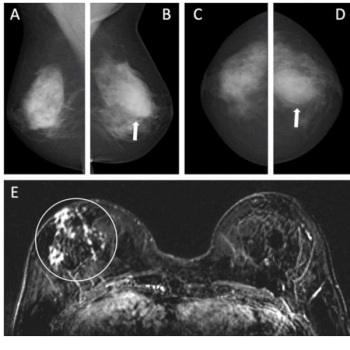
For women with intermediate risk and a personal history of breast cancer, an emerging AI system offered an 81 percent AUC for breast cancer detection, according to new research.

Newly FDA-Cleared AI Software Facilitates Advanced Denoising and Accelerated Scan Times for MRI

Emerging MRI Scoring System May Help Predict Recurrent and Metastatic Hepatocellular Carcinoma
For women with intermediate risk and a personal history of breast cancer, an emerging AI system offered an 81 percent AUC for breast cancer detection, according to new research.
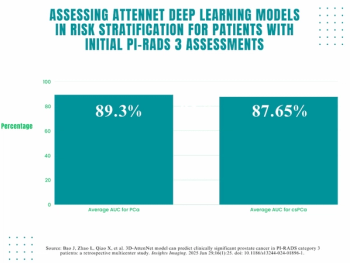
In external validation testing, a deep learning model demonstrated an average AUC of 87.6 percent for detecting clinically significant prostate cancer (csPCA) on prostate MRI for patients with PI-RADS 3 assessments.
Catch up on the most-well viewed radiology content in January 2025.
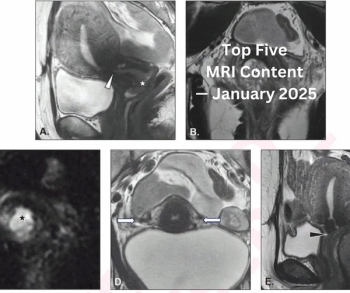
Catch up on the most-well viewed MRI content in January 2025.
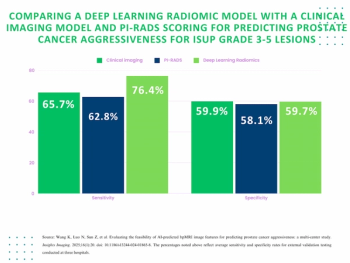
An emerging deep learning radiomics model based on biparametric MRI (bpMRI) offered a 14 to 17 percent higher AUC range than PI-RADS scoring for predicting the aggressiveness of prostate cancer, according to new research findings.
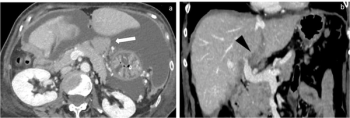
In an update of previous guidelines from the European Society of Urogenital Radiology published in 2010, a 21-expert panel offered consensus recommendations on the utility of CT, MRI and PET-CT in the staging and follow-up imaging for patients with ovarian cancer.
Catch up on the top radiology content of the past week.
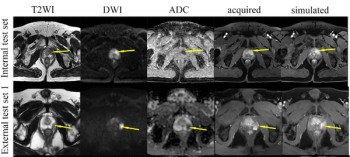
Deep learning synthesis of contrast-enhanced MRI from non-contrast prostate MRI sequences provided an average multiscale structural similarity index of 70 percent with actual contrast-enhanced prostate MRI in external validation testing from newly published research.
Employing baseline MRI and clinical data, an emerging deep learning model was 32 percent more likely to predict the progression of low-risk prostate cancer (PCa) to clinically significant prostate cancer (csPCa), according to new research.
Catch up on the top radiology content of the past week.
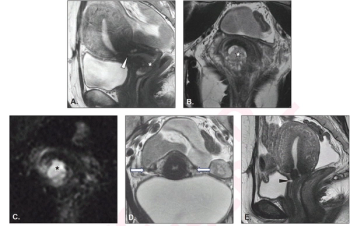
In a literature review that includes insights from recently issued guidelines from multiple European medical societies, researchers discuss the role of magnetic resonance imaging (MRI) in facilitating appropriate patient selection for fertility-sparing treatments to address early-stage endometrial and cervical cancer.
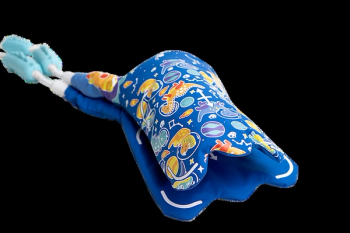
InkSpace Imaging’s 24-channel MRI coil, which will be included in Magnetom 1.5T scanners from Siemens Healthineers, reportedly facilitates quicker set-ups for technologists and enhanced spatial resolution.
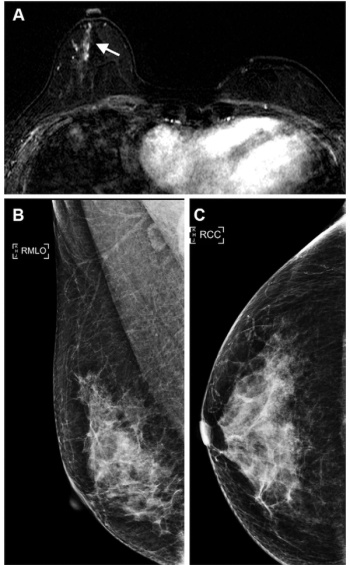
After propensity score matching in a study of over 3,000 women with a personal history of breast cancer, researchers found that surveillance breast MRI facilitated a 59 percent lower risk in advanced presentations of second breast cancers.
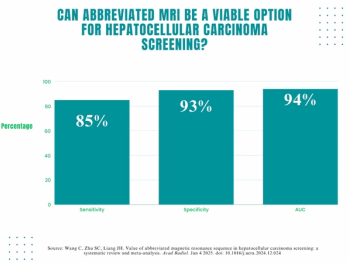
For hepatocellular carcinoma screening, a 19-study meta-analysis found the abbreviated MRI sequencing protocol of T2-weighted MRI, diffusion-weighted imaging (DWI) and hepatobiliary phase (HBP) imaging offered 88 percent sensitivity and 93 percent specificity.
Catch up on the top radiology content of the past week.
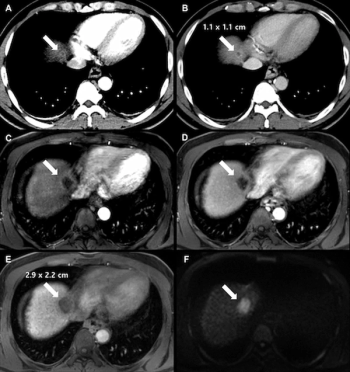
Seventy percent of LR-M hepatocellular carcinoma (HCC) cases were associated with rapid growth in comparison to 12.5 percent of LR-4 HCCs and 28.5 percent of LR-4 HCCs, according to a new study.
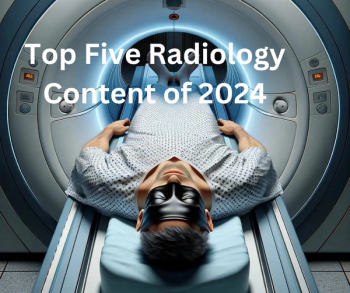
Touching on a variety of topics in radiology, here are the top five most well-viewed content from Diagnostic Imaging in 2024.
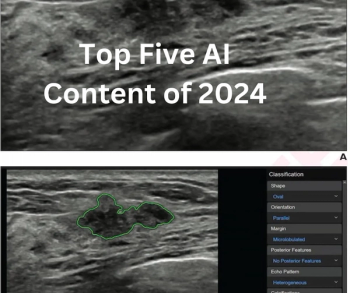
Catch up on the most viewed content on AI in radiology from 2024.
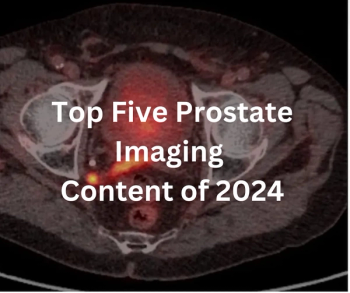
Catch up on the most well-viewed prostate imaging content from 2024.
Catch up on the top AI-related news and research in radiology over the past month.
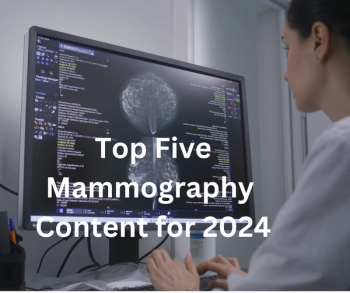
Catch up on the most well-read mammography articles from 2024.
Catch up on the top radiology content of the past week.
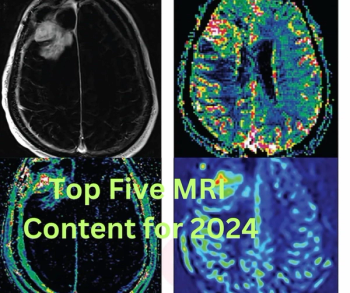
Catch up on the most well-viewed magnetic resonance imaging (MRI) content from 2024.
Catch up on the top radiology content of the past week.
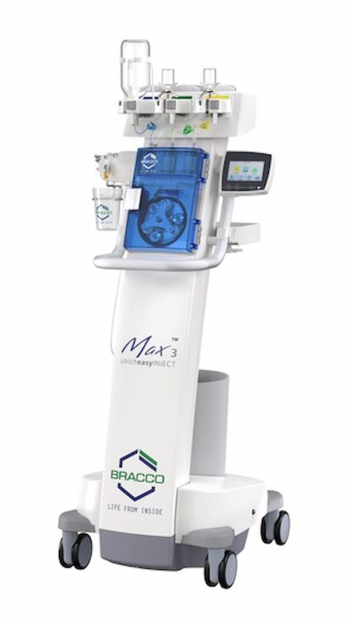
The Max 3 syringe-less injector reportedly offers improved efficiency and intuitive features with contrast media use for magnetic resonance imaging.