


Catch up on the top AI-related news and research in radiology over the past month.

Additional carcinoma in the ipsilateral breast was detected on preoperative MRI exams in 24 out of 102 women prior to lumpectomy and mastectomy procedures, according to new study findings presented at the 2024 American Society of Clinical Oncology (ASCO) Annual Meeting in Chicago.
Catch up on the top AI-related news and research in radiology over the past month.
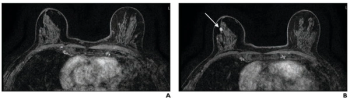
In a study of over 2,000 women with dense breasts and average breast cancer risk, abbreviated MRI (AB-MR) demonstrated an 18.9 per 1000 cancer detection rate (CDR) in baseline exams, and all cancers detected with baseline or subsequent AB/MR exams were stage 0 or 1.
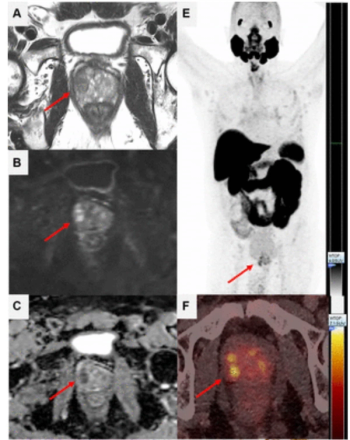
New prospective research examining the utility of 18F-PSMA-1007 PET/CT revealed comparable sensitivity to mpMRI for detecting clinically significant prostate cancer and a 17 percent higher specificity rate.
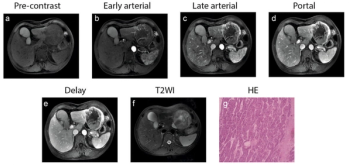
Incorporating dynamic contrast-enhanced MRI, a deep learning model demonstrated a 20 percent higher AUC in external validation testing than clinical factors alone and over a 17 percent higher AUC than radiological factors alone in predicting proliferative hepatocellular carcinoma (HCC).
Catch up on the top radiology content of the past week.

In recognition of National Women’s Health Month, Dana Bonaminio, MD, Amy Patel, MD, and Stacy Smith-Foley, MD, shared their thoughts and perspectives on the recently updated breast cancer screening recommendations from the United States Preventive Services Task Force (USPSTF).
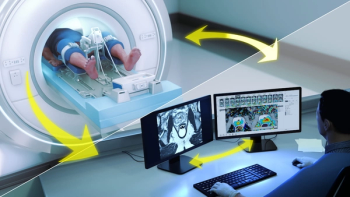
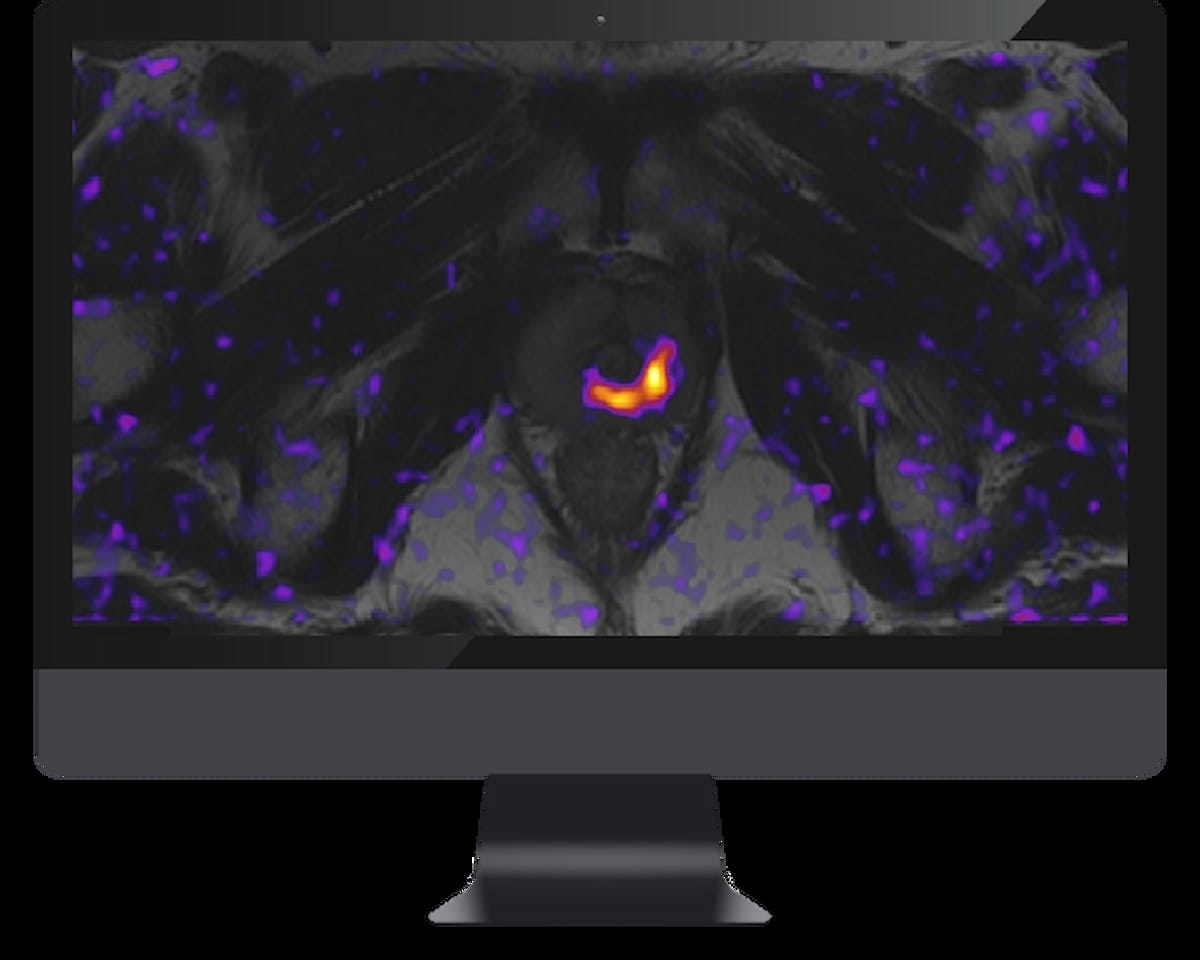
The artificial intelligence (AI)-powered module provides a prostate segmentation tool for MRI-guided transurethral ultrasound ablation (TULSA) procedures in patients with prostate cancer.
Catch up on the top radiology content of the past week.
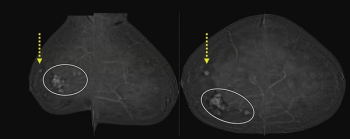
In a recent lecture at the 2024 ARRS Annual Meeting, Jordana Phillips, MD, discussed the role of contrast-enhanced mammography in staging breast cancer, evaluating response to neoadjuvant chemotherapy and recalls from screening.
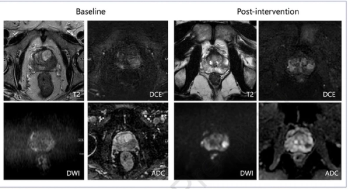
Using a learning network model to discuss challenges and share insights among radiology departments from five different organizations, researchers noted that 87 percent of audited prostate MRI exams had PI-QUAL scores > 4 at the conclusion of the collaborative program.
In a recent interview, Stacy Smith-Foley, M.D., shared her perspective on the shortcomings of the recently issued breast cancer screening recommendations from the United States Preventive Services Task Force (USPSTF).
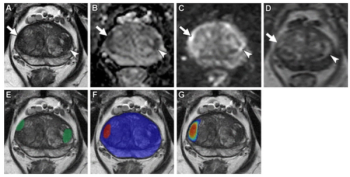
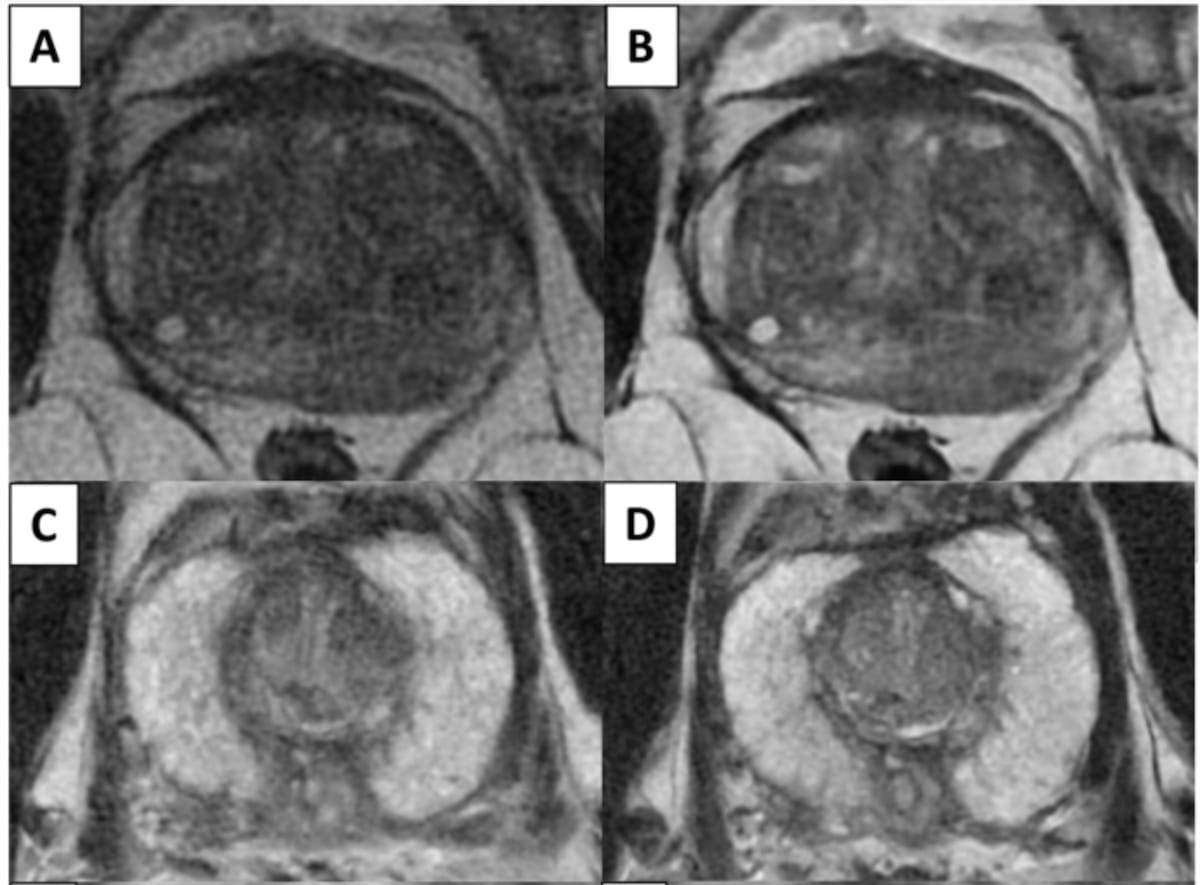
In a study involving over 1,000 visible prostate lesions on biparametric MRI, a deep learning algorithm detected 96 percent of clinically significant prostate cancer (csPCa) in comparison to a 98 percent detection rate for an expert genitourinary radiologist.
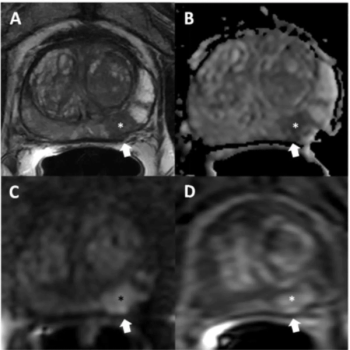
A point-based model that incorporates prostate MRI findings offered a sensitivity rate of 89.5 percent for detecting clinically significant prostate cancer and could prevent over 20 percent of biopsies, according to new research.
Catch up on the top radiology content of the past week.
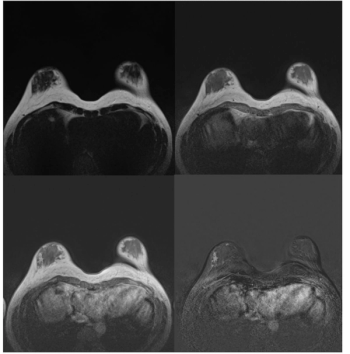
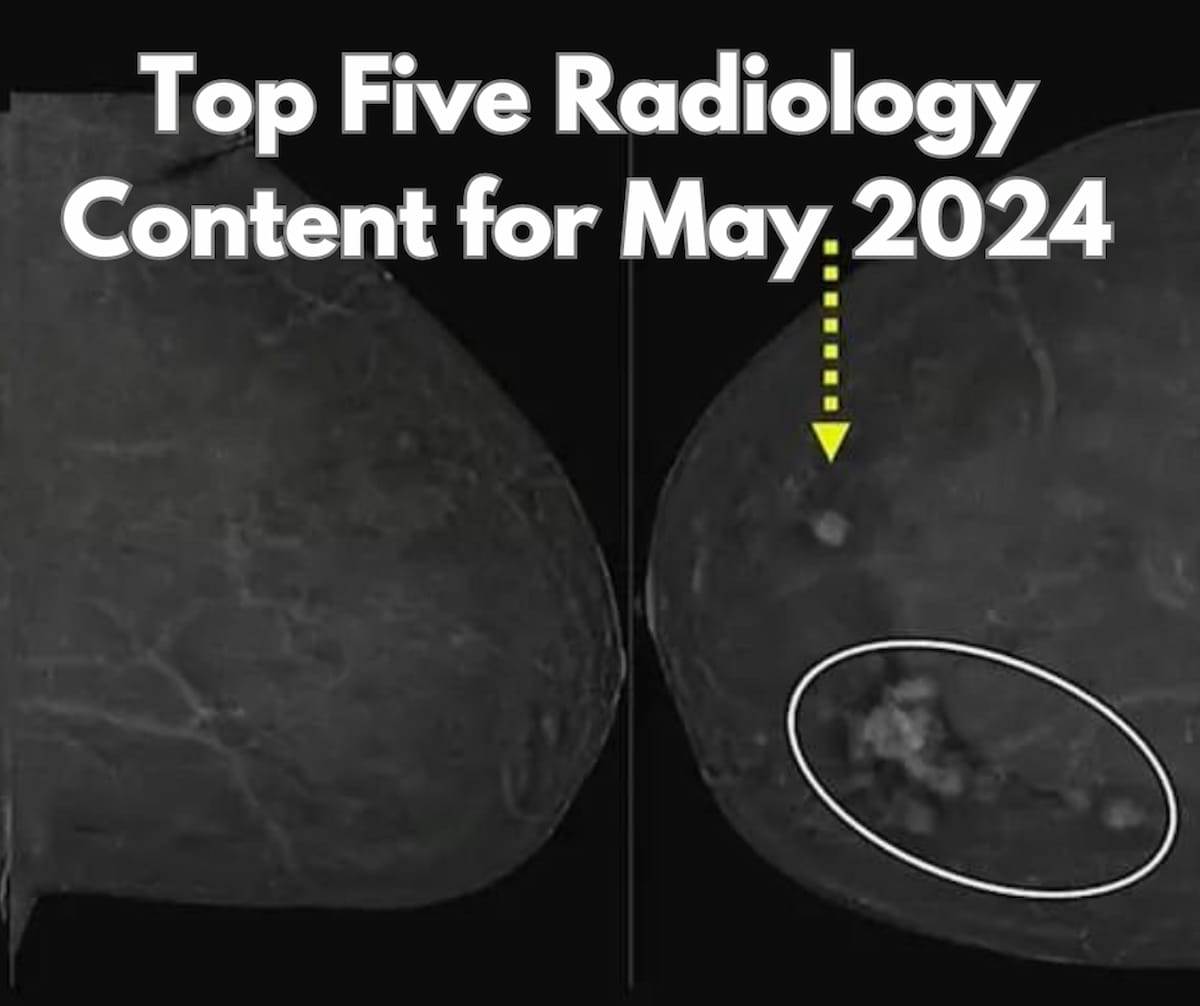
Supplemental breast MRI had a cancer detection rate (CDR) of 20/1000 and a positive predictive value (PPV) of 50 percent, according to preliminary findings from a prospective trial involving women with heterogeneously or very dense breasts.
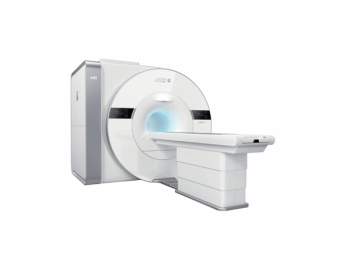
In addition to enhanced resolution, the uMR Jupiter 5T device reportedly addresses image uniformity and radiofrequency safety that have been previous challenges with ultra-high-field MRI.
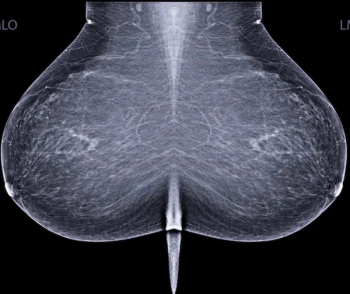
In finalized updates to breast cancer screening recommendations, the United States Preventive Services Task Force (USPSTF) advocates biennial mammography screening for women 40 to 74 years of age and notes insufficient evidence for the use of supplemental MRI in women with dense breasts.
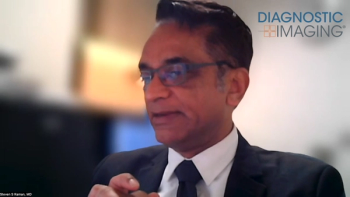
In a recent interview, Steven Raman, M.D., discussed the use of MRI-guided transurethral ultrasound (TULSA) in the treatment of intermediate risk prostate cancer and key research findings with one- and five-year outcomes.
Catch up on the most-well viewed radiology content in April 2024.
Catch up on the top radiology content of the past week.
Catch up on the top AI-related news and research in radiology over the past month.
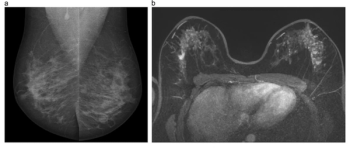
One of the recommendations from the European Society of Breast Imaging (EUSOBI) is annual breast MRI exams starting at 25 years of age for women deemed to be at high risk for breast cancer.
Catch up on the top radiology content of the past week.
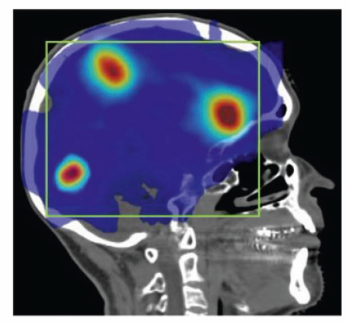
Examining current trends in brain cancer diagnostics, these authors discuss diagnostic imaging advances, pathways with adaptive radiotherapy and the ongoing quest to provide optimal precision with dosimetry.
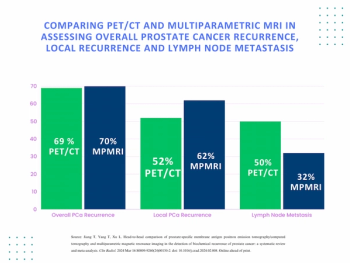
A recent meta-analysis found that multiparametric MRI and PET/CT had comparable detection rates for diagnosing prostate cancer recurrence.