
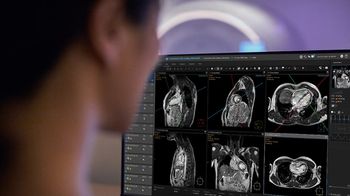
Reportedly providing automation of 14 standard and advanced cardiac MRI views in less than 30 seconds, the SmartHeart also facilitates a 75 percent reduction in breath holds for basic MRI views.
Reportedly providing automation of 14 standard and advanced cardiac MRI views in less than 30 seconds, the SmartHeart also facilitates a 75 percent reduction in breath holds for basic MRI views.

Utilized within the cloud-native Genesis Radiology Workspace, the newly FDA-cleared View reportedly facilitates anytime, anywhere efficiency with seamless access to enhanced visualization and AI-powered tools.

Catch up on the top radiology content of the past week.
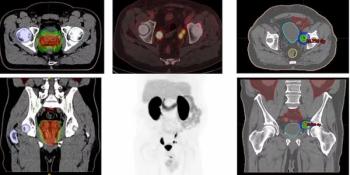
Designed to enhance product stability at higher radioactive concentrations, the PSMA PET imaging agent Pylarify TruVu (piflufolastat F 18) may facilitate enhanced supply flexibility and access for men with suspected recurrence or metastasis of prostate cancer.
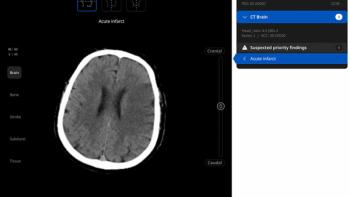
The Harrison.ai software is reportedly the first AI software to gain clearance for acute infarct triage on non-contrast CT scans.
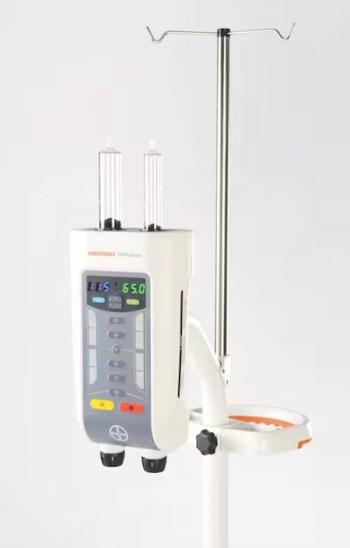
The MEDRAD MRXperion MR Injection System is cleared for use with low-field and high-field MRI platforms, including 7T MRI.
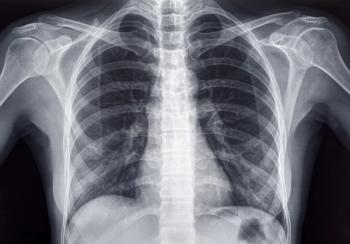
Reportedly the first generative AI model in radiology to receive the FDA breakthrough device designation, Cognita Chest X-Ray (CXR) facilitated an 18 percent improvement in CXR interpretation efficiency based on preliminary data.
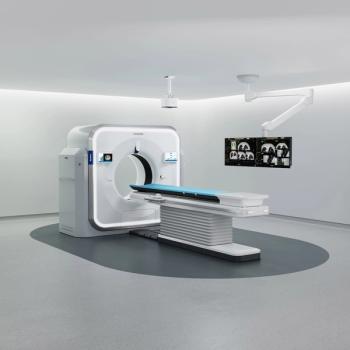
Combining an 85 cm bore, high resolution and accelerated image reconstruction, the Rembra CT platform can reportedly handle up to 270 CT exams a day.
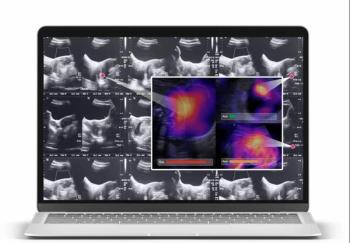
Offering reportedly seamless integration into workflows for prenatal evaluations and real-time decision-making, the cloud-based Delivery Date AI software was trained on millions of ultrasound images from diverse pregnancies.
In a recent interview, Ashesh Jani, M.D., discussed pertinent findings in two post-hoc studies from the SPOTLIGHT trial that examined the efficacy of 18F-flotufolastat PET/CT for detecting biochemical recurrence and bone metastases in patients with prostate cancer.

Full approval of PNT2003, a radioequivalent of Lutathera (lutetium Lu 177 dotatate), is subject to a 30-month stay — triggered by a Hatch-Waxman patent litigation — that is reportedly set to expire in June 2026.
Catch up on the top radiology content of the past week.
In a recent interview, Brian Helfand, M.D., Ph.D., discussed key findings from a multicenter prospective trial, presented at the ASCO-GU symposium, that compared the PET radiotracers 18F-flotufolastat and 18F piflufolastat for urinary radioactivity and detection of PCa recurrence.
In a recent interview from the ASCO-GU conference. Daniel George, M.D., discussed new study findings with 177Lu-PSMA-617 for the treatment of older taxane-naïve patients with metastatic castration-resistant prostate cancer (mCRPC) and potential implications for future research.
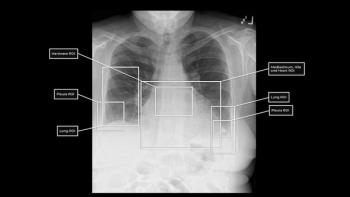
The FDA clearance for the AI-enabled chest X-ray software qXR-Detect reportedly includes detection of findings in the lung, pleura, hila and heart, bone and mediastinum.
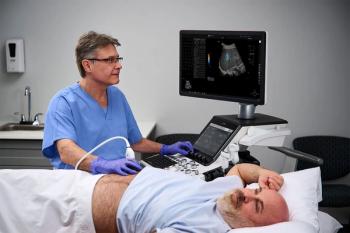
Offering AI-powered automation features and advanced imaging capabilities, the new LOGIQ E10 series, the LOGIC Fortis™ and the LOGIQ Totus™ ultrasound platforms will be introduced at the European Congress of Radiology in March.
In a recent interview, Nina Kottler, M.D., discussed the agility of agentic AI to achieve system-level goals in radiology, the need for transparency and how agentic AI may affect the future of radiology.
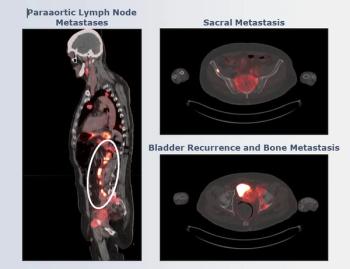
The AKY-1189 agent was designed for targeting of positive Nectin-4 expressing tumors that reportedly occur in 80 to 90 percent of patients with urothelial cancer.
In a recent interview, Jeremy Heit, M.D., Ph.D., discussed key neuroimaging takeaways from changes to the updated guideline from the American Heart Association and the American Stroke Association for early evaluation and management of patients with acute ischemic stroke.
Catch up on the top radiology content of the past week.

Previously approved by the FDA in 2022, the macrocyclic gadolinium-based MRI contrast agent gadopiclenol can now be utilized to detect lesions with abnormal vascularity in the central nervous system and other parts of the body for children under the age of two.
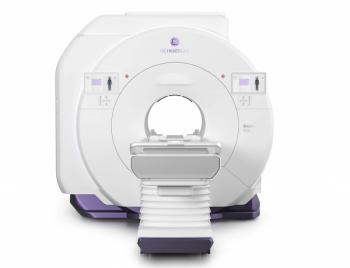
The FDA clearances include the 1.5T SIGNA Sprint with Freelium MRI platform, the 3T SIGNA Bolt MRI system and the AI-powered SIGNA One, which reportedly enhances MRI workflow efficiencies.
In a recent interview, Yulin Ge, M.D., discussed emerging research showing correlations between brain MRI findings in patients with Long Covid and established blood biomarkers for Alzheimer’s disease.
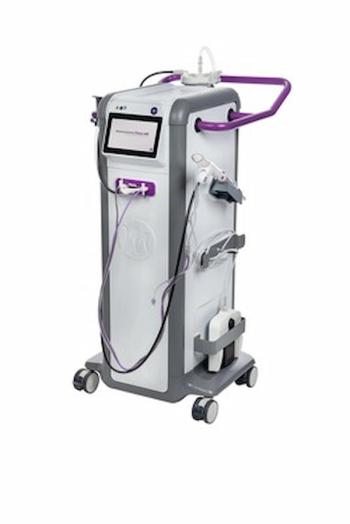
The Mammotome Prima™ MR Dual Vacuum-Assisted Breast Biopsy System reportedly enables larger tissue samples and facilitates more efficiency in procedure setup and cleanup with 75 percent less tubing in comparison to other systems.
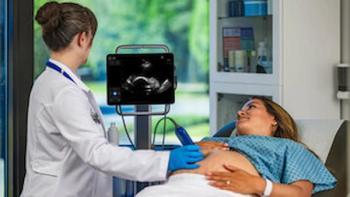
Emphasizing improved quantification, the Kosmos POCUS platform now offers a biometric application for assessing fetal viability, measurements to facilitate evaluation of the uterus and ovaries, and enhanced reporting for vascular exams.

In the debut of his new “Interventional Radiology in Focus” series, Mina Makary, M.D., discusses the continued emergence of genicular artery embolization as a viable treatment alternative for patients with knee osteoarthritis.
Catch up on the top radiology content of the past week.

In the debut of her new “Breast Imaging in Focus” series, Manisha Bahl, M.D., discusses the recently published Lancet study on AI, mammography and interval breast cancer, and shares her perspective on the potential impact of these findings for breast radiologists.
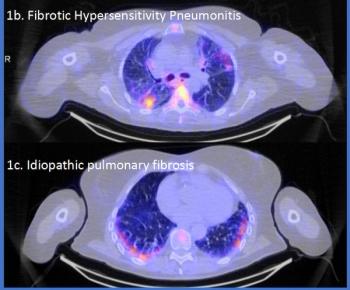
The use of the SPECT/CT agent 99mTc-maraciclatide may enhance detection and differentiation for interstitial lung disease, which is associated with a large variety of disorders.

In a recent interview, Gary Ulaner, M.D., Ph.D., discussed preliminary research with the newly patented 61Cu-NU101 radiodiagnostic agent and the potential with the agent’s half-life in expanding access to molecular imaging for prostate cancer detection.