
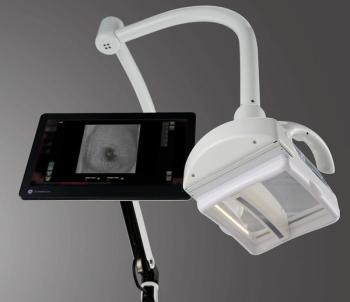
The AI tools for the newly launched Invenia ABUS Prime ultrasound platform reportedly facilitate a 40 percent increase in scan speed and up to a 93 percent sensitivity rate for lesion detection in women with dense breasts.
The AI tools for the newly launched Invenia ABUS Prime ultrasound platform reportedly facilitate a 40 percent increase in scan speed and up to a 93 percent sensitivity rate for lesion detection in women with dense breasts.
Catch up on the top radiology content of the past week.
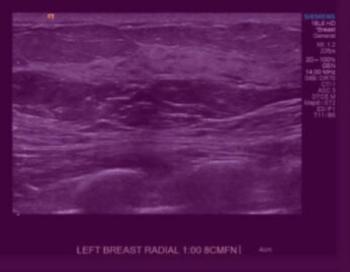
Combining automated lesion detection and characterization, the DeepHealth Breast Ultrasound software reportedly offers greater than 98 percent sensitivity for localizing breast lesions and reduces interpretation time for radiologists by 37 percent.
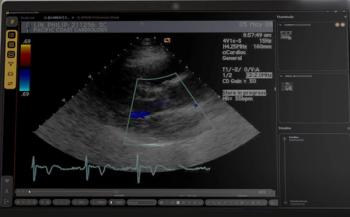
Offering rapid loading and viewing access for CT, MRI, ultrasound, PET imaging and mammograms, the ImageGrid® StreamVue platform can be integrated into existing PACS environments at hospitals and imaging centers.
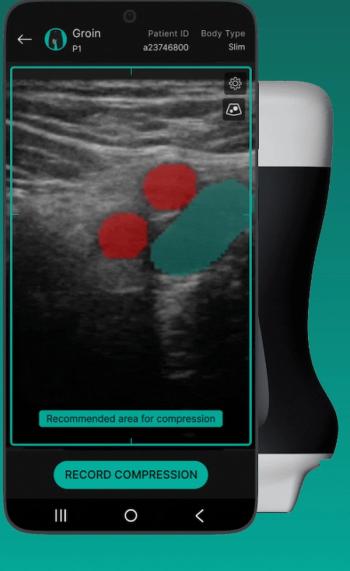
Utilization of the ThinkSono Guidance software app by non-ultrasound trained clinicians on point-of-care ultrasound devices reportedly facilitated diagnostic image quality in 87.1 percent of cases, according to recent research.
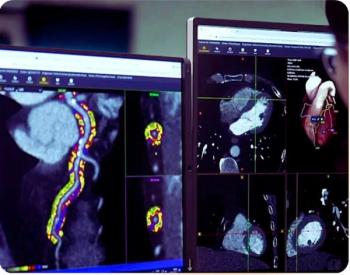
Recently presented research with the AI-powered CaRi-Heart software at the Society of Cardiovascular Computed Tomography (SCCT) conference found that assessments of advanced coronary inflammation with the software were linked to significantly higher cardiovascular mortality risks.
Catch up on the top radiology content of the past week.
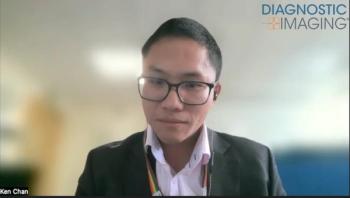
In a recent interview, Kenneth Chan, MBBS, discussed new research, presented at the recent Society of Cardiovascular Computed Tomography (SCCT) conference, that showed the impact of coronary inflammation in identifying elevated cardiovascular risk in patients with zero or low coronary artery calcium (CAC) scores.
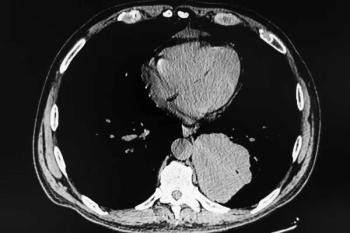
The HOPPR EF Chest CT Narrative Model reportedly provides narrative language describing pertinent findings across pulmonary, upper abdominal, cardiac, mediastinal and soft tissue regions with processing of 3D chest CT volumes.
In a recent interview, Vivek Singh, MD, discussed the practical realities of integrating AI into neuroradiology workflows, addressing challenges and concerns with implementation and potential automation bias, and emphasizing the importance of appropriate governance with AI tools and measurable outcomes in stroke imaging.
Catch up on the top radiology content of the past week.
In a recent interview, Ron Blankstein, MD, discussed new research presented at the Society of Cardiovascular Computed Tomography (SCCT) conference, including a study examining the impact of notification of AI detection of coronary plaque on physicians prescribing lipid-lowering therapy.
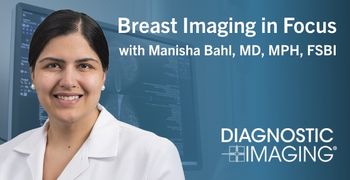
In the latest episode of her “Breast Imaging in Focus” series, Manisha Bahl, MD, MPH, FSBI, discusses new research examining the utility of automated breast ultrasound in supplemental screening for women with dense breasts.
Catch up on the top radiology content of the past week.
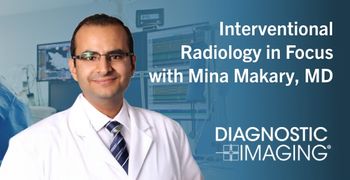
In the latest episode of his “Interventional Radiology in Focus” series, Mina Makary, MD, discusses pertinent principles, pearls and outcomes with Y90 radioembolization for the treatment of patients with liver cancer.
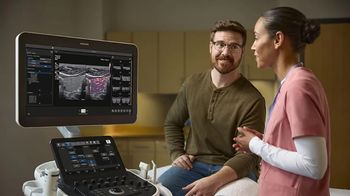
The Alturion ultrasound device reportedly combines portability, AI-enhanced capabilities and a user-friendly interface to facilitate streamlined workflows.

The newly FDA-cleared PACS Viewer from CliniComp reportedly allows direct review and analysis of imaging within a patient’s chart.
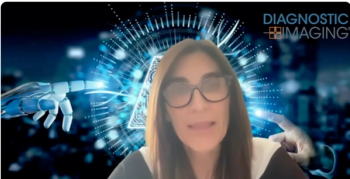
In a recent interview, Nina Kottler, MD, offered her perspective on findings from a recent report on AI in health care, AI integration challenges and what the future holds with AI in radiology.
Catch up on the top radiology content of the past week.
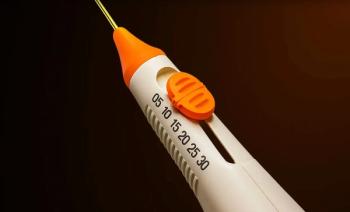
The Star RF Electrode and VIVA RF Electrode are reportedly the first devices to garner a specific cleared indication for benign thyroid nodule ablation.
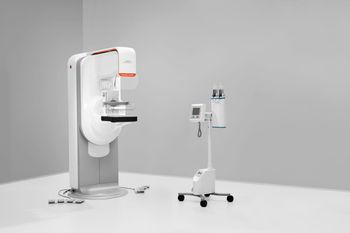
The Mammomat B.brilliant’s ClearCEM image reconstruction technique reportedly utilizes advanced algorithms to facilitate improved noise reduction and lesion enhancement.

In recent interviews with Diagnostic Imaging, Jeremie Calais, MD, PhD, Michael Hofman, MBBS, FRACP, Heather Jacene, MD, Phillip Kuo, MD, and more shared their thoughts about the potential impact of theranostics and what excites them about the future of nuclear medicine.
Catch up on the top radiology content of the past week.
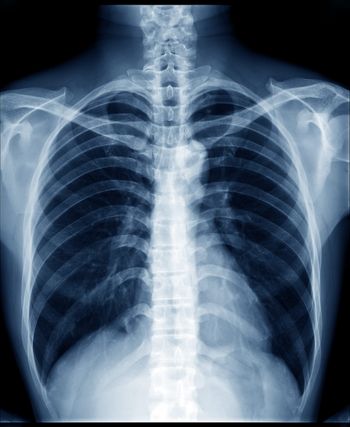
The First Read software provides preliminary drafting of radiology reports based on AI assessment of chest X-rays.
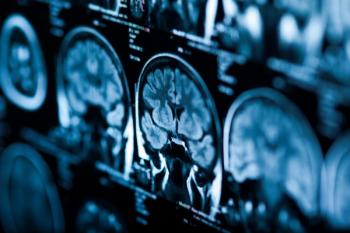
The Oncology Virtual Expert AI software reportedly provides semi-automated segmentation maps of brain tumors based on standard brain MRI scans.
In a recent interview discussing the SNMMI conference, Jeremie Calais, MD, PhD, shared his thoughts on emerging advances. a key mentor in nuclear medicine and combination therapy for prostate cancer.
In a recent interview, Constance Lehman, MD, PhD, discussed newly published research demonstrating the dynamic capability of AI-based risk scores, drawn from screening mammograms, to facilitate risk-adaptive screening.
In a recent episode of our “Molecular Imaging in Focus” series, Surekha Yadav, MBBS, MD, discussed research presented at the SNMMI conference that showed significant advantages of PSMA PET over conventional imaging for detection of osseous oligometastatic prostate cancer (PCa).
The VascularAssist Occlusion Triage software reportedly demonstrated over a 90 percent sensitivity for detecting peripheral artery disease (PAD) on CT in clinical performance testing.
Catch up on the top radiology content of the past week.