
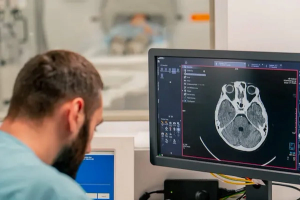
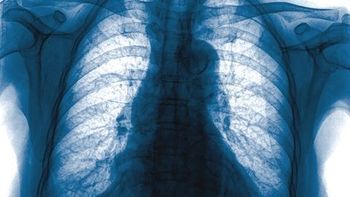
Computer program can accurately predict 80 percent of cases where COVID-19 patients will develop life-threatening conditions within four days.
Computer program can accurately predict 80 percent of cases where COVID-19 patients will develop life-threatening conditions within four days.

By combining a wave reflection analysis with standard Doppler ultrasound, providers can better identify whether a pregnant woman is experiencing impeded blood flow to the placenta, potentially improving pregnancy outcomes.

Move would support patients and encourage innovation.

Middle age male with left sided weakness. What is the most likely diagnosis? What radiology sign is demonstrated?

Six months post-infection, the hearts of patients who had mild disease appear similar on cardiac MRI scans to the hearts of patients who were never infected.

Know what you have -- and know how it compares to the market.

Here's what to expect this week on Diagnostic Imaging.

Study shows lower energy reserve index in patients with mild cognitive impairment and early Alzheimer’s.
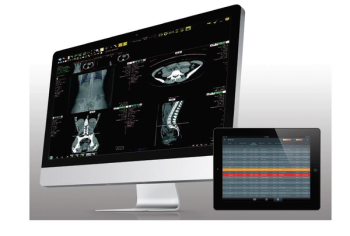
Move embeds cloud-based speech recognition and automation solutions into Konica-Minolta’s Exa® Platform.
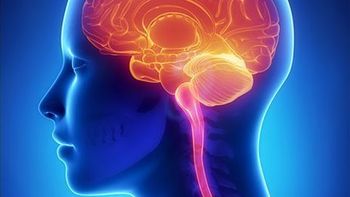
Real-time visualization of brain movement can help radiologists identify hard-to-detect brain conditions.

Both pre- and post-menopausal women who undergo annual screening mammography have fewer late-stage breast cancer diagnoses, fewer interval cancers, and smaller average tumor size.
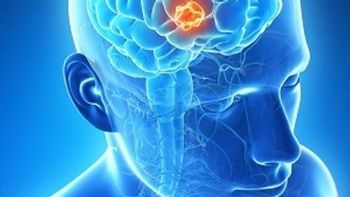
Adding 18F-FET PET to contrast-enhanced MRI can better determine which patients are responding well to immune checkpoint inhibitors or targeted therapies.

Take a quick look at Diagnostic Imaging's Top 5 stories of the week.
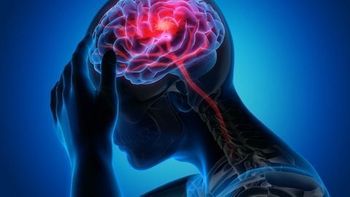
Diffusion-prepared arterial spin labeling can measure the water exchange rate across the blood-brain barrier, catching malfunctions at an earlier state.

What is causing this appearance on small bowel GI series follow-through?

Women with low levels of PDGFRb, a protein involved in cardiovascular development, have reduced recurrence risk.
Institutions still do not have a standardized way to make radiology reports available to patients, but providing earlier access could be beneficial for all parties involved.
Classification leads to fewer missed breast cancers.
What is causing this appearance on this barium study?
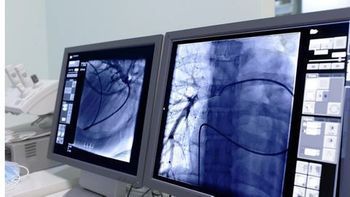
Collaboration paves the way for improved interoperability.
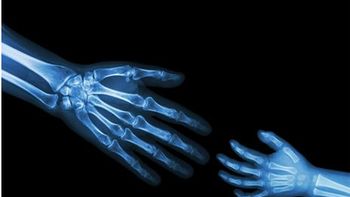
Misattributing injuries can put children at risk for future abuse.

What injury could be related to this anterior superior iliac spine avulsion injury? What's your diagnosis?

Tattoo ink can migrate in female patients, potentially mimicking lymph node findings on breast imaging.
Here's what to expect this week on Diagnostic Imaging.

When STAT is the norm, maybe it’s time to re-evaluate.

A radiologist and former Johns Hopkins president lays out guidance for how radiologists can successfully raise money for department activities.

Performing a CMR shortly after hospital admission identifies more patients with broken-heart syndrome.
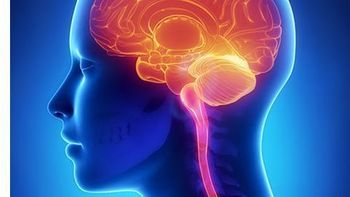
7T MRI highlighted multiple hippocampus differentiations between individuals with DS and healthy study participants.
Take a quick look at Diagnostic Imaging's Top 5 stories of the week.

Creating an online, updatable contact sheet can reduce the number of misdirected calls to the radiology department.