

The switch to using USMLE Step 2 Clinical Knowledge scores is anticipated in January 2022.
In high pre-test probability and quick RT-PCR settings, chest X-ray scoring can be predictive.

Liability and responsibility concerns are not significant with AI use now, but as the tools enter clinical use, that will change.

Automated solutions can improve productivity while minimizing time and cost.

Study finds clinically significant percentage of patients with metastatic renal cell carcinoma develop asymptomatic brain metastases.

A low-dose CT for lung cancer screening can also predict a five-year cardiovascular disease risk of death when using a deep learning algorithm.

What's the diagnosis for this image captured with CTA?

What is your diagnosis for this 59-year-old patient who presents with abdominal pain?

MD Anderson Cancer Center medical director shares her thoughts the priorities and challenges facing breast cancer detection and screening.
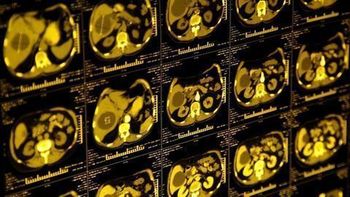
Two interventions to increase lung cancer screening rates from the clinical and community perspectives.

Clear communication with referring providers and patients is critical. Following these steps can help.
What is your Dx?
Patients want to know their risk. But, before you provide it, consider these factors to successfully integrate it into your practice.

Registry brings together images and clinical data from multiple practice settings to help answer questions and produce results.

Here's what to expect this week on Diagnostic Imaging.

Positive acknowledgement can go a long way.
Although these tests are controversial, they are highly effective in identifying lumps that lead to breast cancer diagnoses.
CEM performance showed no significant difference between women with or without breast implants, and it produced very few complications.
Despite recommendations from the American College of Radiology, most providers opt to delay screening in these women.

The screening mammography non-adherence rate among American Indian women is 1.5 times that of the overall population.

After a decade, roughly 75 percent of women with dense breasts seen in one department now undergo screening whole-breast ultrasound as a supplemental imaging service.

Pediatric breast ultrasound use should be minimized for patients with breast pain but not a palpable mass.

Images can pinpoint which women are at risk for ischemia and nipple necrosis.
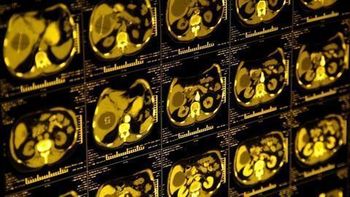
Results show screening adherence is low among patients who could benefit most from scans.
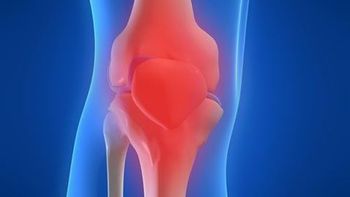
Cutting the time for a knee MRI protocol in half can accelerate image capture without compromising image resolution or quality.
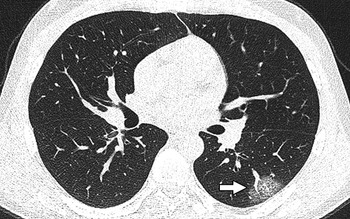
The use of soft-tissue biomarkers identified on chest CT can be a reliable way to accurately assess risk.
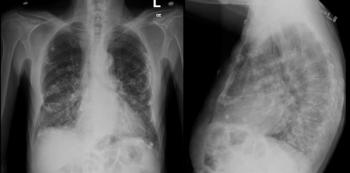
What is the diagnosis in this patient who is a 68-year-old male?
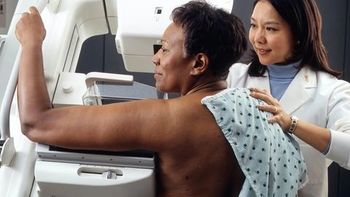
More than 60 percent of news stories, including those discussing screening mammography, only highlight the potential benefits of testing.

Four ways imaging vendors can help.

Algorithms outperformed providers in accurate, quick detection and classification.