
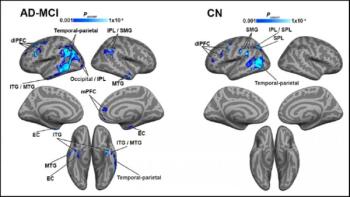
As Alzheimer’s disease progresses, more brain regions exhibit evidence of this link.
As Alzheimer’s disease progresses, more brain regions exhibit evidence of this link.

A new platform could give medical students a greater likelihood of matching with their preferred residency program during a time when some programs are seeing record applications.

Collaborative Imaging’s Dhruv Chopra, MBA, takes a deeper look into how many follow-up recommendations are ignored and what can be done to reverse the trend, leading to better patient care.
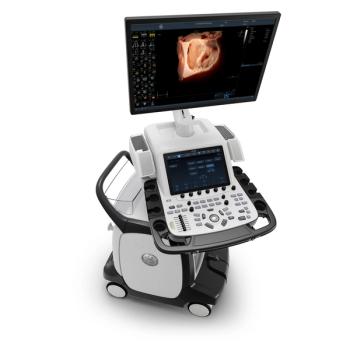
New system incorporates artificial intelligence features intended to truncate exam time and create more consistently repeatable exams.

What to expect this week on Diagnostic Imaging.

As the price tag of cyberattacks on healthcare continues to rise, radiology looks to bolster its defenses.

Penn Medicine is dedicated to improving artificial intelligence to address radiology needs in individual institutions worldwide, both improving performance and patient outcomes.

Taking time to ask questions – instead of announcing mandates – can be far more effective.

Zero evidence of SARS-CoV-2 virus in a radiation oncology clinic shows disinfection policies are working.

Dr. Summer Kaplan discusses strategies to design quality improvements projects in emergency radiology and the challenges that exist to proper implementation. She shared her insights during the American Society of Emergency Radiology 2020 annual meeting.
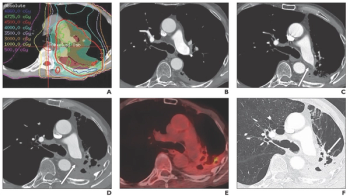
Pulmonary artery thrombosis presents differently from acute pulmonary embolism on CT scans.
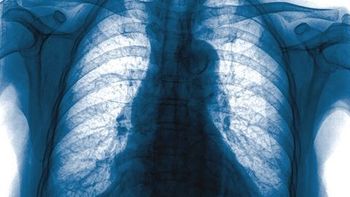
A well-trained algorithm can read chest X-rays as well as third-year residents, opening the door for more streamlined workflow and cost savings.
SARS-CoV-2 virus found inside CT scanner used on high volume of patients with viral infection.

Dual-Energy CT's Impact in the Emergency Department; Mass Casualty Planning; Language Barriers to Mammography for Spanish-Only Speakers; Improving the Patient Experience for Mammography During the Pandemic
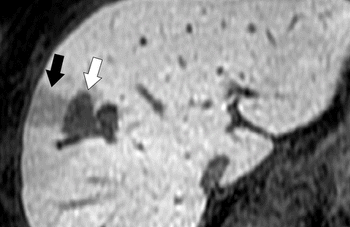
Results indicate radiologic findings are better survival predictors than pathologic vessel invasion.

Researchers offer several tips to help imaging facilities maximize their cybersecurity.

Three tips to help you limit dose exposure and optimize imaging protocols.

A new technology overcomes the challenges to cardiac imaging presented by spontaneous fetal movement.

Australian data reveals mpMRIp significantly decreases the need for prostate biopsies and controls healthcare spending.

Identifying a patient’s preferred method of communication can open the door for optimal, respectful patient care.

Dr. Susan Cross from Barts Health NHS Trust discusses the experiences of her institution with multiple mass casualty events during the American Society of Emergency Radiology 2020 annual meeting.
It is time for facilities to push for greater interoperability and unified systems.

Women who have limited English proficiency have significantly lower rates of undergoing this exam.

Double-check behind those follow-up orders – is now the time, is it the right study, are prior studies needed?

Invest wisely in a strong foundation to ensure continued innovation.
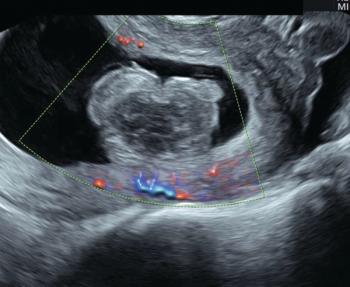
Ultrasound technology can be an indispensable tool for the management of suspected early pregnancy loss.
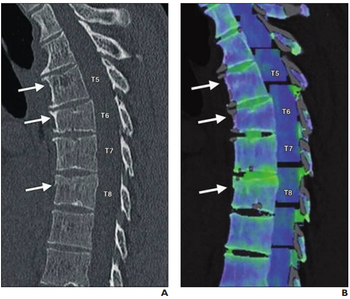
Additional information acquired from the scans reduces follow-up imaging and produces cost savings.

MRI and PET Reveal Parkinson's disease Duality; MRI Shows More Aggressive MS in Hispanic Patients; Radiation Dose Misconceptions; and Challenges for Racial and Ethnic Minorities in Cancer Screening

Emergency radiologists must be familiar with how this condition presents on CT scans.

Women with breast cancer who have the most arterial calcium accumulation are nearly four times more likely to develop cardiovascular disease.