



Oncology CT
Latest News
Advertisement
Latest Videos












Advertisement
More News
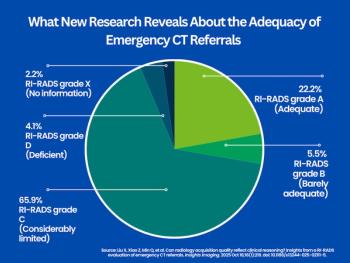
In a review of nearly 1,300 emergency referrals for computed tomography (CT) scans, approximately 28 percent were deemed to have adequate requisition quality according to a RI-RADS analysis.

The AI-enabled LungQ® 4 software reportedly offers enhanced segmentation of peripheral airways and estimates of chronic perfusion deficits based on analysis of chest CT scans.
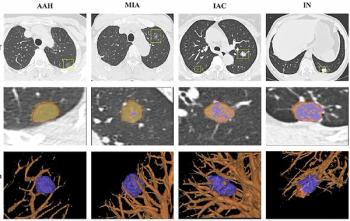
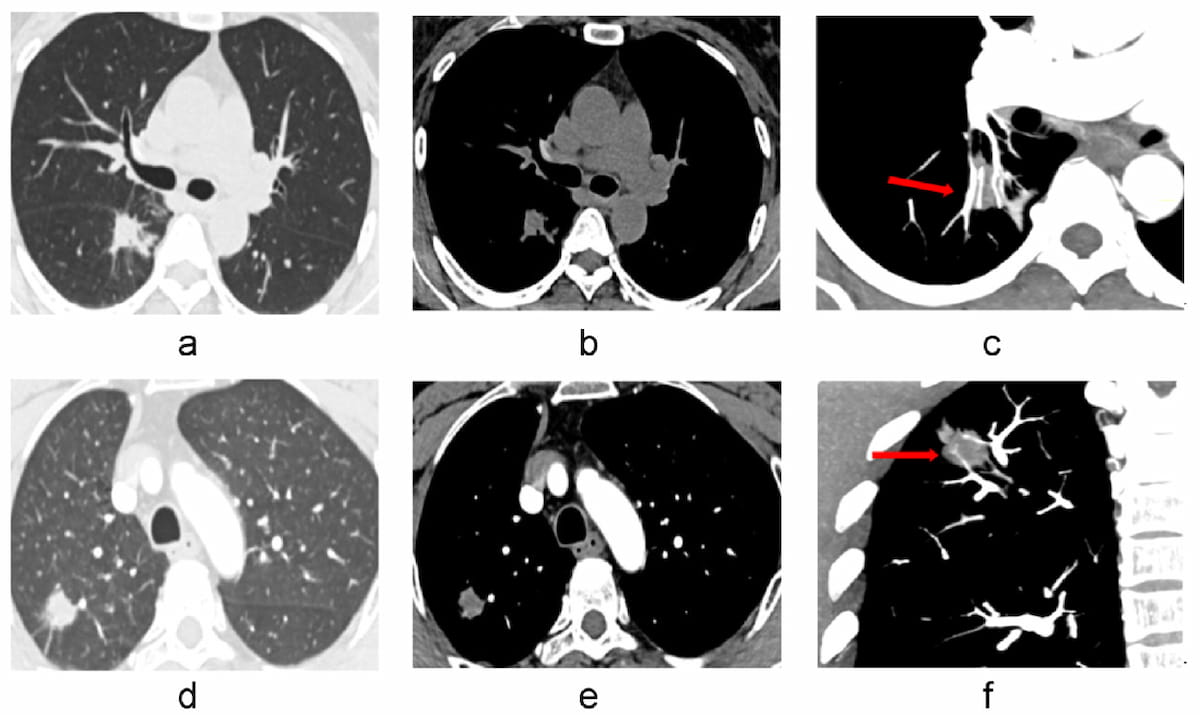
A deep learning AI platform, which incorporated radiomic features including CT attenuation metrics, demonstrated a 93.6 percent AUC for detecting invasive adenocarcinoma on chest CT.
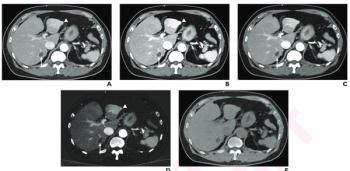
Based on survey findings and subsequent voting from radiologists at nine facilities, the Society of Abdominal Radiology has issued new consensus recommendations on the use of adult abdominal photon-counting CT.
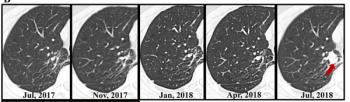
Researchers found comparable 10-year overall survival rates for people who had computed tomography (CT) surveillance (94.7 percent) and those who had surgery for ground-glass nodules (97.6 percent), according to a new prospective study involving over 680 participants.
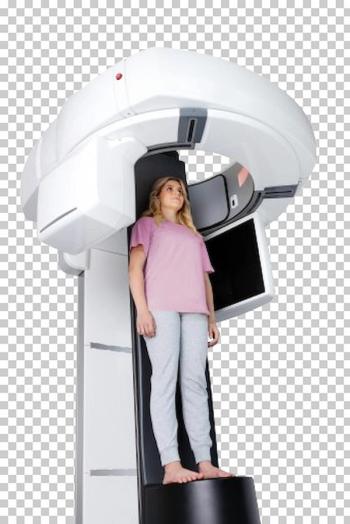
The Planmed XFI full-body weightbearing cone-beam CT scanner reportedly enables upright and supine patient positioning.

Providing adjunctive AI detection for multiple conditions on CT through a single workflow, the multi-triage platform would be available through Aidoc’s aiOS platform.
Catch up on the most-well viewed radiology content in September 2025.

In a recent interview, Rebecca Smith-Bindman, M.D., discussed new research examining cumulative radiation exposure from imaging, its potential impact on the development of hematologic cancers in children, and keys to judicious imaging and radiation dosing.
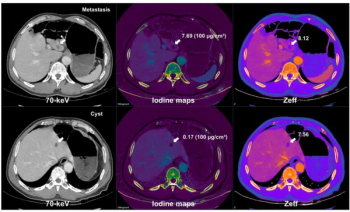
New research suggests the combination of multiparametric dual-energy CT and deep learning image reconstruction for liver metastases detection enables a 45 percent reduction in radiation dosing.
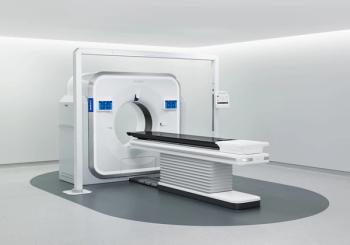
Facilitating increased efficiency in radiation therapy planning, the new Rembra RT and Areta RT computed tomography platforms reportedly offer 4D CT capabilities and image reconstruction speeds up to 106 images per second.
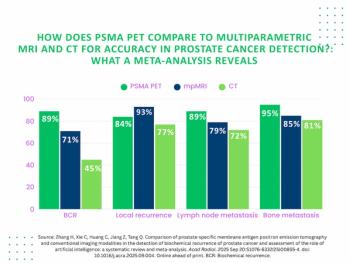
PSMA PET offered 18 percent higher accuracy for detecting biochemical recurrence of PCa in contrast to mpMRI, according to findings from a 67-study meta-analysis.
Catch up on the top radiology content of the past week.
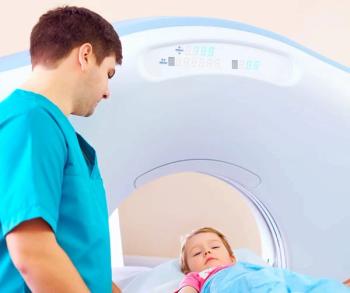
For children who had a head CT scan, there was a 35 percent increased relative risk of developing hematologic cancer, according to a new study examining data from over 3.7 million children with a mean follow-up period of 10.1 years.

In a recent interview with Diagnostic Imaging, Noa Antonissen, M.D., and Colin Jacobs, Ph.D., discussed new research findings demonstrating robust risk stratification with a CT-based deep learning model for lung nodules as well as a 39.4 percent reduction in false positives in comparison to traditional classification.
In a recent interview, Camille Simard, M.D., MSc, discussed findings from a new study assessing elevated risks of spontaneous pregnancy loss and congenital anomalies associated with CT exposure in the month prior to conception.
Catch up on the most-well viewed radiology content in August 2025.
Catch up on the most-well viewed prostate imaging content in August 2025.

Catch up on the top AI-related news and research in radiology over the past month.
Catch up on the top radiology content of the past week.
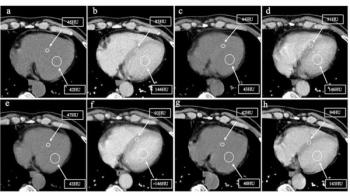
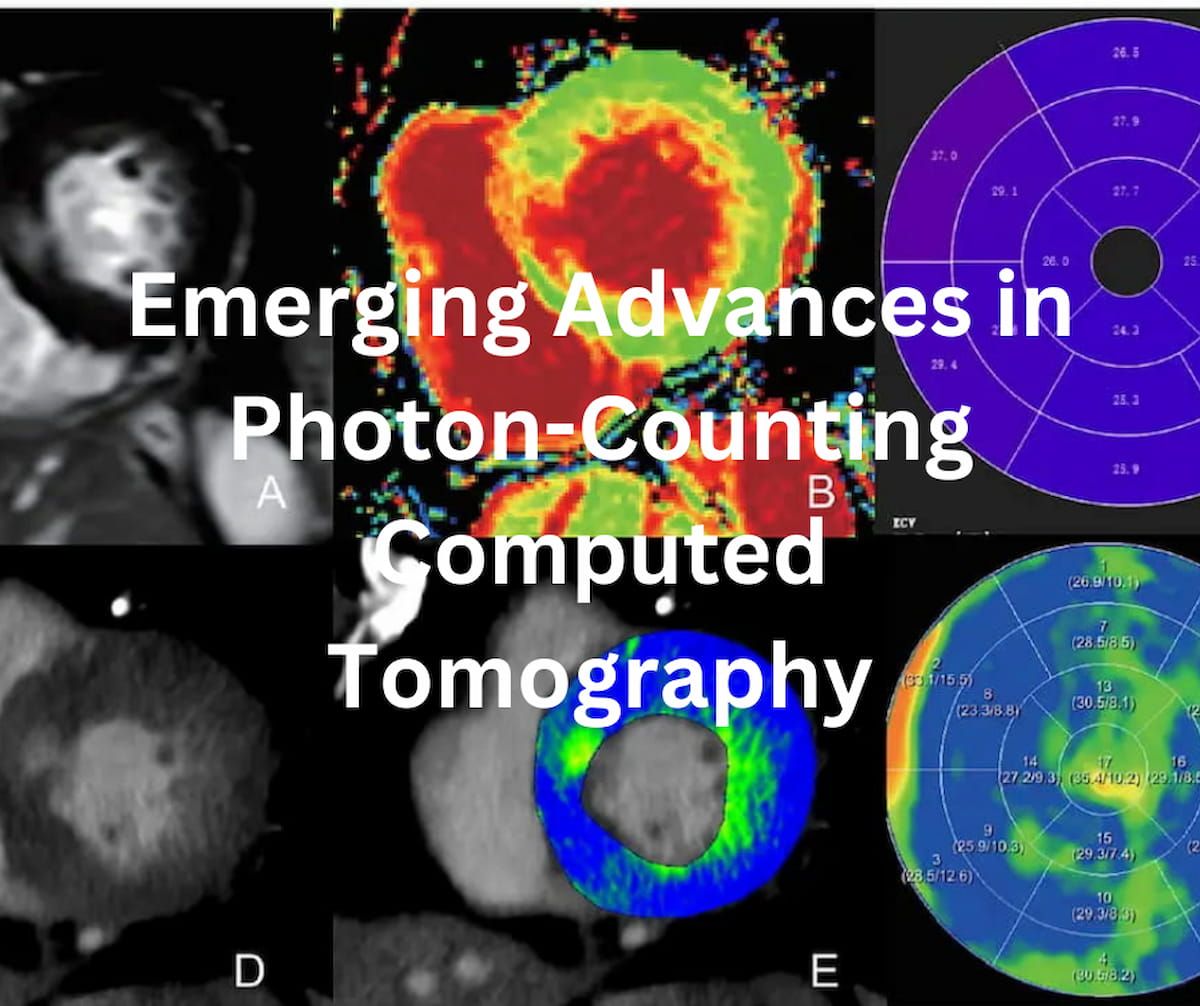
Nine months after initiation of androgen deprivation therapy (ADT), prostate cancer patients with higher myocardial extracellular volume (ECV) — derived from chest contrast-enhanced CT — had over a fourfold higher risk for major adverse cardiovascular events (MACEs), according to new research.
Catch up on the top radiology content of the past week.
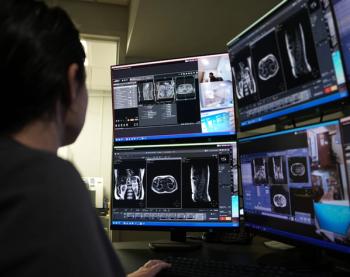
In addition to facilitating centralized scanning for a variety of imaging, the TechLive system may help ease the strain of technologist shortages and broaden access to advanced imaging exams.
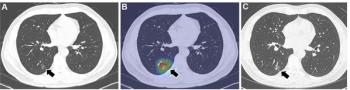
While a CT-based deep learning model demonstrated a 91 percent AUC for predicting lung cancer risk within one year, researchers noted other mixed results in a new study involving over 18,000 individuals.
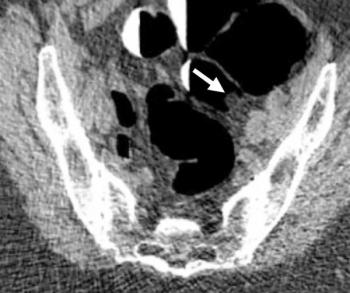
Computed tomography colonography (CTC) demonstrated a 91.6 percent positive predictive value (PPV) for polyps > 6 mm, according to new research involving over 9,000 patients who underwent CTC for primary asymptomatic colorectal cancer screening.
Advertisement
Advertisement
Trending on Diagnostic Imaging
1
The Reading Room Podcast: A Closer Look at New Research on 177Lu-Edotreotide for Treating GEP-NETs
2
FDA Clears MRI-Based AI Software for Prognostic Evaluation of Patients with Mild Cognitive Impairment
3
How AI, Theranostics and More Empowered Patients Have Led to Significant Changes in Radiology
4
See the Real-World Impact of AI in Radiology
5