









Catch up on the top radiology content of the past week.
Catch up on the top radiology content of the past week.
Catch up on the top AI-related news and research in radiology over the past month.
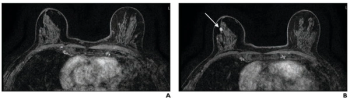
In a study of over 2,000 women with dense breasts and average breast cancer risk, abbreviated MRI (AB-MR) demonstrated an 18.9 per 1000 cancer detection rate (CDR) in baseline exams, and all cancers detected with baseline or subsequent AB/MR exams were stage 0 or 1.
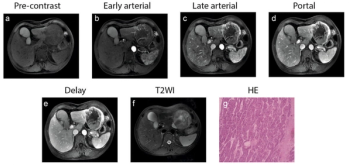
Incorporating dynamic contrast-enhanced MRI, a deep learning model demonstrated a 20 percent higher AUC in external validation testing than clinical factors alone and over a 17 percent higher AUC than radiological factors alone in predicting proliferative hepatocellular carcinoma (HCC).

In recognition of National Women’s Health Month, Dana Bonaminio, MD, Amy Patel, MD, and Stacy Smith-Foley, MD, shared their thoughts and perspectives on the recently updated breast cancer screening recommendations from the United States Preventive Services Task Force (USPSTF).
Catch up on the top radiology content of the past week.
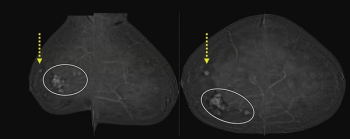
In a recent lecture at the 2024 ARRS Annual Meeting, Jordana Phillips, MD, discussed the role of contrast-enhanced mammography in staging breast cancer, evaluating response to neoadjuvant chemotherapy and recalls from screening.
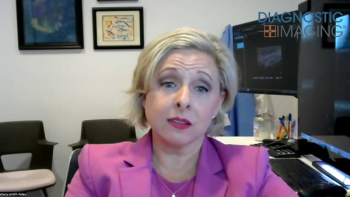
In a recent interview, Stacy Smith-Foley, M.D., shared her perspective on the shortcomings of the recently issued breast cancer screening recommendations from the United States Preventive Services Task Force (USPSTF).
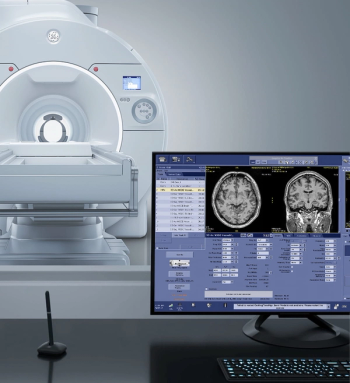
For neuroradiologists, the Signa Magnus 3T MRI system may offer enhanced visualization of the brain microstructure, microvasculature, and function.
Catch up on the top radiology content of the past week.
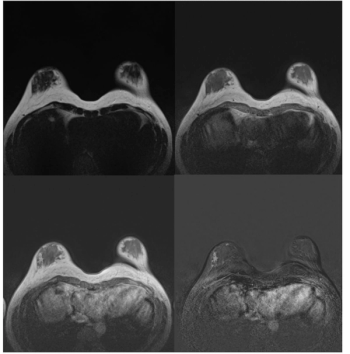
Supplemental breast MRI had a cancer detection rate (CDR) of 20/1000 and a positive predictive value (PPV) of 50 percent, according to preliminary findings from a prospective trial involving women with heterogeneously or very dense breasts.
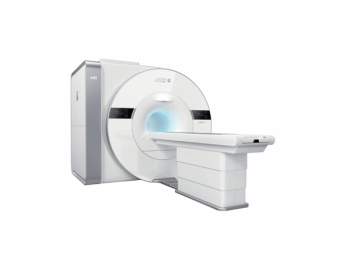
In addition to enhanced resolution, the uMR Jupiter 5T device reportedly addresses image uniformity and radiofrequency safety that have been previous challenges with ultra-high-field MRI.
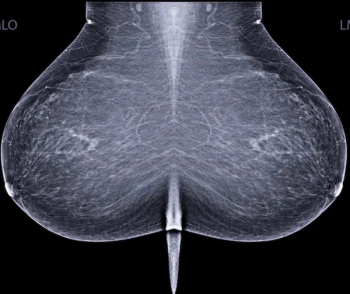
In finalized updates to breast cancer screening recommendations, the United States Preventive Services Task Force (USPSTF) advocates biennial mammography screening for women 40 to 74 years of age and notes insufficient evidence for the use of supplemental MRI in women with dense breasts.
Catch up on the most-well viewed radiology content in April 2024.
Catch up on the top radiology content of the past week.
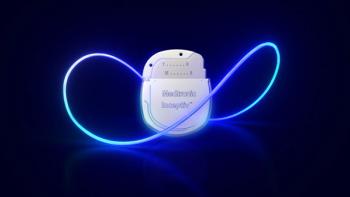
Reportedly the smallest and thinnest implantable spinal cord stimulator (SCS) device, the Inceptiv closed-loop SCS modality allows access to 1.5T and 3T full-body MRI without power restrictions.
Catch up on the top AI-related news and research in radiology over the past month.
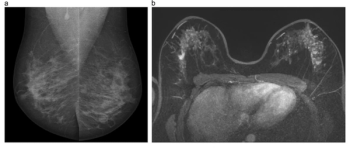
One of the recommendations from the European Society of Breast Imaging (EUSOBI) is annual breast MRI exams starting at 25 years of age for women deemed to be at high risk for breast cancer.
Catch up on the top radiology content of the past week.
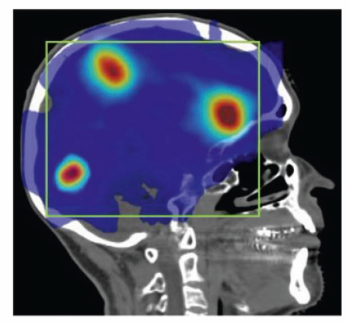
Examining current trends in brain cancer diagnostics, these authors discuss diagnostic imaging advances, pathways with adaptive radiotherapy and the ongoing quest to provide optimal precision with dosimetry.
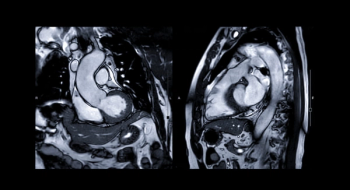
While noting inconsistencies with the diagnostic yield of cardiac MRI in patients who survived sudden cardiac arrest, researchers cited unique advantages in characterizing ischemic cardiomyopathy (ICM) and facilitating alternate diagnoses.
The use of continuous ofatumumab in patients within three years of a relapsing multiple sclerosis diagnosis led to substantial reductions in associated lesions on brain MRI scans, according to research recently presented at the American Academy of Neurology (AAN) conference.
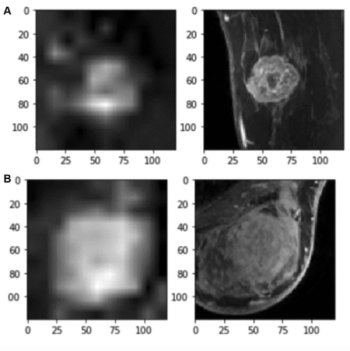
For the prediction of axillary lymph node metastasis in patients with breast cancer, an MRI-based, 4D convolutional neural network model demonstrated an AUC of 87 percent and sensitivity of 89 percent, according to new research.
Catch up on the top radiology content of the past week.
Discussing findings from a new study presented at the Society for Breast Imaging (SBI) conference, Shahrzad Tavana, M.D., detailed the significant impact of training sessions for MRI technologists in improving breast positioning, optimal field of view and accuracy of sequence submissions to PACS for breast MRI exams.