

How often do we assume the trustworthiness of sources for content we are not knowledgeable on even if we have seen past examples of inaccuracy?
How often do we assume the trustworthiness of sources for content we are not knowledgeable on even if we have seen past examples of inaccuracy?

With an open letter to cold-calling recruiters, this radiologist emphasizes that incessant contact won’t gain a foothold with him or his colleagues.
While a variety of factors can influence key decisions such as career moves, conservative projections of absolutes can help reduce the risk of unwelcome surprises.

What are the key drivers for facilitating staff retention in radiology?
What are the best adaptive strategies for mitigating the anxiety of unknowns in one’s work and life?
Adjusting one’s goals to varying conditions along the way may facilitate optimal satisfaction and enjoyment of the journey.

To keep or not keep boxes from teleradiology workstations handy may boil down to an emphasis on convenience over clutter.
Have pragmatic needs become the primary driver between wanting to learn and needing to learn new skills and technologies in radiology?
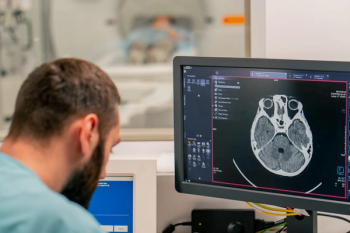
While standard approaches to imaging may be elusive amid shifting protocols from different facilities and different specialties, there is a balancing act of flexible accommodation and pushing back against unreasonable requests.
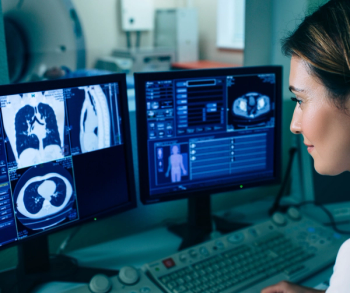
Do you have a true voice in the direction of the radiology practice or are you more likely to be voting with your feet?
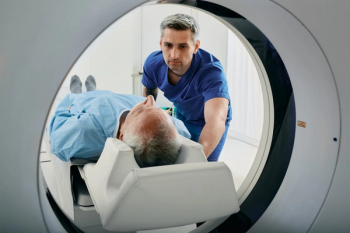
Could the principles of operant conditioning reinforce more of a simpatico relationship between radiologists and technologists?
While leadership offers a variety of benefits for ambitious ladder climbers in radiology, does it lose its luster as goals shift later in one’s career?

Applying principles of personality theory to one’s development as a radiologist, this author discusses trust in what is bring taught, autonomy and interactions with peers.
While no job is perfect, there is the time-honored wisdom about picking your battles and the realization that some positions are stuck in a status-quo quagmire.

Can consistent timeliness, visual effort and engaging attitude give a radiologist with so-so skills a discernible advantage?

Whether you are extolling the benefits of a new radiology gig to a friend or sizing up a potential opportunity based on a colleague’s recommendation, taking the time to make a prudent, objective assessment is usually the best course of action.

The old adage about bad customer service experiences being shared with 10 other people may apply to objectionable hiring practices in radiology as well.
While one may occasionally engage in tongue-in-cheek humor about righting wrongs in radiology, maintaining professional perspective remains the order of the day.
Autosave functionality for dictation software and availability of prior imaging are elusive yet very practical essentials that could eliminate a fair amount of redundancy with radiology reports.

Dwelling on a bad experience or episode with a referrer or colleague is never worth the sacrifice of perspective and forward momentum.
Proactive approaches to training, compensation issues and staff feedback are hallmarks for engaging and retaining top radiology staff.
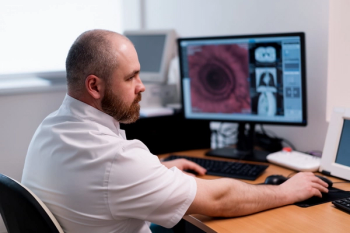
Given a certain perception that calling out sick is frowned upon in health care, radiologists and other health care workers may feel conflicted about being absent even if an illness has reduced their capacity for getting work done on a given day.

A prospective employer’s willingness or unwillingness to negotiate notice periods in a contact may signal the difference between a worthwhile opportunity and a one-way, dead-end job.
Going beyond the humdrum, eye roll-inducing platitudes of orientation training may foster improved attention and adherence to training priorities such as cybersecurity.

Is it time to rethink the burden of applicant fees, credentialing costs and medical staff dues?
A singular database of current rules, guidelines and best practices in radiology would be a welcome advance to ensure ease of access, consistency, and proactive prevention of frivolous malpractice cases.
While CT, MRI and X-rays provide more of a workout for one’s radiological skills, more occasional spurts of DEXA scans and Doppler ultrasounds can provide comfortable diversions on worklists.
A comfortable environment for reading CTs, MRIs and X-rays may be conducive to less interruptions and longer intervals at radiology workstations.
The will to provide legitimate make goods to help address bad situations for radiologist employers can be a key difference between staff loyalty or mutiny.
Catch up on the most well-read Eric Postal, M.D.-penned blogs from 2023.