
Women's Health Ultrasound
Latest News
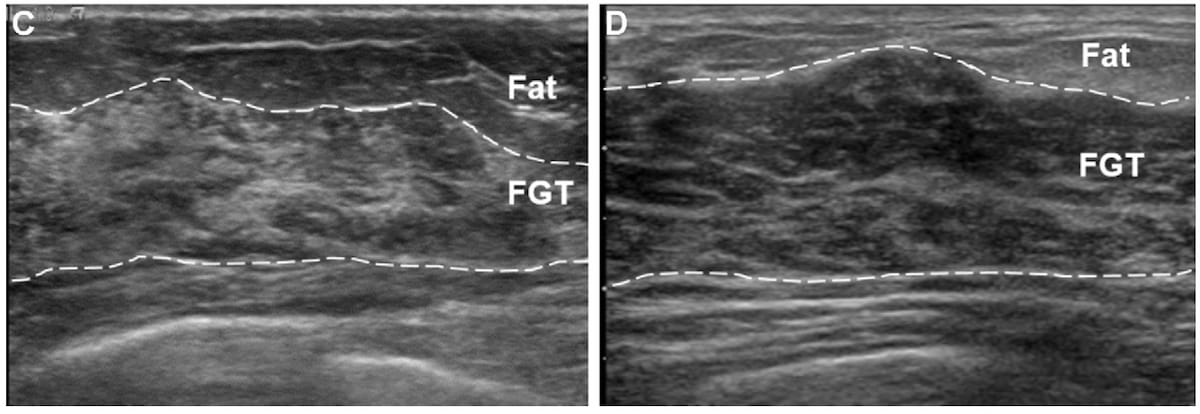
Breast Ultrasound Study: High Glandular Tissue Component May Double Recurrence Risk for Invasive Breast Cancer
By Jeff Hall
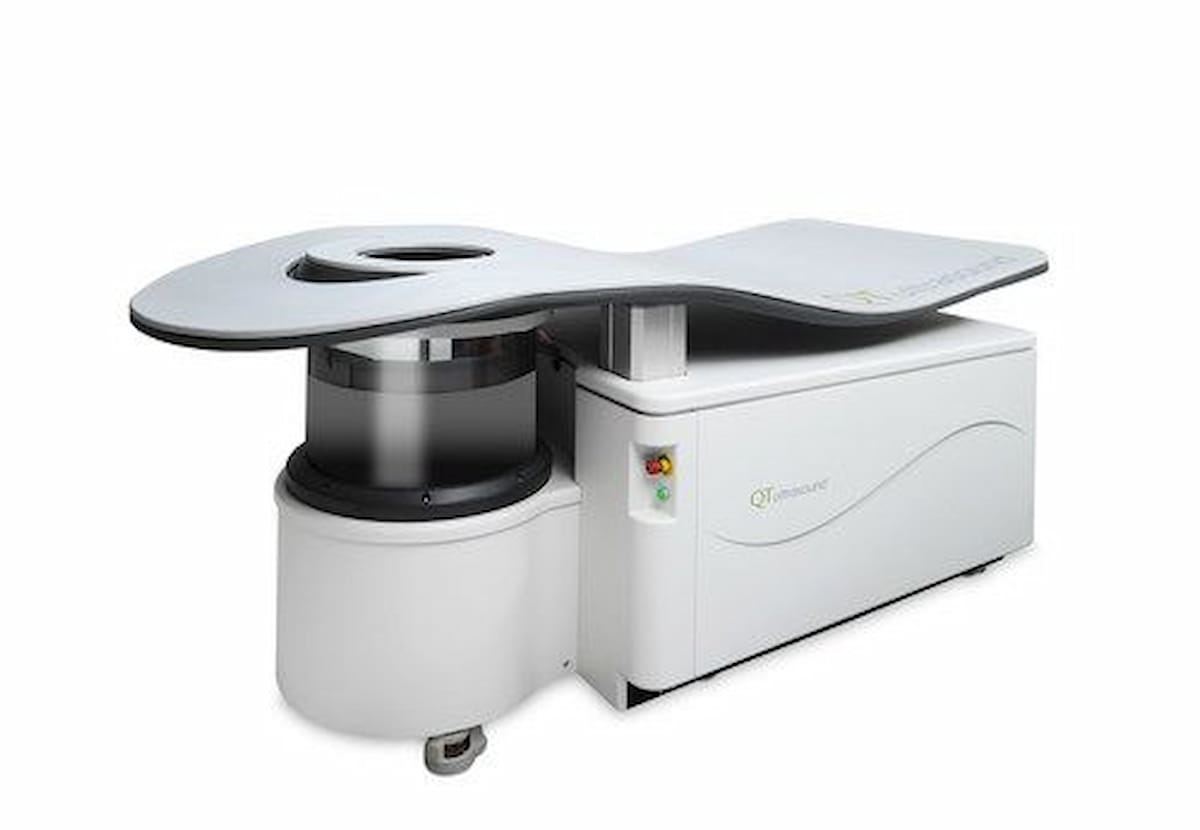
CMS Reverses Decision and Issues New Outpatient CPT Code for Ultrasound-Based QTscan
By Jeff Hall
Advertisement
Latest Videos


Shorts

0:41
Can an Ultrasound-Based NLP Model Bolster Recognition and Follow-Up with Incidental Hepatic Steatosis?
16 days ago
by
Gadi Lalazar, MD

0:47
Should Breast Radiologists Save AI Output In PACS?
2 months ago
by
Wendie Berg, MD, PhD
0:39
A 'Wake-Up Call' for BI-RADS 3 Audits
2 months ago
by
Stamatia Destounis, MD, FACR
0:42
The Advantages of Automated Breast Ultrasound: What New Multicenter Research Reveals
4 months ago
by
Manisha Bahl, MD

0:45
Emphasizing the Evidence on Supplemental Imaging in Women with Dense Breasts
7 months ago
by
Wendie Berg, MD, PhD
0:42
Can Breast Ultrasound AI Help Reduce Benign Biopsies?
7 months ago
by
Manisha Bahl, MD

0:57
Can AI Improve Efficiency with Reporting for Echocardiography Assessments?
7 months ago
by
Lior Fisher, MD

0:52
Where Things Stand with the Find It Early Act
10 months ago
by
Amy Patel, MD
Podcasts
















Advertisement
More News
Catch up on a variety of FDA news in radiology from the past week.
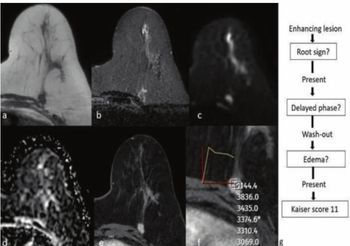
A Kaiser score > 5 with breast MRI demonstrated a 97 percent sensitivity and 87.9 percent specificity for predicting malignancy in patients with BI-RADS 0 or 4 presentations on mammography and breast ultrasound, according to a new study.
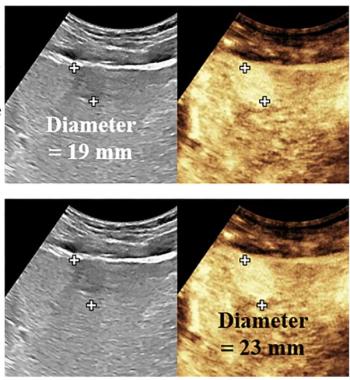
For patients with hepatocellular carcinoma (HCC), perfusion beyond tumor margin on contrast-enhanced ultrasound that exceeds gray-scale ultrasound tumor measurement by 5 mm is associated with a 76 percent higher risk of worse recurrence-free survival, according to newly published research.
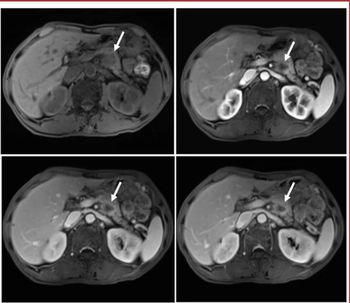
Magnetic resonance imaging offered a 29 percent higher sensitivity than CT for differentiating liver metastases, but CT provided 12 percent higher sensitivity than MRI for assessing vascular invasion, according to a new 40-study meta-analysis.

Catch up on the most well-viewed video interviews from Diagnostic Imaging in September 2026.
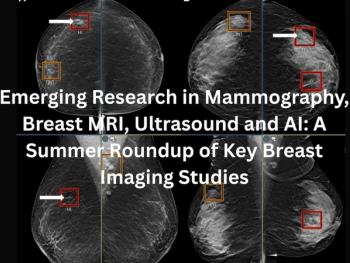
This summer's breast imaging research spanned digital breast tomosynthesis (DBT) efficiency gains, AI models that flag cancer risk years before diagnosis, a cautionary study on automation bias, and advances in ultrasound, MRI, and contrast-enhanced mammography (CEM). Here is a look back at the most well-viewed breast imaging content of the summer.
Catch up on the top AI-related news and research in radiology over the past month.
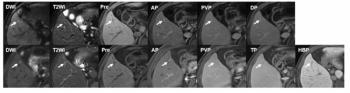
New research revealed that risk-stratified MRI surveillance in patients with cirrhosis led to over a 10 percent increase in early detection and over a 44 percent decrease in surveillance exams in comparison to reported results with semiannual ultrasound monitoring.
Catch up on the top radiology content of the past week.
Catch up on the latest episodes of our Breast Imaging in Focus series with Manisha Bahl, MD, MPH, FSBI, discussing research on a variety of topics including breast arterial calcification on mammograms, automated breast ultrasound, AI and GLP-1 receptor agonists.
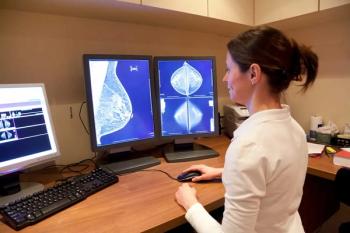
In a recently published review of the BI-RADS v2025 manual, leading breast radiologists offered pertinent insights on key changes for reporting of mammogram, breast ultrasound and breast MRI interpretation and assessment.
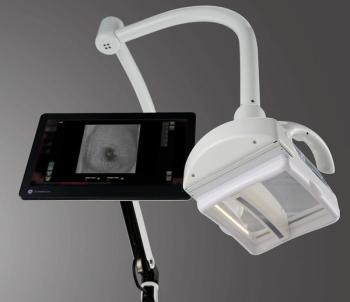
The AI tools for the newly launched Invenia ABUS Prime ultrasound platform reportedly facilitate a 40 percent increase in scan speed and up to a 93 percent sensitivity rate for lesion detection in women with dense breasts.
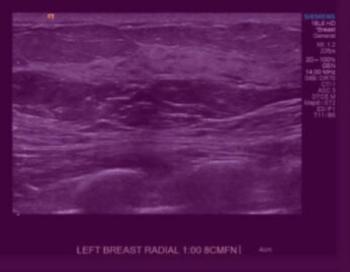
Combining automated lesion detection and characterization, the DeepHealth Breast Ultrasound software reportedly offers greater than 98 percent sensitivity for localizing breast lesions and reduces interpretation time for radiologists by 37 percent.
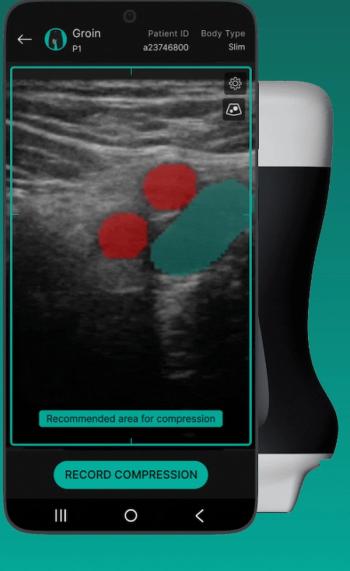
Utilization of the ThinkSono Guidance software app by non-ultrasound trained clinicians on point-of-care ultrasound devices reportedly facilitated diagnostic image quality in 87.1 percent of cases, according to recent research.
Advertisement
Advertisement
Trending on Diagnostic Imaging
1
MRI and PET Imaging Study Suggests Links Between Metabolic Health, Midlife Body Composition and Alzheimer’s Disease
2
Mammography Study Shows Increase of Breast Density with GLP-1 Medications
3
Mammography News: FDA Clears AI Software for Predicting Five-Year Risk from DBT
4
Advances in AI — November 2026
5